


A Practical Guide to Drug Testing Types, Detection Windows, Procedures, and Preparation
What Are Drug Detection Times?
When individuals encounter professional screenings, employment evaluations, or regulatory compliance programs, a frequent question is how long chemical substances remain traceable in the human body. According to authoritative health and toxicology guidelines (such as those published by SAMHSA and leading reference laboratories like Quest Diagnostics), a drug’s psychoactive or intoxicating effects often wear off hours before the parent substance or its metabolic byproducts are fully eliminated.
Understanding typical drug detection windows helps clarify what a professional drug screen evaluates and why results vary from person to person. Rather than relying on fixed or exact timelines, toxicologists examine a wide range of biological, chemical, and analytical variables that govern how long substances persist in biological specimens.
Factors That Affect Drug Detection Windows
No single elimination timeline applies universally. Laboratory testing outcomes and persistence windows are shaped by a complex combination of physiological and chemical variables:
- Substance Properties and Half-Life: Different chemical compounds break down at drastically different rates. Some substances have short biological half-lives and clear rapidly, whereas others (such as lipid-soluble compounds) take much longer to process.
- Frequency, Dosage, and History of Use: Occasional or single-instance use is eliminated much faster than chronic, heavy, or long-term consumption patterns, which lead to metabolite accumulation in tissues.
- Metabolism and Physiological Function: Basal metabolic rate, liver enzyme efficiency, and renal (kidney) function dictate how rapidly the body filters, metabolizes, and excretes toxins.
- Specimen Type and Analytical Cutoffs: The biological matrix being tested (urine, oral fluid, blood, or hair) and the laboratory’s established detection thresholds heavily influence whether a substance is reported as positive.
- Route of Administration: How a substance enters the body (oral ingestion, inhalation, intravenous injection, or topical application) affects absorption rates and initial distribution timelines.
Drug Detection Times by Test Type
Different screening modalities evaluate distinct biological specimens, offering unique advantages and analytical scopes:
- Urine Drug Testing: Representing one of the most widely used screening methods in professional settings, urinalysis measures metabolic byproducts excreted by the kidneys. It can provide a detection window spanning several days to weeks depending on substance usage patterns.
-
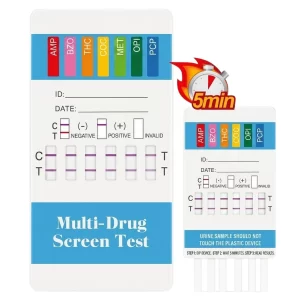
13-Panel Urine Drug Test Dip Card – Clinical Grade (Includes Fentanyl)
$ 11.95 Add to cart -

Macujo Premium Detoxifying Tea – Natural Herbal Body Flush
$ 31.95 Add to cart -
Sale!
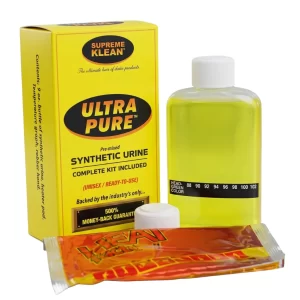
Ultra Pure Synthetic Urine Kit – Laboratory Grade Formula
Original price was: $ 45.00.$ 37.00Current price is: $ 37.00. Add to cart -
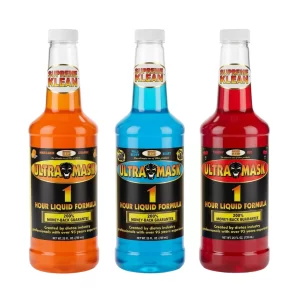
Macujo Premium Detox Drink – Fast-Acting Full Body Cleanse
$ 44.00 Select options This product has multiple variants. The options may be chosen on the product page
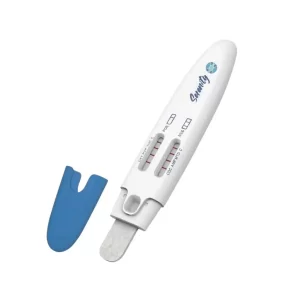
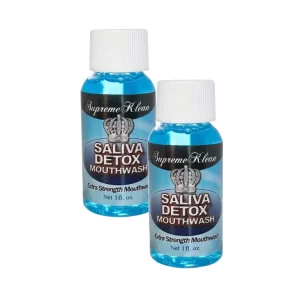
- Oral Fluid (Saliva) Testing: A non-invasive screening method designed to detect recent drug exposure. Oral-fluid testing generally captures usage over a period of several hours to a few days, depending on the substance, dose, frequency, and testing cutoffs. Because collection can be directly observed, it minimizes opportunities for sample substitution.
- Blood Testing: Blood screening measures parent drugs or active metabolites circulating in the bloodstream. Because hepatic clearance is rapid, blood tests have relatively short detection windows (typically hours). While utilized in clinical or forensic investigations, detecting a substance in blood indicates systemic presence rather than automatically establishing intoxication or impairment.
- Hair Drug Testing: A historical screening method analyzing human hair shaft specimens. Systemic metabolites become incorporated into the growing hair protein matrix. A standard head-hair sample provides information over roughly the previous 90 days, though exact windows vary based on hair length and laboratory protocols.
-
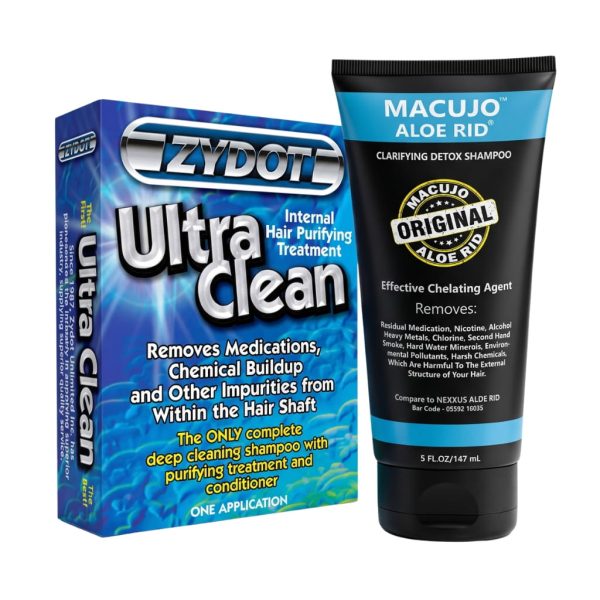
5oz Macujo Aloe Rid & Zydot Ultra Clean Shampoo Bundle
$ 125.00 Add to cart -
5oz. Macujo Aloe Rid Old Formula Shampoo
$ 100.00 Add to cart -
Sale!
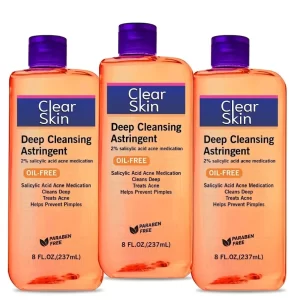
3-Pack Deep Cleansing Astringent (2% Salicylic Acid) – Macujo Method Essential
Original price was: $ 40.00.$ 30.00Current price is: $ 30.00. Add to cart -
Sale!
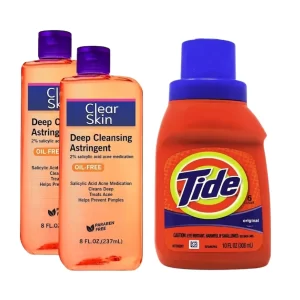
Clean & Clear Astringent & Liquid Detergent Pack (International Shipping)
Original price was: $ 50.00.$ 45.00Current price is: $ 45.00. Add to cart
Drug Detection Times by Substance
The following matrix outlines general educational detection ranges across four primary testing modalities. These figures represent approximate estimates rather than guaranteed timelines.
| Substance | Urine Test | Oral Fluid Test | Blood Test | Hair Drug Test |
| Cannabis (THC) | Several days; longer for chronic use | Hours to a few days | Usually hours to a few days | Approximately 3 months* |
| Cocaine | Usually several days | Hours to a few days | Usually hours to a few days | Approximately 3 months* |
| Amphetamine / Meth | Usually several days | Hours to a few days | Usually hours to a few days | Approximately 3 months* |
| Opioids (Heroin/Morphine) | Usually several days | Hours to a few days | Usually hours to a few days | Approximately 3 months* |
| Benzodiazepines | Several days (some persist longer) | Variable | Generally shorter than urine | Approximately 3 months* |
| Alcohol (Ethanol) | Hours (up to 12–24 hours) | Hours (up to 12–24 hours) | Up to 12 hours | Approximately 3 months* |
| Alcohol Biomarker (EtG) | 3 to 5 days | Variable | Variable | Approximately 3 months* |
| PCP | Several days; longer with repeat use | Hours to a few days | Shorter than urine | Approximately 3 months* |
| MDMA (Ecstasy) | Usually several days | Hours to a few days | Generally short | Approximately 3 months* |
*Note on Hair Testing: Hair drug testing typically reflects a historical window of approximately 90 days using a standard 1.5-inch head hair sample, but it requires a sufficient delay after use for hair to grow past the scalp and cannot detect very recent use (within roughly 7–10 days).
How Hair Drug Testing Works
Hair drug testing evaluates hair shaft specimens rather than live hair follicles. When a substance is consumed, circulating metabolites pass through blood vessels surrounding the hair root and become incorporated into the keratin protein structure of the growing hair shaft. Because scalp hair grows at a relatively consistent average rate (approximately 0.5 inches per month), a standard 1.5-inch sample cut close to the scalp provides an extended historical record spanning roughly 90 days. However, toxicology guidelines emphasize that hair testing has a lag time of roughly one to two weeks before newly ingested substances grow out far enough above the scalp to be collected.
What to Expect During a Drug Test
Professional drug screening follows rigorous chain-of-custody protocols to maintain absolute specimen integrity, confidentiality, and scientific accuracy. Standard testing procedures typically involve:
- Specimen Collection & Chain of Custody: Donors provide a sample under secure, standardized collection conditions. The specimen is immediately sealed, labeled, and tracked to prevent tampering or mix-ups.
- Initial Immunoassay Screening: Laboratories first run rapid immunoassay tests to screen for presumptive negatives or positives. Any presumptive positive result is subject to mandatory confirmation testing.
- Confirmatory Testing (GC-MS / LC-MS/MS): Definitive analysis is performed using advanced instrumentation such as Gas Chromatography-Mass Spectrometry (GC-MS) or Liquid Chromatography-Tandem Mass Spectrometry (LC-MS/MS) to identify and quantify specific chemical analytes with exceptional precision.
Frequently Asked Questions
Q: Can prescription medications affect drug test results?
A: Yes. Certain prescription medications—including opioids, amphetamine derivatives, or benzodiazepines—can yield initial positive immunoassay results. Certified Medical Review Officers (MROs) review prescriptions and verify legitimate medical authorizations before final reporting.
Q: What is the difference between an immunoassay and a confirmation test?
A: An immunoassay is a preliminary screening assay used to detect broad classes of drugs quickly. Confirmatory testing (such as GC-MS or LC-MS/MS) is a rigorous chemical analysis that isolates and verifies exact molecular compounds.
Q: Does a positive drug test prove impairment?
A: Not necessarily. Detection assays identify the presence of parent drugs or metabolites in biological specimens, but detection alone does not automatically correlate with psychological or physical impairment at the time of testing.