

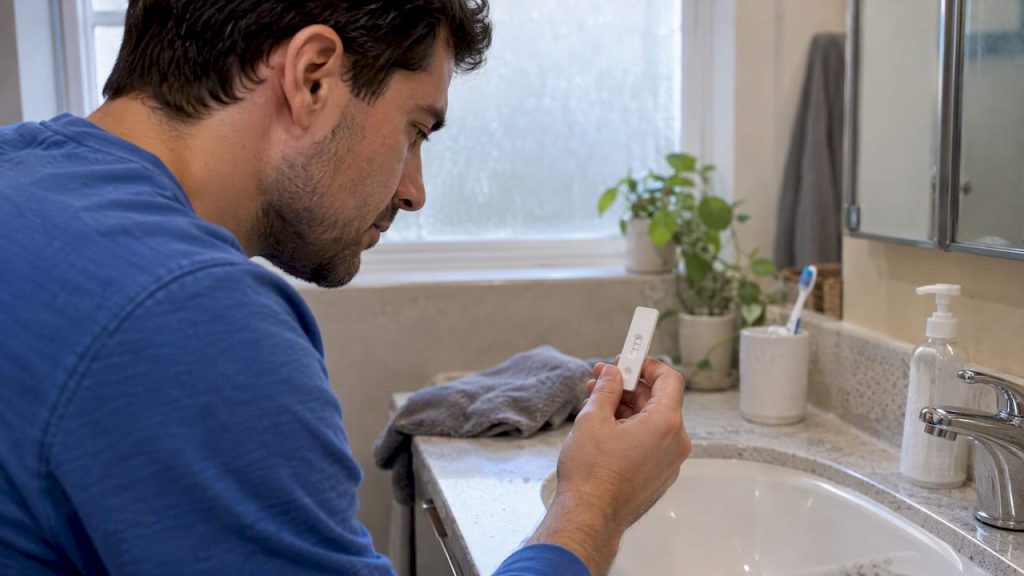
On the most common home and workplace urine strips, a faint line in the test region (T) next to a visible control line © is a negative result. A line is a line, however light it looks. What matters is whether the line is there at all, not how dark it is. The rest of this guide shows you how to read each layout, why lines come out faint, when to retest, and why a urine strip tells you nothing about a hair follicle test.
TL;DR
- On a standard urine strip, a visible control line plus any colored test line, even a faint one, is a negative screen for that drug.
- No line in the test region with a control line present is a presumptive positive. No control line means the test is invalid and you repeat it with a new device.
- Line darkness does not measure how much THC is in your system, and a home strip does not predict what an employer’s lab will report.
- A urine strip says nothing about hair. If a hair follicle test is coming, the preparation is a different job with a much longer timeline.
- Always check your kit’s own insert, because layouts and read times differ between brands.
Table of Contents
- How to read the lines on a urine drug test
- Why the line is faint
- Is a really faint line still positive?
- What a faint line cannot tell you
- What to do after you see a faint line
- A faint line on urine is not a hair test
- Preparing for a hair follicle test
- Where Passusa fits in
- Other tests, other rules
- Our perspective
- FAQ
- Sources
How to read the lines on a urine drug test
Most rapid urine tests are lateral-flow immunoassays. They use a competitive format, which is why the logic feels backwards: a line appearing means the drug was not found above the cutoff.
Here is the standard reading, which Abbott’s toxicology FAQ and the FDA’s home-use test page both describe in line with the table below:
| What you see | Result | What to do |
|---|---|---|
| C line plus a T line (dark or faint) for a drug | Negative for that drug | Record it within the read window |
| C line, no T line for a drug | Presumptive positive | Needs lab confirmation, not a final answer |
| No C line, with or without T lines | Invalid | Discard and retest with a new device |
Two details trip people up. First, each drug on a multi-panel card has its own T line, so you read every drug separately. Second, some products use a different layout, so confirm against the insert that came in your box.
Why the line is faint
A faint T line is not a sign that something went wrong, and it is not a dimmer switch for THC. Abbott and FDA guidance point to ordinary variation from assay chemistry, how concentrated the urine is, timing, storage and user technique. The intensity of the T line is not a quantitative reading of how much drug is present.
In practice, these are the usual reasons:
- Your level is near the cutoff. A very faint line can mean the concentration is close to the device’s threshold. It is still under it, which is why the result is negative.
- Hydration and concentration. Dilute urine can change how a strip develops. Deliberately drinking large amounts of water to force a result is a bad plan, because it can produce a dilute specimen that a lab will not accept. We cover that in our guide on negative dilute drug tests.
- Reading too early or too late. Read only within the manufacturer’s window. Lines can shift after the time limit, and one rapid-test maker notes that results should not be read after 60 minutes for its devices. Your kit may specify something different.
- Storage and expiration. Old or badly stored strips behave unpredictably. Check the date before you dip.
- Technique. Dipping past the marked line, a short dip time or a tilted card can all affect how the sample travels along the strip.
Is a really faint line still positive?
No. On the standard competitive format, any visible colored line in the test region alongside a control line is negative. That is the single most common misreading, and it works in the opposite direction from what people expect.
Negative does not mean zero THC, though. It means the metabolite concentration is below that device’s stated cutoff. Consumer strips do not all share the cutoff used in laboratories. For federal-style urine cannabis testing, the commonly cited figures are 50 ng/mL for the screen and 15 ng/mL for confirmation, and you cannot work out where you sit against those numbers from the shade of a line. Our explainer on SAMHSA cutoff levels goes through what those thresholds mean for a test taker.
What a faint line cannot tell you
It cannot tell you whether you will pass an employer’s test. Clinical toxicologists writing in Mayo Clinic Proceedings explain that point-of-care immunoassays can be hard to interpret when color is faint, and that initial results are presumptive until confirmed by GC-MS or LC-MS/MS. If you want to know how that confirmation works, read our page on the GC/MS drug test.
It also cannot tell you when you last used, how much, or whether you are impaired. The American College of Medical Toxicology states that a urine THC-metabolite result cannot establish impairment, timing, dose or route. And because people metabolize THC at very different rates, frequent and occasional users should not borrow each other’s timelines. A faint line today is not a promise about next week.
What to do after you see a faint line
If you are a job seeker or a worker facing a test, run through this in order:
- Check the control line. No C line means invalid. Do not interpret anything else on that card.
- Check the clock. Was the result read inside the instructed window? If you are unsure, the reading does not count.
- Check the expiration date and storage. If the kit is expired, repeat with a fresh one.
- Photograph the result inside the window. A clear photo helps if you want to compare with a second test.
- Retest if unclear. Use a new, unexpired device and follow the insert exactly.
- Treat any presumptive positive as preliminary. FDA describes home results as preliminary, and a positive needs laboratory confirmation. For a workplace test, a medical review process normally follows. NIDA’s overview of drug testing notes that employers can use urine, oral fluid, hair, blood, sweat or nails, so know which specimen your employer actually uses.
- Disclose legitimate prescriptions to the testing process rather than hoping nobody asks.
If you want a second reading from a different device, a 13-panel urine dip card lets you screen several drugs at once and includes fentanyl.
A faint line on urine is not a hair test
This is the point that surprises most people. A urine strip looks at what your body has recently passed. A hair follicle test looks back much further. Our guides on the 90 day hair window and on pre-employment drug test laws explain why. A clean-looking urine strip should not make you relax about an upcoming hair test.
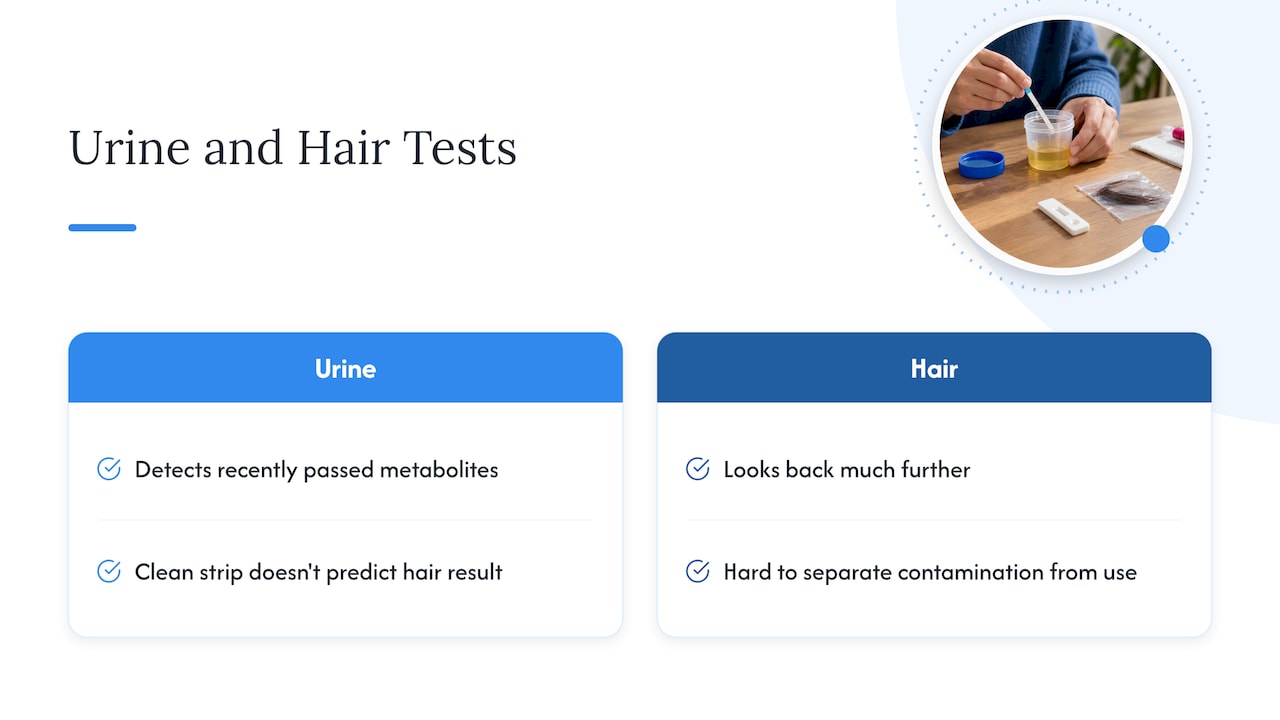
Hair is also harder to interpret. A federal health-agency review of hair analysis, prepared for ATSDR, discusses the difficulty of separating external contamination from drug that was taken in. That is the reason hair cleansing is a legitimate topic of its own, not a footnote to urine testing.
Preparing for a hair follicle test
Here is where we focus our work. Hair is the specimen job seekers worry about most, because you cannot flush it with water or stop using for a week and expect a different picture. Preparation is a routine, not a single event.
Our approach follows the Macujo Method, a combination of products and step-by-step instructions built around the type of test you are facing. For hair, the cleansing step is the Macujo Aloe Rid Shampoo. We use it to cleanse the hair shaft of residue before a test, as part of a wash schedule that our calculator and video instructions help you plan around your test date.
We want to be straight about limits, because you will find plenty of sellers who are not:
- No shampoo, drink or method can be promised to defeat every lab, and the research we rely on does not support that claim. Anyone who promises a guaranteed result for every person is selling you certainty that does not exist.
- The safest base of any plan is to stop cannabis exposure now and follow the test’s exact instructions.
- The more time you have before the test, the more choices you have. Last-minute panic is when people make the worst decisions.
- Hair length, hair type, how often you use and how recently all change the picture, which is why one generic routine does not fit everyone.
If your hair test is the real worry, start with our THC hair detox plan, then bring your specifics to a consultation.
Where Passusa fits in
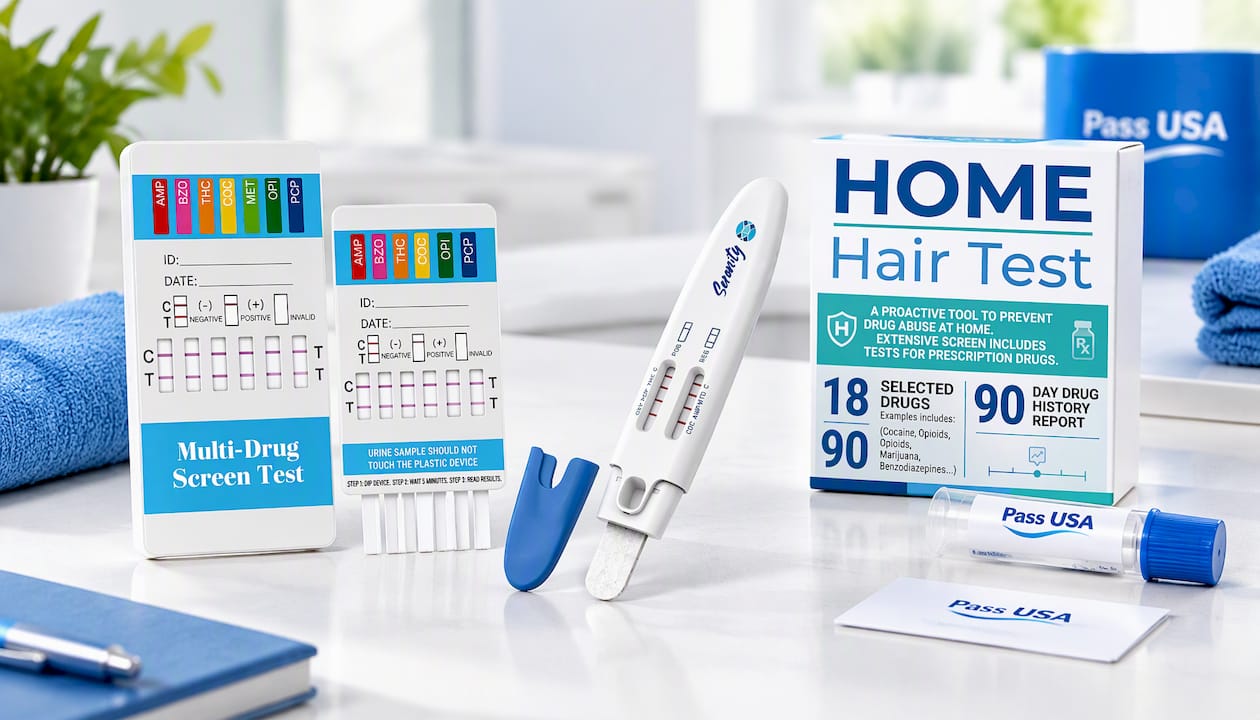
We sell products for hair, urine and saliva tests, plus personalized support. Our site offers hair, urine and saliva test products, and if you only want to know where you stand first, there is an at-home hair follicle drug test kit and a 12-panel oral fluid saliva test.
If your situation is not textbook, a private consultation with Mike Macujo is the better route. Our stated commitment is unlimited consultations until you pass your test, and the consultation is where we match a plan to your test type, hair length and timeline.
Other tests, other rules
Since most faint-line questions start with urine, here is how the other specimens differ in brief.
Urine
Urine testing is the most common workplace method, and labs also check whether the sample itself looks valid, including temperature and dilution. See our breakdown of how labs judge urine test validity before test day. Synthetic urine and other workarounds carry their own risk of invalidation, so read that page first and think hard about it.
Saliva
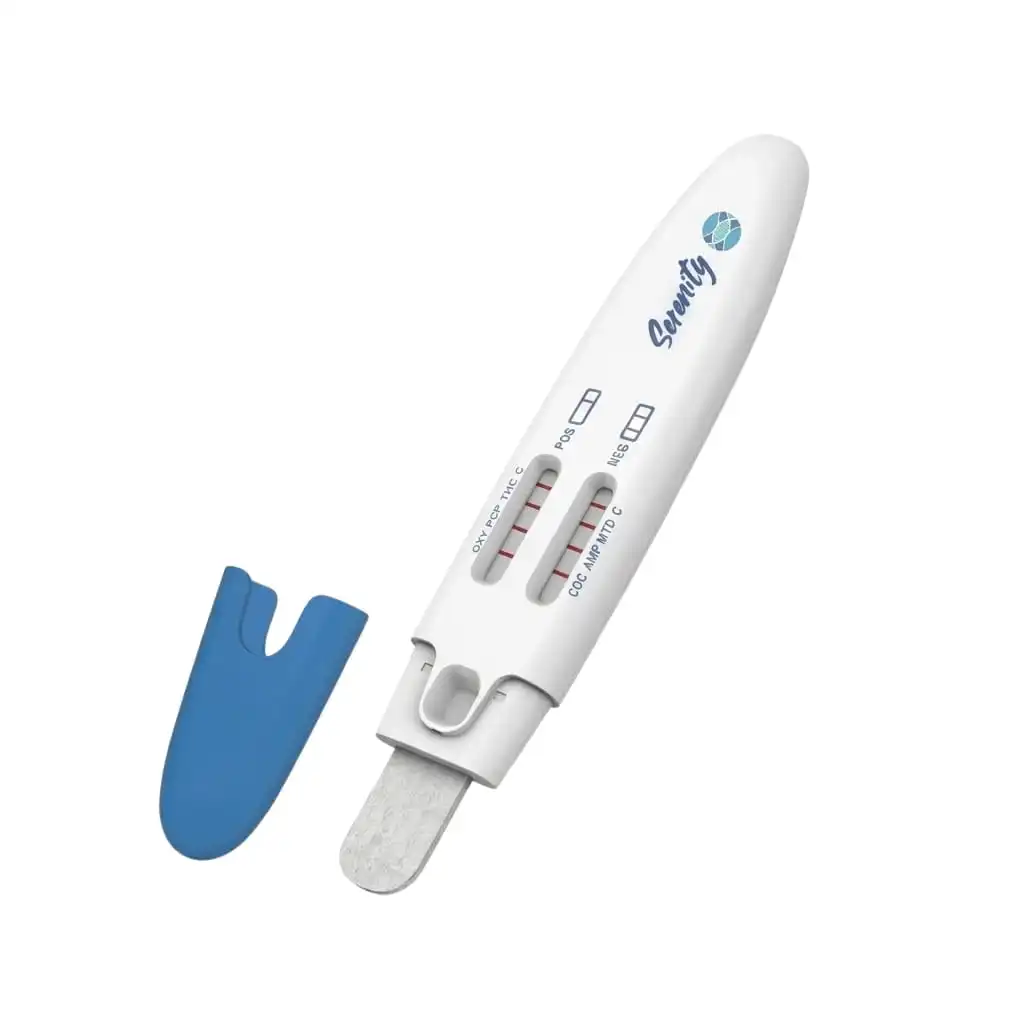
Oral fluid tests have a much shorter look-back than hair, and they are typically used when employers care about recent use. Read the swab or pen instructions closely, including the minimum time since eating, drinking or smoking. Our product guidance covers mouth preparation for saliva tests.
Vaping and random testing
Vaping THC does not create a separate rule: the same metabolites are tested. Our pages on vape THC detection and random drug testing at work cover those situations, including what short notice means for your options.
Federal versus private employers
Federal programs and private employers are not the same thing. SAMHSA materials state that marijuana remains a Schedule I substance under federal law and that federal applicants and employees are tested accordingly, while private-employer policies and state protections can differ. Check your state and your employer’s written policy rather than assuming. Our marijuana drug testing information page is a good starting point.
Our perspective
We hear about faint lines every week, and the pattern is always the same: someone is frightened by a result that is actually fine, or relaxed about a result that does not apply to their real test. Both mistakes come from the same place, which is treating a screening strip as a verdict.
Our view is simple. Learn the rule (a line is a line), know which specimen your employer will use, and plan for that specimen, not for the one you happened to test at home. For hair, that means starting early, being methodical, and getting guidance that fits your hair and your history. That is why we built the Macujo Method around test type instead of one generic product, and why we offer consultations rather than leaving you alone with a box.
— Detox Experts
FAQ
Why is my drug test line faint?
Faint lines come from normal variation in the test chemistry, how concentrated your urine is, read timing, storage and technique. On a standard strip, a faint T line is not a measure of how much drug you have. Check the insert, the expiration date and the read window.
Is a really faint line still positive?
Not on the common two-line negative format. A visible T line with a C line is negative, even when it is barely there. A positive shows as a control line with no test line, and it still needs lab confirmation.
Does a faint line on a THC test mean I will pass my employer’s test?
No. Your kit’s cutoff may differ from the lab’s, and home results are preliminary. A faint line means you tested below that device’s threshold, nothing more. Hair and oral fluid tests also work on completely different timelines.
Should I retest if the line is unclear?
Yes, with a new, unexpired device, following the insert exactly and reading inside the window. If the control line is missing, the test is invalid and must be repeated. Do not retest on the same card.
Does a negative urine strip help with a hair follicle test?
No. Urine and hair look back over very different periods, so a urine result says little about hair. If a hair test is ahead, start your preparation plan early and ask for guidance on your own situation.
Sources
- Abbott Toxicology: Frequently Asked Questions
- FDA: Drugs of Abuse Home Use Test
- ACMT Position Statement: Interpretation of Urine for THC Metabolites
- Clinical Interpretation of Urine Drug Tests, Mayo Clinic Proceedings
- NIDA: Drug Testing
- SAMHSA: Synthetic Cannabis-Related Products Memo
- ATSDR: Hair Analysis
- Advanced Biotech: Rapid Point of Care FAQ