


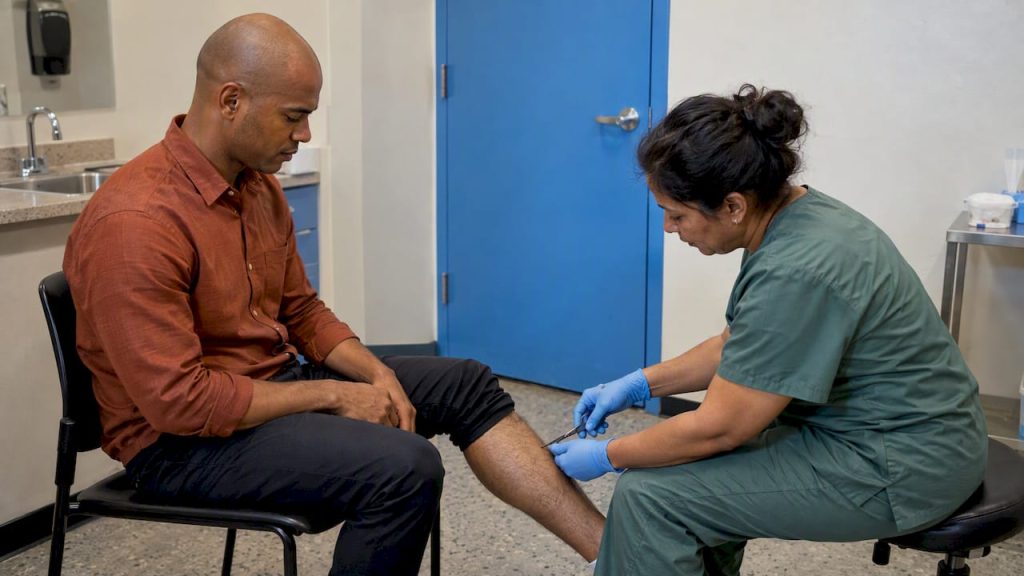
Shaving your head does not get you out of a hair drug test. If your scalp hair is too short, the collector takes hair from somewhere else on your body, and the lab tests that instead. What you can control is how you prepare the hair you have, and that is where a proper wash routine comes in.
This guide explains what collectors actually do when a donor shows up with a shaved head, why body hair can be a worse position to be in than scalp hair, and how to prepare if you have a hair follicle test coming up.
TL;DR
- A shaved head does not cancel a hair test. When scalp hair is absent or under 1/2 inch, collectors may take chest, underarm, leg, or facial hair, in that order of preference.
- A standard test uses 1.5 inches of hair cut at the scalp and looks back about 90 days. Body hair has no reliably defined window.
- Some employers give applicants time to grow hair, but you should never count on it.
- If you have hair to work with, the realistic move is a structured wash routine started early, not shaving.
- We can build your plan with you through a private consultation and our Macujo Method, including the Macujo Aloe Rid Shampoo.
Table of Contents
- What happens when you show up with a shaved head
- How hair tests work, and why the sample matters
- Body hair is not a loophole
- What if the employer sees you have no hair?
- Do bleaching, dyeing, or cutting change the result?
- What actually helps if you have hair to work with
- A closer look at the Macujo Aloe Rid Shampoo
- Perspective: why shaving is the wrong instinct
- Get a plan built for your timeline
- What about urine and saliva tests?
- Common mistakes with a shaved head and hair tests
- FAQ
- Sources
What happens when you show up with a shaved head
People shave before a hair test on the theory that no hair means no sample. Labs have a procedure for exactly this. According to Quest Diagnostics’ hair testing FAQ, if a donor has no head hair or head hair shorter than 1/2 inch, the collector may use chest, underarm, leg, or facial hair, in that order of preference.
The same document advises that head hair should not be mixed with body hair in a single specimen. So the collector picks one source and works with it.
In practice, shaving your head tends to do three things:
- It tells the collector you have something to hide, or at least it draws attention.
- It moves the sample to body hair, which is harder to predict.
- It removes the hair you could have been treating for weeks.
If you are bald or keep a buzz cut as a normal look, none of that is a problem. Collectors see it every day. The point is only that you cannot shave your way out of the test.
How hair tests work, and why the sample matters
A standard hair test analyzes 1.5 inches of hair measured from the root end, which covers roughly 90 days of repeated use, according to the Quest FAQ. The sample is the hair itself, cut as close to the scalp as possible, not the follicle. People say “hair follicle test” but the lab is not pulling follicles.
Labcorp describes the same process: about 100 mg of hair, which is 90 to 120 strands, cut at the scalp, with a 1.5-inch cut reflecting use up to 90 days before the test.
Two practical consequences follow:
- The part of the hair closest to your scalp is the part that matters most for recent use. Cutting short does not erase it, because the collector cuts at the skin anyway.
- Length beyond 1.5 inches is usually not needed. Maryland, for example, limits employers using hair for pre-employment testing to specimens no longer than 1.5 inches measured from the body.
If you have a few weeks of growth and a clipper-short style, you may still have enough for the collector to take. Anything over 1/2 inch can qualify as head hair under the Quest procedure above.
Body hair is not a loophole
When scalp hair is not available, body hair steps in. The difference is in how it is read. Scalp hair grows at a fairly steady, well-studied rate, so labs can map a length to a time period. Body hair is different. Quest states that the growth rate and drug incorporation in body hair are not as extensively studied as head hair, and because body hair stops growing at a certain length, the window of detection cannot be reliably determined.
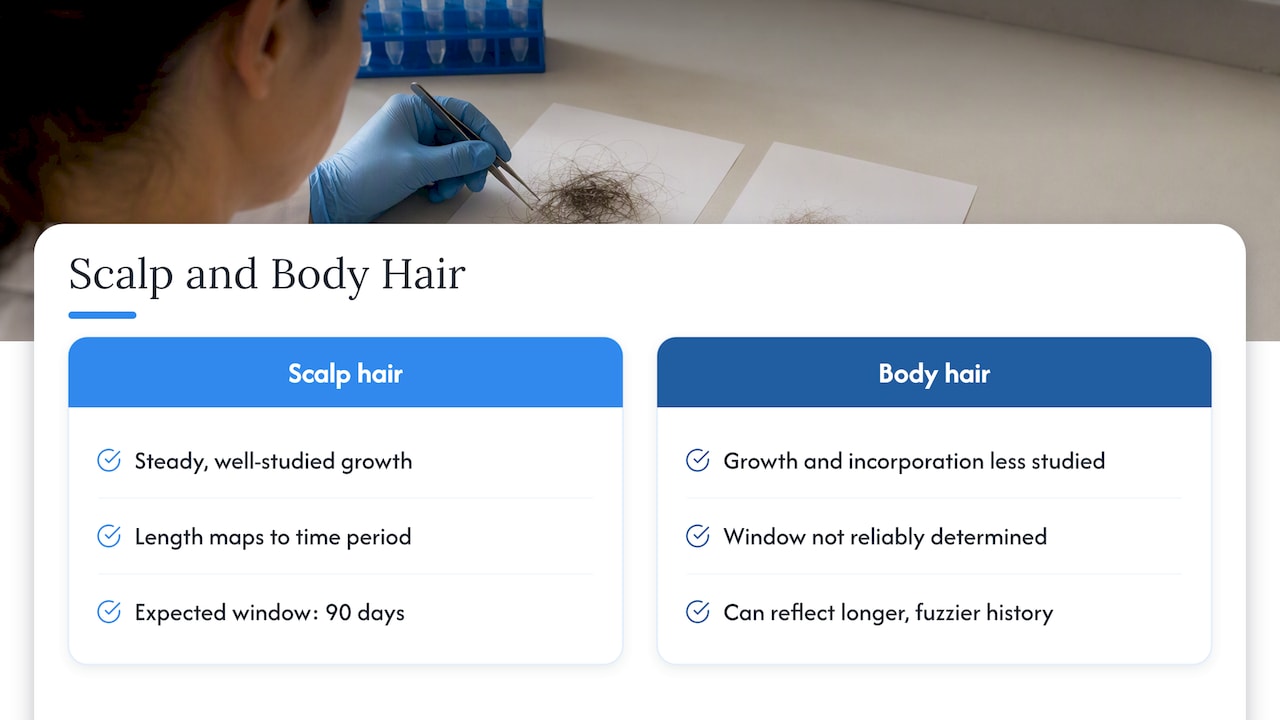
What that means for you: body hair can reflect a longer and fuzzier history than the 90 days people expect from scalp hair. A shaved head can leave you with a less predictable test, not a safer one. We break down how labs read it in our guide to body hair drug tests, sample site, and the 12 month window.
There is also a practical problem. Body hair is harder to treat. Chest and leg hair are short, and you are not going to wash and condition underarm hair the way you would a full head of hair. That is one more reason shaving is a poor trade.
What if the employer sees you have no hair?
Employer policies differ, and the rules are the employer’s to set. A published example: the CRST non-DOT hair testing policy from 2022 allows applicants with insufficient hair to be given 45 days to grow the required amount before being denied. The same policy exempts applicants whose medical condition prevents hair growth, provided a medical provider documents it.
That is one company’s policy, not a rule everyone follows. If you have a genuine medical reason for lacking hair, ask the employer’s HR or the testing site what documentation they accept before test day. If you simply shaved, expect body hair collection, not a pass.
Do bleaching, dyeing, or cutting change the result?
Many people assume a chemical treatment will wipe out the evidence. The lab data is not encouraging for that idea. Quest reports that when tested under worst-case conditions, bleaching or dyeing typically did not interfere with results or change the reporting category, such as moving from positive to negative.
The academic picture is more nuanced. A 2025 narrative review notes that dyes, bleach, and similar treatments may strip some drugs from hair while making it more open to outside contamination. That is a reason not to treat bleach as a plan: the effect is uncertain, it damages hair, and it can make a lab look closer. The same review also notes that hair color matters, since melanin correlates with drug binding and darker hair may show higher concentrations than lighter hair.
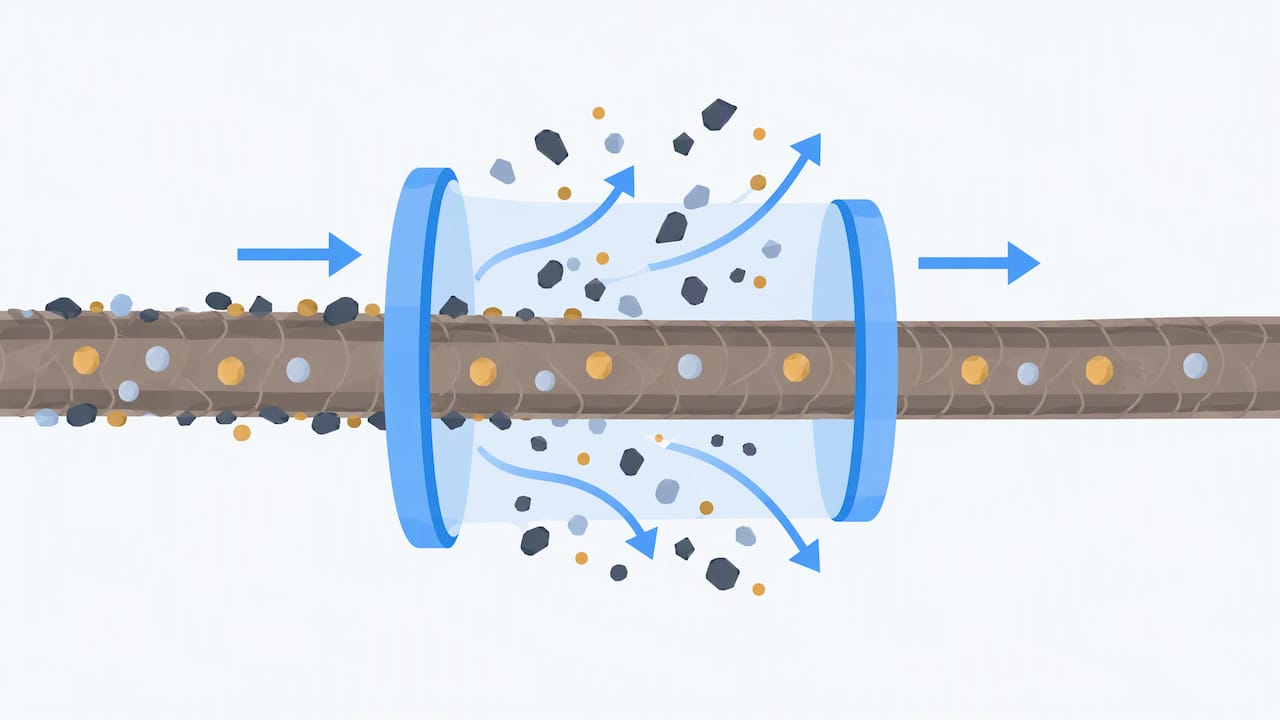
Labs also expect treated hair. They run decontamination steps on every sample. The review’s authors describe hair as a challenging matrix precisely because of those steps and the need to separate outside contamination from drugs absorbed from the body.
What actually helps if you have hair to work with
Let us be straight about the landscape. Quest says it has not found adulterants capable of beating its hair tests, and collection is directly observed. No wash, tea, or drink is a guarantee, and anyone promising one is selling you a story. Drinks in particular do little for hair: the metabolites your body deposits in hair do not get flushed out the way urine metabolites do, which is why we wrote why detox drinks alone don’t work on hair tests.
What we do believe in is a structured cleansing routine on the hair you have, started well ahead of the test, and used consistently. That means:
- Starting early. Days matter. A routine you begin a week out is a different proposition from one you begin the night before. Our 10 day hair first detox plan lays out a timeline using the Macujo Method.
- Keeping your hair intact. Do not shave, and do not cut it down to the minimum unless that is already your normal style. A sudden change in look before a test is noticeable.
- Using a purpose-made shampoo. This is where the Macujo Aloe Rid Shampoo fits in. It is built to cleanse the hair shaft of buildup and toxins as part of a routine, and our guide to the best hair drug test shampoo explains how we use it.
- Avoiding things that add risk. Environmental exposure, like secondhand smoke, can contaminate hair. Keep your distance from smoke in the weeks before the test.
- Being honest about your timeline. If your last use was recent and your test is soon, talk to someone before you spend money. That is what the consultation is for.
A closer look at the Macujo Aloe Rid Shampoo
The Macujo Aloe Rid Shampoo is the core of our hair preparation approach. It is not a one-wash miracle and we do not present it as one. It is used repeatedly as part of a routine that follows the Macujo Method: a defined series of washes with specific timing, designed to cleanse your hair of toxins before the sample is cut.
How it is used matters as much as what it is. Time on the hair, frequency, and what you do between washes all change the outcome. That is why we pair product with instructions and, for those who want it, direct help. Our wash calculator and step-by-step videos take the guesswork out, and you can compare shampoo types in our guide to the best shampoo for a drug test.
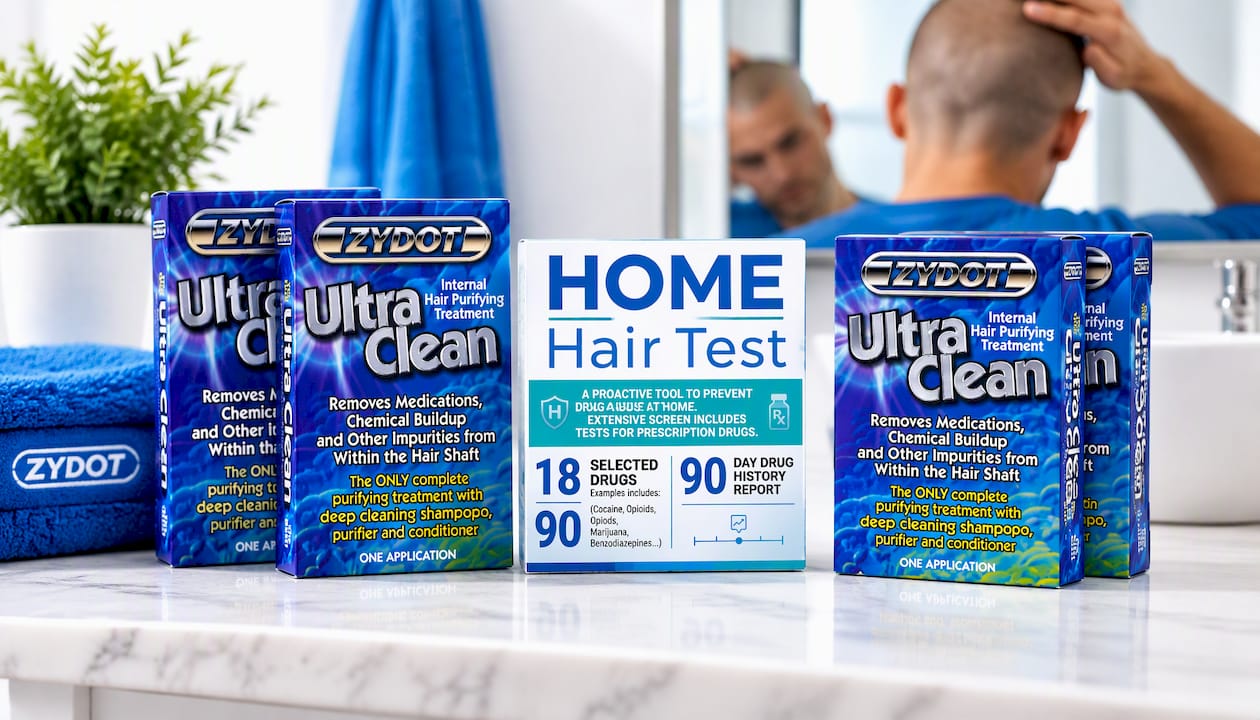
We also have an alternative option, the Zydot Ultra Clean Shampoo, and a 2-pack version for longer routines. If you are not sure which fits your hair length and timeline, ask before you buy.
Perspective: why shaving is the wrong instinct
We hear the shaved head question every week, and it usually comes from someone who is scared and short on time. Over 20 years of helping people through drug screenings, our view has stayed the same. Shaving feels like action, but it removes your best tool, which is hair you can treat. It also invites a body hair collection that is harder to predict and harder to prepare for.
The people who do best start early, keep their normal appearance, follow a defined routine, and ask questions when something does not fit their situation. The Macujo Method is built on that: structure, timing, and support until the test is behind you. If you are thinking about THC specifically, our page on the hair follicle drug test and marijuana covers what we see most.
— Detox Experts
Get a plan built for your timeline
If your test is coming up, you have two sensible starting points. For hair, start with the Macujo Aloe Rid Shampoo and the Macujo Method on our hair test products page. If your situation is unusual, such as short hair, a shaved head, a very close test date, or mixed test types, book a private consultation with Mike Macujo and we will build the routine around your facts. Our approach is to support you with unlimited consultations until you pass your test.
Not sure what is in your system right now? Our at-home hair follicle test kit lets you check privately before you commit to a plan.
What about urine and saliva tests?
A shaved head is a hair test question, but some employers use more than one method, and the rest of your plan should match the test you are given.
- Urine tests have a much shorter lookback than hair. A hair test generally offers a longer detection window than urine, and it is a different kind of preparation: timing, hydration, and sample integrity rather than washing. We carry urine test products and synthetic urine kits for those situations.
- Saliva tests have a short window as well, and a detox mouthwash is the usual tool.
Ask the employer or the collection site which test you will take. If it is a hair test, everything above applies. If it is not, our consultation can point you to the right product category.
Common mistakes with a shaved head and hair tests
Shaving the night before. It does not remove the test. It moves it to your body.
Shaving everywhere. Some people shave chest, legs, and head. If there is no hair anywhere, the collector needs a sample, and you may be asked to reschedule or be treated as a failure to provide. Employer policies vary, so check yours.
Trusting a single product. Without a routine and a timeline, one bottle does very little. Our guide on why natural detox fails and a product protocol helps goes through the reasoning.
Waiting. Every day you have before the test is a day you can use. Start now.
For a fuller step-by-step, see our detailed guide to passing a hair follicle drug test.
FAQ
Can I shave my head to avoid a hair drug test?
No. If scalp hair is absent or shorter than 1/2 inch, the collector can take body hair instead, starting with the chest. Shaving only changes where the sample comes from, and body hair is harder to predict.
How much hair does a lab need?
Labcorp says about 100 mg, which is 90 to 120 strands, cut at the scalp. Quest tests 1.5 inches measured from the root end for a roughly 90 day window.
Will bleaching or dyeing my hair change the result?
Probably not in the way you hope. Quest reports that in worst-case testing, bleaching and dyeing typically did not change the reporting category. Treatments can also damage your hair and draw attention.
What if I cannot grow hair for medical reasons?
Some employers exempt applicants with documented medical conditions that prevent hair growth. One published policy requires documentation from a medical provider. Ask HR what your employer accepts before test day.
How early should I start preparing?
As early as you can. A routine with repeated washes needs days to run properly. If your test is close, a consultation can tell you whether your timeline is workable and what to do first.
Sources
- Hair testing FAQ, Quest Diagnostics
- Hair Follicle Drug Testing, Labcorp
- Maryland Health-General Section 17-214
- CRST Non-DOT Hair Testing Policy and Procedures
- Modern drug testing in clinical laboratories: a narrative review
- Detecting Fentanyl Use Through Court-Ordered Mandatory Drug Testing, NIJ