


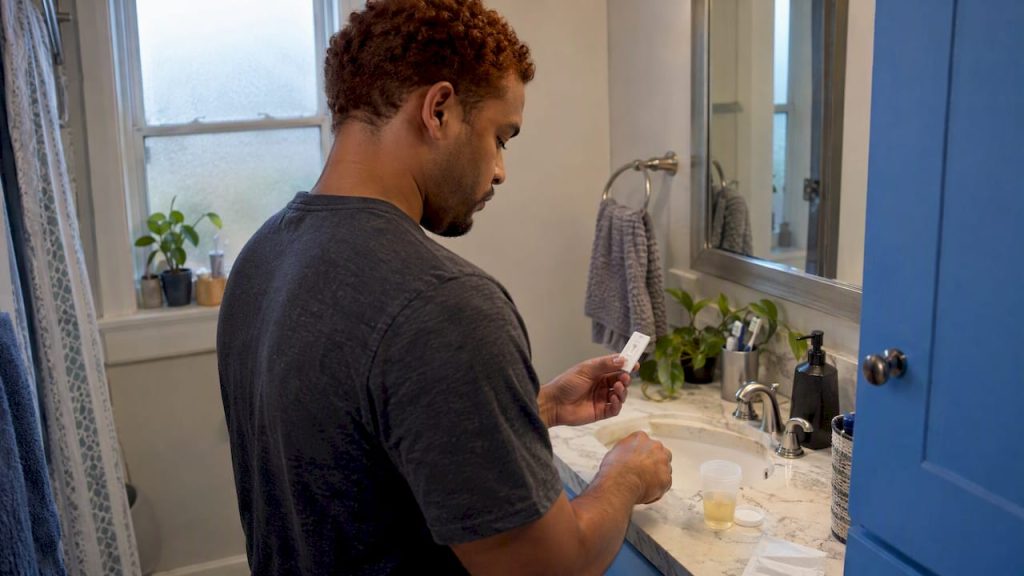
Yes, delta-8 THC can make you fail a standard drug test. Your body breaks it down into a metabolite that closely resembles the one made from regular (delta-9) THC, and routine screens are built to flag that family of compounds. Vanderbilt’s poison control program notes that delta-8 products carry a very high risk of a positive marijuana result. The “it’s hemp, it’s legal” label does not protect you at an employer’s collection site.
This guide covers how delta-8 behaves on urine, hair and saliva tests, why labs often can’t tell it apart from delta-9, and what a realistic preparation plan looks like, with extra attention to hair follicle tests, where most people get caught off guard.
TL;DR
- Delta-8 THC produces a metabolite that standard cannabinoid screens pick up. Treat any delta-8 use as a marijuana risk.
- A “hemp-derived” or “legal” label does not matter to the lab. Most workplace tests do not ask where the THC came from.
- Urine windows run from days to several weeks depending on how often you use. Hair can reflect use for up to 90 days or longer.
- Hair is the hardest test to rush, so the preparation plan should start as early as your timeline allows.
- We help with test-specific plans, the Macujo Method calculator and unlimited consultations until you pass.
Table of Contents
- Why delta-8 shows up on a drug test
- Can a lab tell delta-8 from delta-9?
- Delta-8 on a urine test
- Delta-8 on a hair follicle test
- Delta-8 on a saliva test
- Delta-8 and blood tests
- Does CBD or “hemp” labeling protect you?
- Our perspective: what we tell people who used delta-8
- Get a plan built around your test
- Practical checklist before any test
- FAQ
- Sources
Why delta-8 shows up on a drug test
Delta-8 THC is a close chemical cousin of delta-9 THC, the main intoxicating compound in cannabis. The FDA says delta-8 products have not been evaluated or approved for safe use and that delta-8 is psychoactive and intoxicating. Your body processes it much as it does delta-9, and one of the end products is a carboxylic acid metabolite.
That metabolite is what a urine screen looks for. In a study of three immunoassay platforms, delta-8 THC-COOH cross-reacted at between 87% and 112% at the 50 ng/mL cutoff. In plain terms, the test reacted to the delta-8 metabolite about as strongly as it does to the delta-9 one. If you use a gummy, a vape cartridge or a tincture with delta-8, the first-stage screen cannot tell the difference.
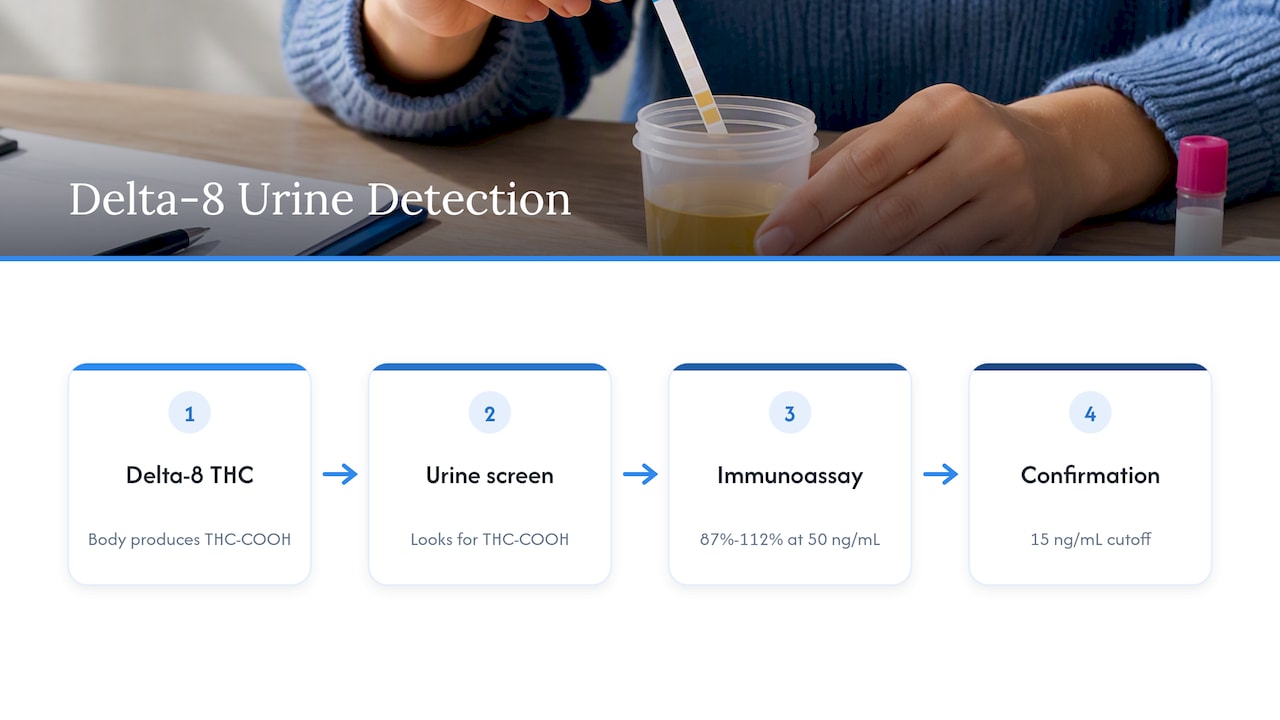
The federal cutoff for a urine screen is 50 ng/mL, with a 15 ng/mL confirmation cutoff. We explain how those numbers work in our guide to SAMHSA cutoff levels.
Can a lab tell delta-8 from delta-9?
Sometimes, but a lot of the time nobody checks. Here is what the research shows.
- Confirmation tests can separate them. The two metabolites have the same mass and most of the same fragments, but a difference in retention time lets LC-MS/MS testing distinguish them.
- Many labs don’t look. According to a drug court professionals fact sheet, if the confirmation doesn’t specifically search for delta-8 metabolites, it won’t find them. The initial positive may then be reported as negative or unconfirmed.
- Products can contain delta-9. The same fact sheet notes that delta-8 products may contain delta-9 THC as an impurity, so confirmation can return a delta-9 positive.
- Interference is possible. A National Laboratory Certification Program presentation found that a delta-8 compound can cause unreportable or false-negative delta-9 results because of chromatographic interference.
- Context is limited. In a pediatric case series, four children tested positive on basic urine screens. Confirmatory testing found a delta-8 metabolite and no delta-9 metabolites, but in-house delta-8 testing wasn’t available, so samples had to be sent out.
The takeaway is that you can’t count on a lab’s blind spot. Whether your sample is flagged, reported as unconfirmed or called a delta-9 positive depends on the lab, the panel and the employer’s policy. A position statement from toxicologists adds that a urine THC metabolite result can’t identify the route or source of exposure, the timing, the dose or any impairment. A medical review officer works with what the lab reports, and “it was delta-8” is rarely an accepted explanation for a workplace result.
Delta-8 on a urine test
Urine is the most common pre-employment and random test. Delta-8 is a likely trigger, and the window depends mostly on how often you use.
| Use pattern | What to expect on urine |
|---|---|
| One-time or rare use | Usually days, but individual results vary |
| A few times a week | Can stretch beyond a week |
| Daily or heavy use | Metabolites may linger for several weeks |
Those ranges are a rule of thumb, not a promise. Published articles disagree: some pages say 12 to 48 hours for occasional use, others say up to 30 days for heavy use. What the peer-reviewed literature does support is that in frequent users, urine metabolites may be detectable for several weeks after the last use. Body fat, metabolism, dose and potency of the product all play a part, and delta-8 products are not standardized, so you often don’t know how much you took.
Dilution is the other factor. The same toxicology position statement notes that if urine is too dilute, for example from drinking excess water, the analyte concentration can fall below the reporting threshold. That is exactly why labs check creatinine and specimen validity. A very pale, very dilute sample can be flagged as invalid, and an invalid sample usually means a recollection under observation. Our guide to how long drugs stay in your system walks through those timelines for other substances too.
If you are facing a urine test soon, the most useful step is to know your cutoff, your timeline and your own pattern of use, then plan around them. Our urine test products and the consultation service are built for this. If you want to check where you stand before the real test, a 13-panel urine dip card gives you a quick private screen.
Delta-8 on a hair follicle test
Hair testing is where delta-8 gets most worrying, because hair keeps a long record and you can’t flush it out with water.
Two points from the research matter here:
- Delta-8 can be measured in hair. A validated method detected delta-8 THC in hair, with a limit of quantitation of 16 pg/mg. That is lab research, but it shows the compound itself is detectable in this matrix.
- The window is long. Hair can show evidence of cannabis use for up to 90 days or longer, depending on hair length. The same review says newly grown hair takes about two weeks to appear above the scalp, so a hair test generally can’t see use from the last couple of weeks.
That second point surprises people. A hair test taken 10 days after your last delta-8 gummy may not reflect that gummy at all, but it can reflect everything from the preceding months. We go deeper on this in why the 90 day window can mislead and in our evidence-based THC hair detox plan.
Most hair tests use about 1.5 inches of head hair cut close to the scalp. If you have no head hair, collectors may take body hair instead, which carries a different, often longer window. Vaping is covered in our page on detection times for vaping THC, which applies to delta-8 vape cartridges as well.
What actually helps before a hair test
We’ll be honest: nothing replaces time, and no product can honestly promise a result for everyone. What preparation can do is address what sits on and in the hair shaft when you walk in. A sensible plan looks like this:
- Stop all use now. Every dose adds to what your hair records.
- Count your days. The more time between your last use and the test, the better your position, and new growth is clean growth.
- Use a hair cleansing routine designed for the test. This is where the Macujo Aloe Rid Shampoo comes in. It is designed to cleanse the hair of toxins before a hair follicle test, and it works best as a step in the full Macujo Method rather than a single wash the night before.
- Follow the schedule, not a shortcut. Our wash calculator and step-by-step video instructions set the number of washes and spacing for your hair type and use history.
- Don’t improvise at the sink. Bleach, dye and harsh home mixes can damage hair and don’t replace a structured routine. A collector can also notice a damaged or oddly treated sample.
If your test is for a commercial driving job, our page on preparing in 7 to 14 days for a DOT hair marijuana test covers that scenario. For court or supervision situations, see probation drug tests and specimen validity.
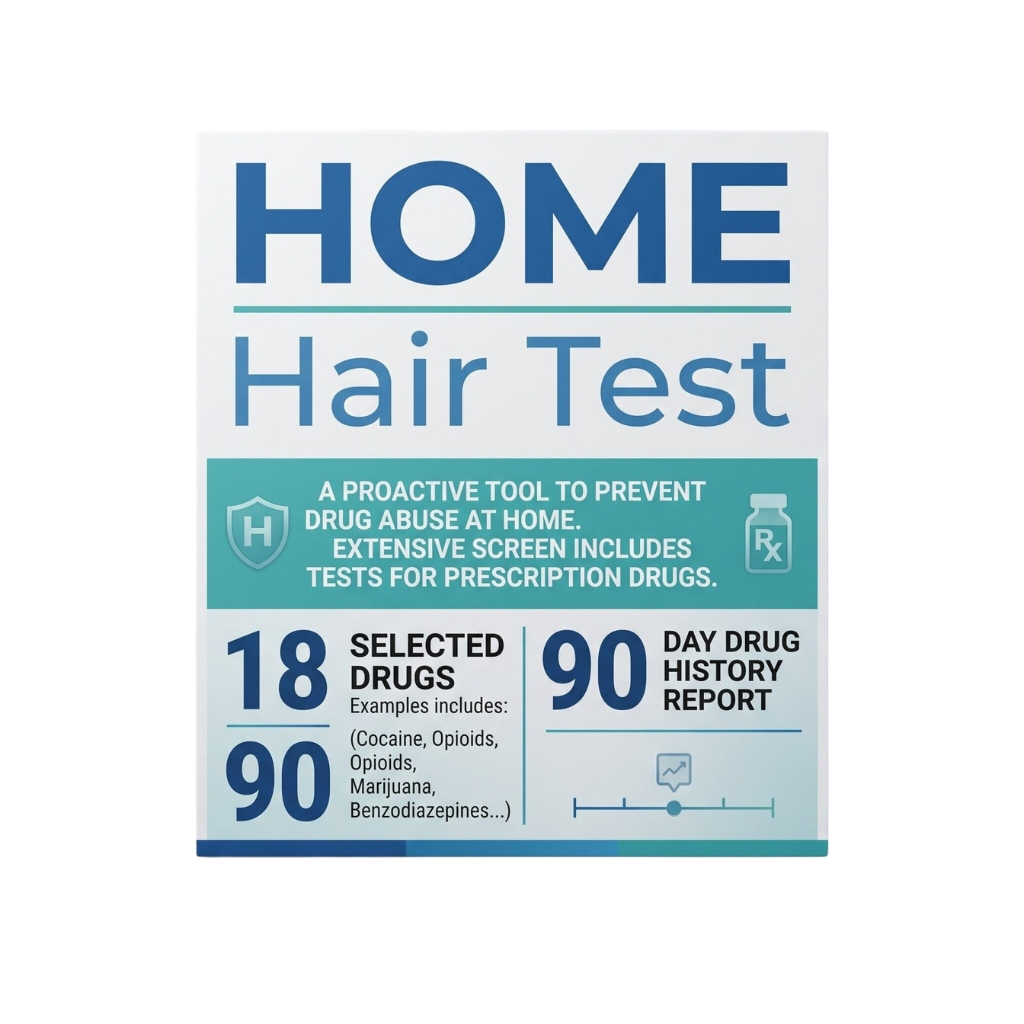
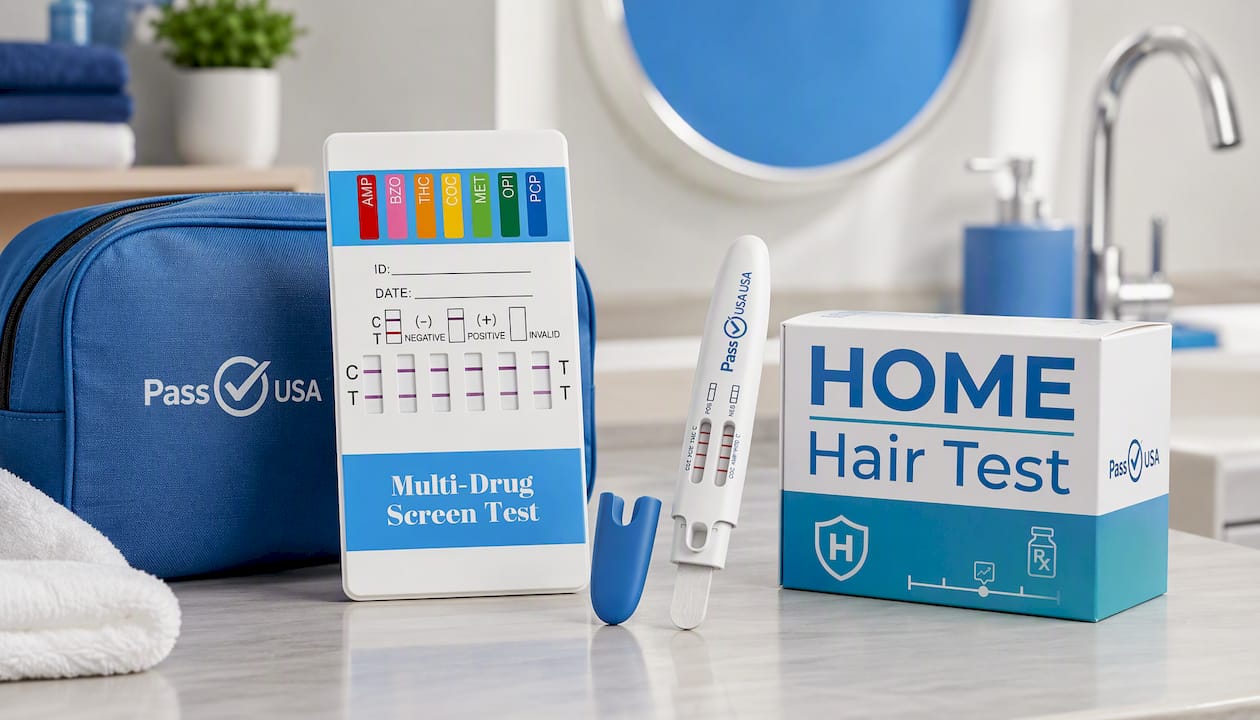
Want to know where you stand first? The at-home hair follicle test kit lets you test privately before the real thing.
Delta-8 on a saliva test
Oral fluid tests look for recent use, and they usually detect the parent THC compounds in the mouth rather than the urine metabolite. Delta-8 taken as a gummy, vape or tincture can leave residue in the mouth shortly after use, so the risk is highest within the first hours and days. Employers like oral fluid tests for post-accident and reasonable-suspicion situations because they point to recent use.
The simplest protection is time, and the usual practical steps are no use, no oral products and good oral hygiene in the days beforehand. Our detox mouthwash and our 12-panel oral fluid saliva test help you plan and check before the real collection.
Delta-8 and blood tests
Blood testing is rare in employment screening and mostly appears after accidents or in legal cases. It reflects recent use, so the time frame is short, usually hours to a couple of days. It is not the test most job seekers need to prepare for.
Does CBD or “hemp” labeling protect you?
No. Delta-8 is usually made by chemical conversion from hemp-derived CBD, and the FDA warns the process often involves potentially harmful chemicals. The CBD itself generally isn’t what gets flagged, but products labeled CBD can contain other cannabinoids. A product’s legal status in your state also doesn’t change how your employer’s lab treats the sample. Many employers apply a zero-tolerance policy for THC, and some states protect off-duty use for certain jobs while safety-sensitive and federally regulated roles are held to stricter rules. Check your employer’s written policy and your state’s rules before you assume anything.
Our perspective: what we tell people who used delta-8
We have spent more than 20 years helping people prepare for hair, urine and saliva tests, and the pattern with delta-8 is consistent. People assume a legal gas station product is different from marijuana, and they find out otherwise at the collection site. Our advice is to treat delta-8 exactly like cannabis for planning purposes.
Three things matter most. First, identify which test you face, because a urine plan and a hair plan have almost nothing in common. Second, count your real days and be honest about how much and how often you used. Third, follow a structured method instead of piling on tips from forums. The Macujo Method pairs the right products with a calculator and video instructions for each test type, and our private consultations with Mike Macujo let you ask about your exact situation. We stay with you until you pass your test.
— Detox Experts
Get a plan built around your test
If your test involves hair, start with our Macujo Aloe Rid Shampoo as part of a full hair routine, and add the products for any other test you face. Browse the hair, urine and saliva test products or book a private consultation with Mike Macujo and we will map out a schedule for your timeline.
Not sure where you stand? Our guide on exercise before a drug test clears up a common myth, and the full detection time overview will help you build a calendar.
Practical checklist before any test
- Ask what type of test it is: urine, hair, oral fluid or blood.
- Ask when it is, and count back to your last use.
- Stop all delta-8 and other THC products today, including vapes and edibles.
- Don’t rely on a lab missing delta-8. Some do confirm it, and some report delta-9.
- Keep any prescriptions and their paperwork handy for the medical review officer.
- Don’t drink huge amounts of water right before a urine test. Dilute samples are often flagged and retested.
- For hair, begin your cleansing routine as early as your schedule allows, and follow the full plan.
FAQ
Does delta-8 show up on a drug test?
Yes, in most cases. Delta-8 is metabolized to a compound similar to the delta-9 THC metabolite, so standard urine screens frequently read positive. Whether the lab then identifies it as delta-8 or delta-9 depends on the confirmation method.
Does delta-8 show up in a hair test?
It can. Researchers have validated a method that detects delta-8 THC in hair. Hair can reflect use for up to 90 days or longer, though use in the most recent two weeks may not yet appear in the sample.
How long does delta-8 stay in urine?
It varies with how often you use, your body and the product. Occasional users may clear it within days, while frequent users may stay detectable for several weeks. No chart is a guarantee.
Can a delta-8 positive be explained as legal hemp use?
A urine test cannot show the source or route of exposure. Some workplaces review results with a medical review officer, but a hemp product is usually not accepted as an explanation. Read your employer’s drug policy before the test.
Can I pass a delta-8 drug test?
Preparation improves your position but no honest provider can guarantee an outcome for every person. Time since last use, test type and your pattern of use matter most. We build a plan around those factors and support you with consultations until you pass.
Sources
- Vanderbilt poison control: could CBD or delta-8 cause a positive test
- FDA: 5 things to know about delta-8 THC
- Delta-8-THC-COOH cross-reactivity with cannabinoid immunoassays
- Analytical and medico-legal problems linked to delta-8 in urine
- NADCP delta-8 fact sheet
- NLCP: effects of delta-8-THCA on initial and confirmatory testing
- Delta-8-THC exposure and confirmation in pediatric patients
- ACMT position statement on urine interpretation
- Complexity of translating analytics to recent cannabis use
- Validated method for detecting THC compounds in hair