


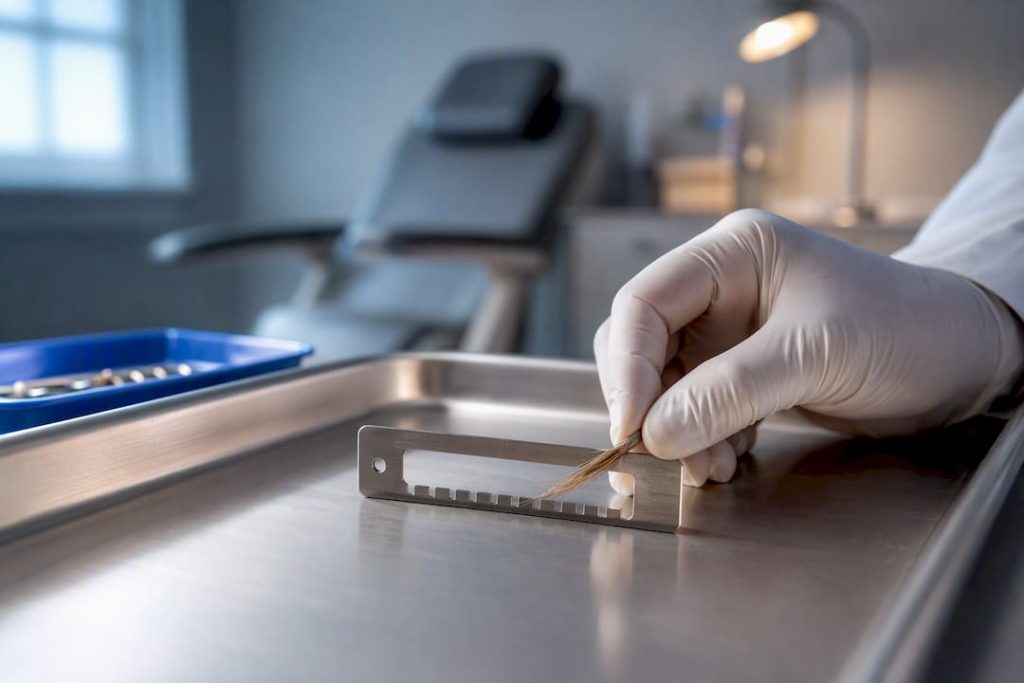
Yes, body hair can be used when scalp hair is unavailable, but it gives a broader, less precisely dated overview than scalp hair. A body hair drug test is generally accepted as a substitute specimen, and labs typically describe it as covering an extended window (often discussed up to around 12 months), rather than a clean, segmented timeline. Always confirm the accepted specimen, collection site, and drug panel with the ordering organization before you assume anything about what a result will actually show.
TL;DR:
- Body hair testing provides a broader and less precisely dated overview of drug exposure compared to scalp hair, which can give a roughly three-month window from a 1.5-inch sample.
- Collection sites such as beard, leg, or chest hair can significantly influence analyte levels, making results site-specific and requiring detailed documentation for accurate interpretation.
- A positive body hair result confirms exposure but cannot specify the timing, dosage, or frequency due to irregular growth cycles and study variability across different body sites.
- External contamination from smoke or products can cause false positives, but labs apply washing steps and cutoff criteria to distinguish actual drug use from surface pickup.
- Confirming acceptable specimens, collection sites, and drug panels in writing before testing is essential, especially since cosmetic treatments and collection specifics heavily impact result interpretation.
Table of Contents
- How a Body Hair Drug Test Actually Works
- Head Hair vs. Body Hair: Windows, Precision, and Site Differences
- Sample Collection: Sites, Amounts, and Chain of Custody
- What Body Hair Results Can and Can’t Tell You
- Getting Ready for a Body Hair Test: What to Confirm First
- Where PassUSA Fits Into Lawful Preparation
- When Body Hair Testing Makes Sense
- Prepare Smarter With Passusa’s Hair, Saliva, and Urine Solutions
- Sources
- FAQ
How a Body Hair Drug Test Actually Works
Drugs and their metabolites travel through the bloodstream and get deposited into the hair follicle as the strand forms, which is why hair testing works at all. Once a strand grows past the skin, whatever was circulating in the blood at that time is essentially locked into that segment.
Routine collection cuts the hair shaft close to the skin. It does not pluck the follicle out, despite the common nickname “hair follicle test.” That distinction matters because plucking pulls a different structure entirely, and it is not how standard collections are performed, according to Quest Diagnostics.
Labs do not just run a raw sample through a machine and call it done. They wash the hair first to strip away surface contamination, then confirm any presumptive positive using gas chromatography-mass spectrometry (GC‑MS) or liquid chromatography-tandem mass spectrometry (LC‑MS/MS), according to a Forensic Science Review.pdf) analysis of hair testing methodology. That two-step process is what keeps hair testing defensible in court and in employment disputes.
Scalp hair growth basics that drive interpretation:
- Average growth rate: roughly half an inch per month
- A 1.5-inch scalp sample: interpreted as covering roughly three months, per USDTL
- Body hair growth cycles: irregular, with variable active and resting phases that break this math
That last point is the whole reason body hair can’t be sliced into neat 30-day segments the way scalp hair can.
Head Hair vs. Body Hair: Windows, Precision, and Site Differences
Scalp hair gives you something body hair can’t: a segmented, datable record. Cut a 1.5-inch length near the scalp, and a lab can reasonably infer roughly a 90-day exposure history because scalp hair grows at a fairly predictable rate.
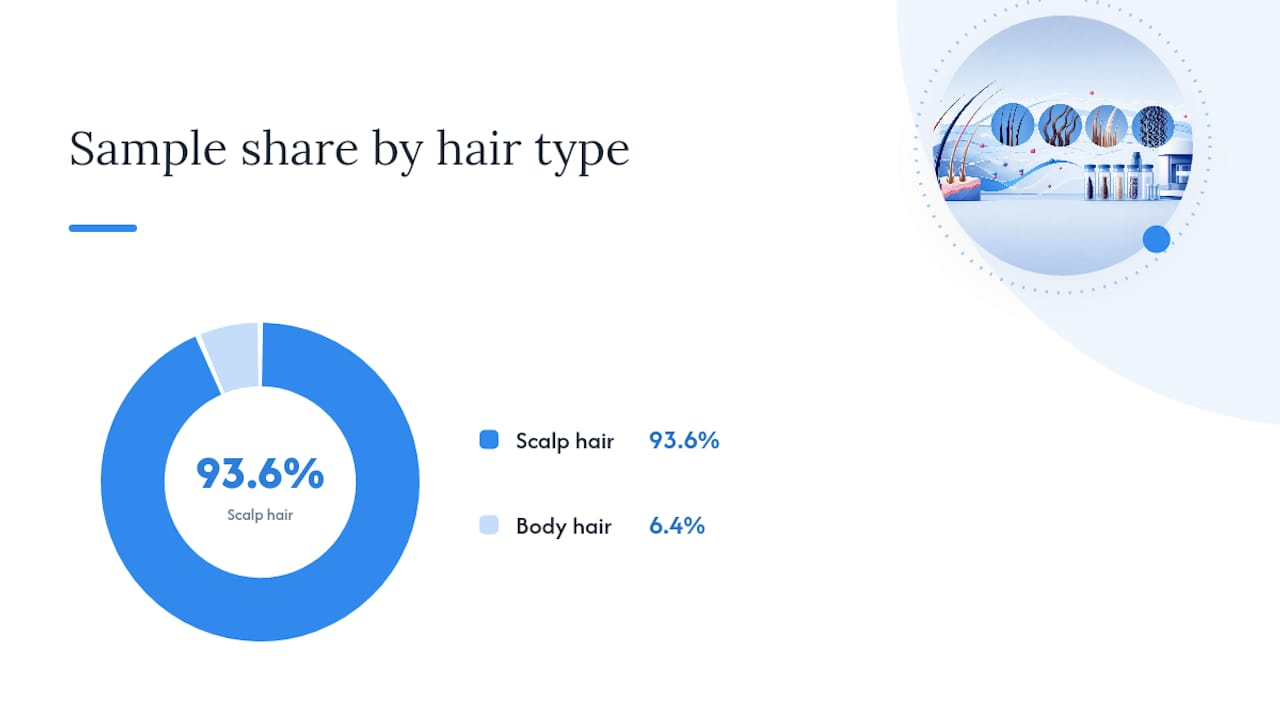
Body hair doesn’t cooperate the same way. Chest, leg, arm, and facial hair grow at different speeds and cycle through rest phases at different points, so labs collect body hair by weight or visual volume and report it as a general overview rather than a month-by-month timeline.
A large-scale comparison of head-hair and body-hair specimens, covering 138,352 head samples and 9,532 body samples, found statistically significant differences in analyte levels depending on the anatomical collection site, with beard and leg hair showing higher concentrations for certain substances than other sites, according to the peer-reviewed analysis. That’s not a minor footnote. It means:
- A result from leg hair and a result from beard hair aren’t automatically comparable, even from the same person
- Interpretation depends heavily on which site was actually collected
- Labs rely on their own reference ranges for each site rather than one universal cutoff
This is exactly why the collector records the specimen source on every chain-of-custody form. Skip that detail, and the whole result becomes harder to interpret correctly.
Sample Collection: Sites, Amounts, and Chain of Custody
When scalp hair is too short or unavailable, collectors move to body hair in a fairly consistent order of preference. Quest Diagnostics lists chest, underarm, leg, and facial or beard hair as acceptable alternate sites, and the collector documents exactly which one was used, because site affects how the result gets read later, per Quest Diagnostics’ hair testing guidance.
- Head hair requirement: Roughly 100 to 200 strands, cut to about 1.5 inches, or approximately 100 milligrams of material, according to USDTL’s lab guidance.
- Body hair requirement: Collected by weight or visual volume instead of length. Labs often describe the needed amount informally as roughly a cotton ball’s worth, since individual body hairs weigh less than scalp strands.
- Collector protocol: A trained collector wraps the sample in foil, seals it in a tamper-evident pouch, and has the donor sign a custody form confirming the site and amount collected.
If you’ve had a recent haircut, shave, or chemical treatment, disclose it. That information gets logged and factored into how the lab reads the result.
What Body Hair Results Can and Can’t Tell You
A positive body hair result confirms exposure. It doesn’t tell you exactly when the exposure happened, how much was used, or how often, because the growth and rest cycles across different body sites scramble any clean timeline.
Contamination is the other wrinkle. Hair sitting in a smoky room or handled with contaminated products can pick up substances externally, without any actual use. That’s why labs run a wash step before testing and apply specific metabolite ratios and cutoff criteria, rather than flagging any trace amount as positive, according to forensic hair-testing research.
Common complicating factors labs account for:
- Bleaching, dyeing, or perming, which can alter drug concentrations in the shaft
- Environmental exposure to smoke or contaminated surfaces
- The specific body site collected, since site-related concentration differences are well documented
- Federal and employer testing programs often set their own rules for which specimens and panels are authorized, and hair testing policies vary by program and ordering authority
A defensible lab report always notes the collection site alongside the result. Without that context, the number on the page means less than it looks like it does.
Getting Ready for a Body Hair Test: What to Confirm First
Before you assume anything about how a body hair test will play out, get answers in writing where you can. Four questions matter most, drawn from guidance USDTL offers on interpreting these results:
- Does this program actually accept body hair, or does it require scalp hair specifically?
- Which body sites are approved for collection?
- What’s the minimum amount needed for a valid result?
- Which drug panel and confirmation method (GC‑MS or LC‑MS/MS) will be used?
Don’t lean on marketing promises that a product will “guarantee” a clean result. No shampoo or treatment can be represented as a guaranteed remover of biomarkers already incorporated into the hair shaft, and any claim otherwise should raise a flag. If you’ve had recent cosmetic treatments, document them, and if the stakes are high (a job offer, a legal matter), talk to someone who understands the testing side, not just the retail side.
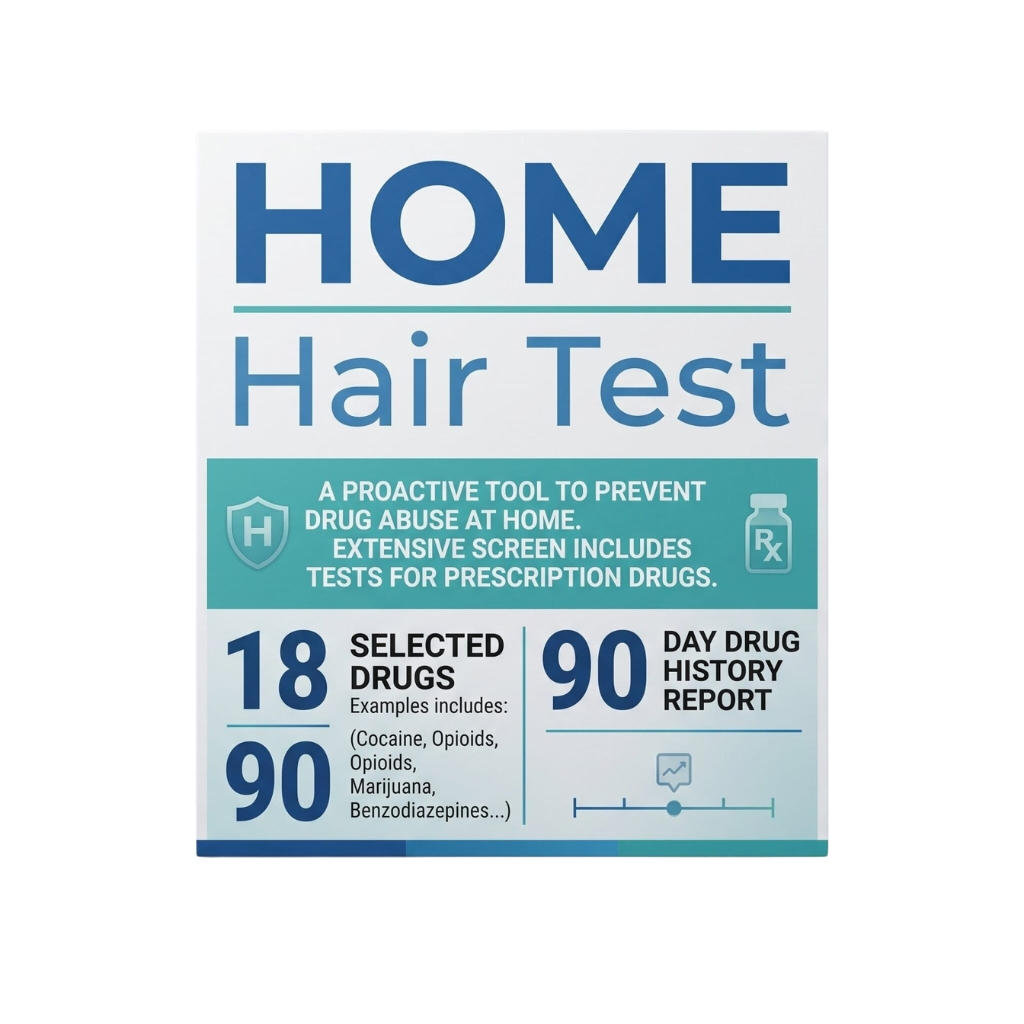
Pro Tip: If you’re worried about a scalp hair test specifically, an at-home hair follicle test kit lets you check your status privately before the real appointment, so you’re not walking in blind.
Where PassUSA Fits Into Lawful Preparation
A company specializing in drug test preparation has spent more than 20 years working with people preparing for hair, urine, and saliva screenings, building methods compatible with the Macujo approach and a catalog that spans all three specimen types. That experience shapes how the company talks about preparation, not just what it sells.
- A private consultation helps you match preparation steps to the specific policy your test follows, rather than guessing
- Documenting cosmetic treatments and disclosing them honestly protects the integrity of your own explanation if a result gets questioned
- The company is direct about limits: no product can be represented as guaranteeing a change to a validated laboratory result.
That transparency is the point. Preparation should mean showing up informed, not betting on a promise nobody can actually keep.
When Body Hair Testing Makes Sense
Body hair is a legitimate fallback when scalp hair isn’t available. It’s not a downgrade so much as a different tool with a wider, blurrier lens. Anyone weighing it should walk in accepting that the result reads more like an overview than a calendar.
The best move is boring but effective: confirm the specimen policy in writing, disclose any cosmetic treatments up front, and consider a consultation if the outcome carries real weight, like a job offer or a legal proceeding.
— Detox Experts
Prepare Smarter With Passusa’s Hair, Saliva, and Urine Solutions
This company offers personalized guidance intended to support customers throughout their preparation, rather than just selling products. Where a generic detox shampoo off a store shelf leaves you guessing, the product catalog is combined with support to help match preparation to the specimen and panel actually faced.
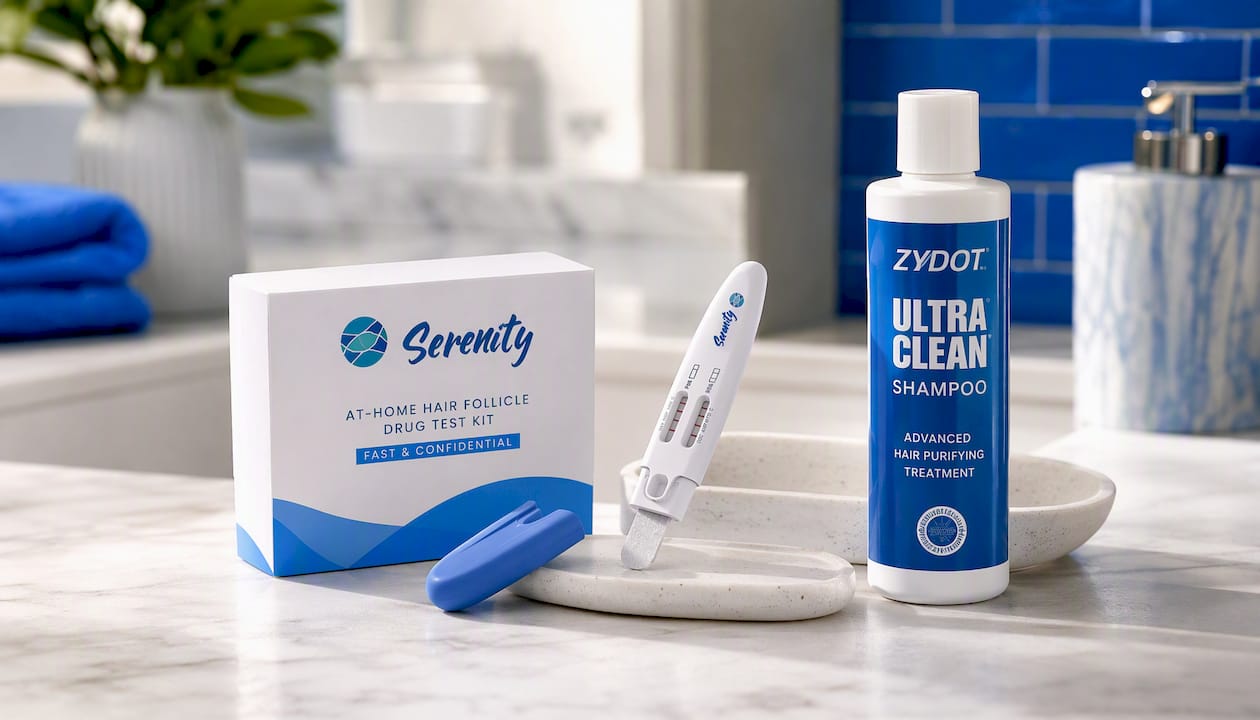
For hair preparation, the Zydot Ultra Clean Shampoo is formulated to work as part of a cleansing routine before a scheduled hair test, and it pairs naturally with the Macujo Aloe Rid Shampoo method Passusa built its name on, designed to strip buildup from the hair shaft ahead of collection. If you want to check your status privately first, the at-home hair follicle drug test kit gives you a fast, confidential read before the real appointment. For screenings that use oral fluid instead, Passusa also carries a 12-panel oral fluid saliva test for quick pen-style screening at home.
If your situation is complicated (an unusual collection site, a tight timeline, or a high-stakes screening), book a private consultation with Mike Macujo and get a plan built around your actual test, not a generic checklist.
Sources
- Hair testing – FAQ (Quest Diagnostics)
- USDTL resources for testing
- Comparative evaluation of drug deposition in hair samples collected from different anatomical body sites (PubMed entry)
FAQ
Can You Pass a Hair Follicle Test in 30 Days?
Passing depends on how much time has actually elapsed, your usage pattern, and which specimen gets collected. Scalp hair typically reflects roughly a 90-day window, so 30 days alone rarely clears a standard segment, though a documented cleansing routine before the test can still be part of a responsible prep plan.
How Can I Detox My Hair Follicles?
A hair cleansing regimen using a product like the Zydot Ultra Clean Shampoo is designed to strip contaminants and buildup from the outer hair shaft before collection. No product can guarantee removal of substances already incorporated into the hair itself, so confirming your test type and timeline first matters just as much as the shampoo you choose.
Is a Body Hair Drug Test as Accurate as a Head Hair Test?
Both use the same lab confirmation methods, including GC‑MS or LC‑MS/MS, but body hair gives a broader exposure overview instead of a precisely dated timeline. That’s because body hair growth cycles vary by site, unlike scalp hair’s more predictable growth rate.
What Body Sites Can Be Used Instead of Scalp Hair?
When scalp hair is unavailable, collectors commonly turn to chest, underarm, leg, or facial and beard hair, in roughly that order of preference. The collector always records which site was used, since site affects how the result gets interpreted.
Can Contamination Cause a False Positive on a Body Hair Test?
External contamination from smoke or contaminated surfaces can affect raw hair samples, which is why labs wash specimens before testing. Confirmation testing and defined metabolite cutoffs are built specifically to filter out surface contamination from actual internal exposure.