


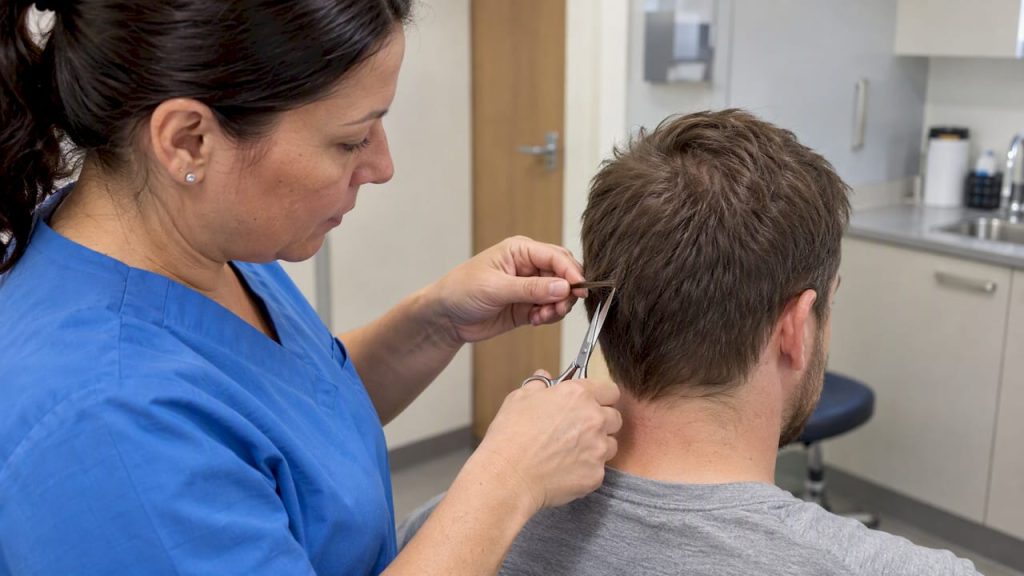
The only dependable way to pass an EtG test is to stop drinking long enough for the metabolite to drop below your lab’s cutoff, since no shortcut reverses alcohol metabolism. Detection depends on three things: how much you drank, which specimen is tested (urine or hair), and whether the lab uses a 100, 200, or 500 ng/mL cutoff. The sections below break down detection windows, specimen-validity checks, and the practical steps that actually improve your preparation.
TL;DR:
- Urine detection varies by cutoff: 100 ng/mL may catch light drinking for several days, while 500 ng/mL often detects heavier drinking for roughly a day.
- The recommended minimum is 72 hours without alcohol after more than light drinking, with longer abstinence after heavy or recent drinking.
- Hair tests reflect roughly 90 days of use, and recent abstinence cannot remove EtG already embedded in the tested hair segment.
- Excessive water dilutes urine without speeding clearance, and labs can flag dilute samples through creatinine, specific gravity, and pH checks.
- A home test 24 to 48 hours before the appointment can reveal an unexpected result while leaving time to reassess your preparation.
Table of Contents
- What EtG Is and How Tests Differ by Specimen
- Urine EtG: Detection Windows, Cutoffs, and Example Timelines
- Hair EtG Testing: Why It’s Different and How Hair Prep Fits In
- Factors That Affect Results and How Labs Check Specimen Validity
- Practical Pre-Test Checklist: What to Do
- PassUSA Expertise and Which Products Fit Each Test Type
- Our Take on Realistic Expectations and Safety
- Get Ready for Your Test: Products and Guided Support
- FAQ
- Sources
What EtG Is and How Tests Differ by Specimen
Ethyl glucuronide (EtG) and ethyl sulfate (EtS) are byproducts your body creates when it breaks down ethanol. They stick around in urine and hair long after alcohol itself clears your blood or breath, which is exactly why testing programs favor them over a breathalyzer when the goal is catching drinking that happened days or months earlier.
Each specimen type answers a different question:
- Urine EtG flags drinking within the last one to five days, depending on cutoff and dose.
- Hair EtG reflects a pattern of use over roughly the past 90 days, since the metabolite becomes locked into the hair shaft as it grows.
- Saliva and oral fluid alcohol tests detect very recent use, typically within hours, and behave more like a breathalyzer than a long-window metabolite test.
Knowing which specimen you are facing changes everything about how you prepare.
Urine EtG: Detection Windows, Cutoffs, and Example Timelines
Urine EtG testing lives and dies by the cutoff the lab chooses. A 100 ng/mL cutoff is sensitive enough to catch both light and heavy drinking for up to five days in some studies, while a 500 ng/mL cutoff, common in many commercial labs, mostly catches heavier drinking within roughly a day and is less likely to flag incidental exposure.
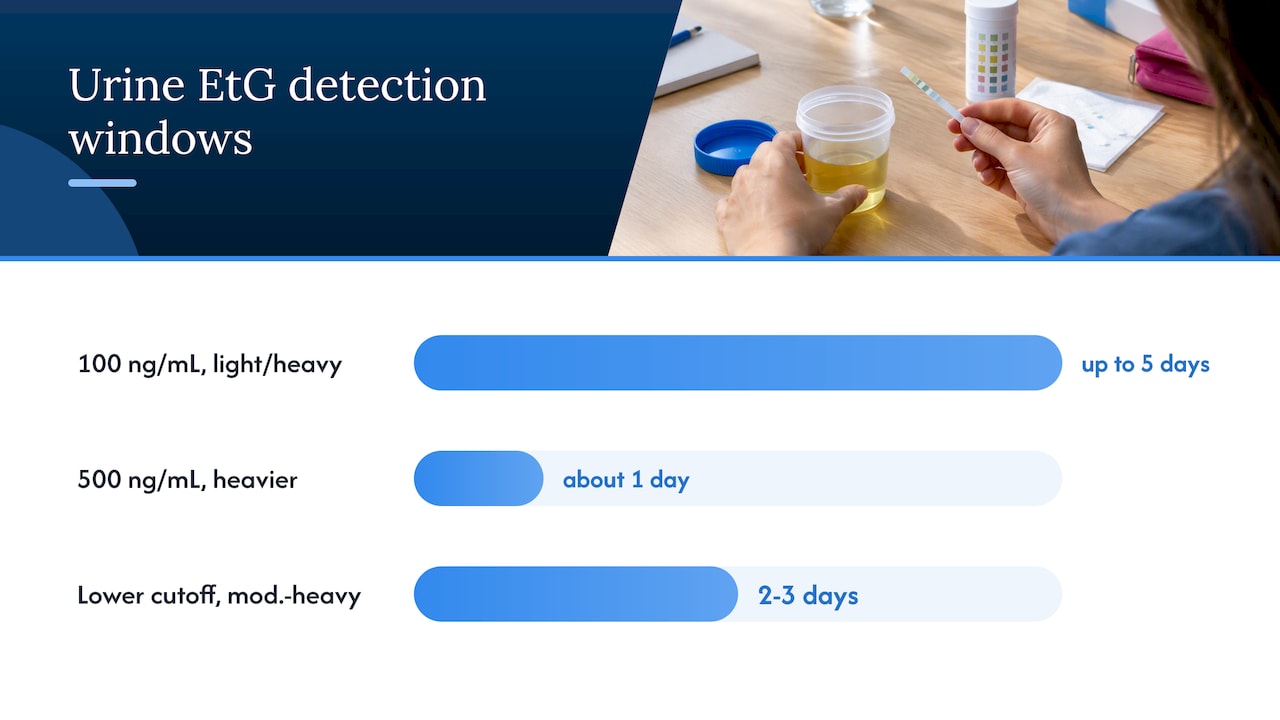
At a 100 ng/mL cutoff, detection after even light drinking can extend to multiple days, which is why lower-cutoff programs are far stricter than higher-cutoff ones.
Rough timelines look like this:
- Light drinking (one or two drinks): most likely to clear a 500 ng/mL cutoff within 24 hours, but may still register at 100 ng/mL for longer.
- Moderate to heavy drinking: can remain detectable at lower cutoffs for two to three days, and sometimes longer in people who drink heavily on a regular basis.
- Heavy, sustained drinking: in alcohol-dependent patients, one detox study found individual clearance times below cutoff ranging from roughly 40 to 130 hours, with a median around 78 hours.
There is no universal “wait X hours and you’re clear” rule. Body composition, hydration, liver function, and how much you actually drank all shift the curve, and the same two drinks can clear faster in one person than another.
Hair EtG Testing: Why It’s Different and How Hair Prep Fits In
Hair EtG testing is not a shorter version of the urine test, it is a completely different measurement. Once the metabolite is deposited into the hair shaft as it grows, it stays there for the length of that hair segment, which typically represents about 90 days of history. Stopping drinking the week before a hair test does nothing to the biomarker already locked into hair that grew weeks or months earlier.
That is why hair-focused preparation looks different from urine prep:
- Abstinence alone will not clear a hair test the way it can help with urine, because the relevant hair segment already reflects past drinking.
- Structured hair-cleansing protocols, including Macujo-based approaches, are built specifically around stripping the hair shaft and cuticle rather than waiting out a clock.
- At-home verification before the real appointment lets you see where you stand before it counts.
We cover the products built around that approach, including our Macujo Aloe Rid Shampoo, later in this article.
Factors That Affect Results and How Labs Check Specimen Validity
Detection times are not fixed numbers, they are ranges shaped by real variables. Metabolism, body weight, liver health, how much and how fast you drank, timing relative to the test, and hydration status all push the window wider or narrower.
- Dose and pattern matter more than any single rule of thumb: a single drink behaves differently than a night of heavy drinking, even in the same person.
- Hydration affects concentration, not elimination, since drinking more water dilutes urine without actually clearing EtG faster.
- Incidental exposure is rarely the real problem: a study on mouthwash and hand sanitizer found that combined EtG/EtS confirmation algorithms were not vulnerable to those exposures, which undercuts the common excuse that a cosmetic product caused a positive.
Labs do not just read a number, they check whether the sample itself is legitimate. SAMHSA collection guidance defines creatinine and specific gravity ranges that flag a specimen as dilute or substituted, alongside pH checks that catch tampering. Flooding a sample with water or adding an adulterant typically shows up in these markers rather than hiding anything, which is why home “tricks” of that kind are unreliable and often counterproductive.
Practical Pre-Test Checklist: What to Do
The right checklist depends on whether you are facing a urine or hair test, but both reward preparation over panic.
For a urine EtG test:
- Stop drinking immediately once you know a test is coming, since every extra hour of abstinence helps.
- Treat 72 hours as a conservative minimum abstinence window for anything beyond light drinking, and longer if your drinking was heavy or recent.
- Hydrate normally, not excessively, since overloading on water mainly affects specimen validity markers rather than clearance speed.
- Use an at-home urine check, such as our 13-Panel Urine Drug Test Dip Card, to see where you stand before the real appointment.
- Skip adulterants entirely, since SAMHSA-aligned validity checks are built to catch them.
For a hair EtG test:
- Understand that recent abstinence will not undo a positive from a structured cleansing protocol applied in advance.
- Verify readiness with an At-Home Hair Follicle Drug Test Kit before your scheduled test date.
- If results are uncertain or the timeline is tight, a guided consultation can help you apply the right protocol correctly.
Pro Tip: Test yourself at home at least 24 to 48 hours before the real appointment so you still have time to adjust if the result comes back positive.
PassUSA Expertise and Which Products Fit Each Test Type
We have worked in detox preparation for many years, building our approach around the Macujo Method and refining it through customer consultations. That experience shapes how we match products to the test someone is facing, rather than offering one generic solution.
- Hair tests: our Macujo Aloe Rid Shampoo anchors a structured hair-prep protocol, paired with the At-Home Hair Follicle Drug Test Kit for pre-appointment verification.
- Urine tests: the 13-Panel Urine Drug Test Dip Card lets you check specimen status before you walk into a collection site.
- Saliva and oral fluid tests: our 12-Panel Multi-Drug Oral Fluid Saliva Test gives a quick read on recent exposure.
Private, one-on-one consultations walk you through which protocol fits your timeline, paired with step-by-step video instructions so you apply it correctly.
Our Take on Realistic Expectations and Safety
Abstinence is the only guaranteed path for urine EtG. Hair-prep products can meaningfully improve readiness for a hair test, but they work within a protocol, not as a substitute for one. Never attempt illegal substitution, and if drinking has become hard to control, that calls for medical support, not a testing strategy.
— Detox Experts
Get Ready for Your Test: Products and Guided Support
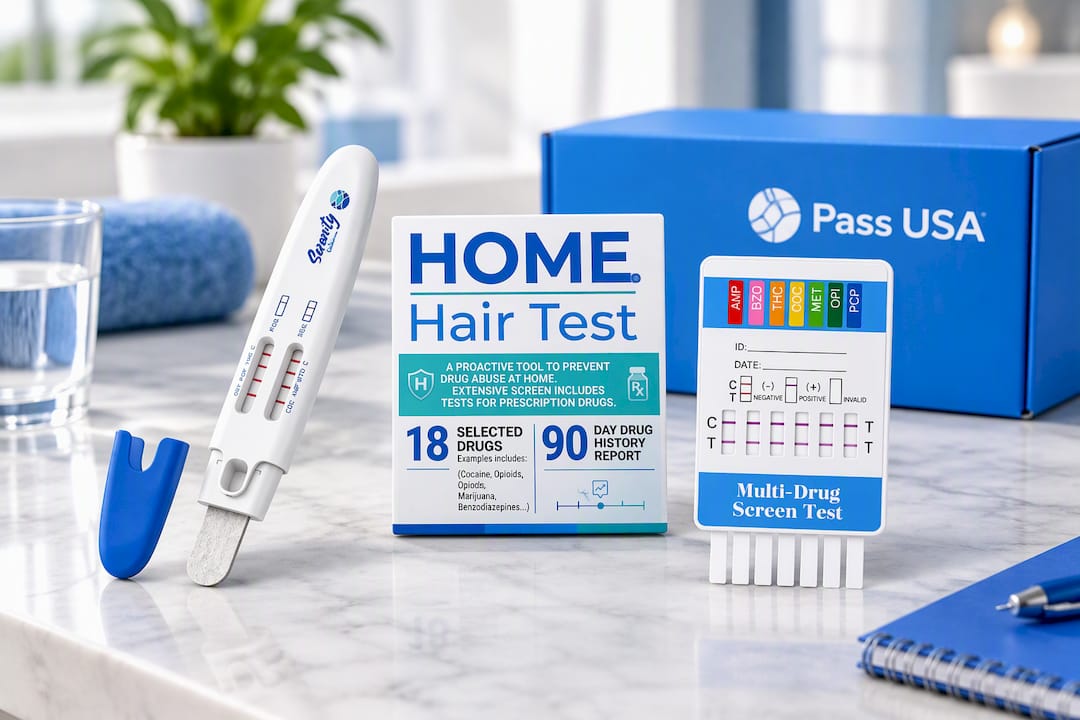
Whichever test you are facing, preparation works better with the right tools in hand. For hair tests, our Macujo Aloe Rid Shampoo gives you a structured starting point, backed by the At-Home Hair Follicle Drug Test Kit to confirm where you stand before the real appointment. For urine, the 13-Panel Urine Drug Test Dip Card lets you check a sample ahead of time instead of guessing.
If your timeline is tight or your situation is complicated, a private consultation with Mike Macujo walks you through the exact protocol for your test type, with support until you pass.
This article is general information, not a substitute for advice from a qualified doctor. Consult a qualified healthcare professional about your own circumstances before acting on anything here.
FAQ
How long does it really take to pass an EtG test?
For urine, conservative estimates range from 24 hours after light drinking to several days after heavier drinking, depending on the lab’s cutoff. Hair tests reflect roughly 90 days of history, so passing one requires a structured prep protocol rather than waiting out a clock.
Will I pass an EtG test after drinking 2 beers?
It depends heavily on the lab’s cutoff: a 500 ng/mL cutoff may clear within about a day, while a 100 ng/mL cutoff can still detect light drinking for longer. There is no fixed hour count that applies to everyone.
What can throw off an EtG test?
Incidental exposure to products like mouthwash or hand sanitizer has not been shown to cause reportable positives when labs use combined EtG/EtS confirmation methods. The bigger factors are actual dose, timing, and which cutoff the testing program applies.
What is the EtG cutoff for a urine test?
Commercial labs commonly use a 500 ng/mL cutoff, while research and some clinical settings use lower cutoffs like 100 ng/mL for greater sensitivity. Always confirm the cutoff your specific program uses, since it changes the detection window significantly.
Sources
- Ethyl Glucuronide and Ethyl Sulfate Assays in Clinical Trials, Interpretation, and Limitations
- Using Ethyl Glucuronide in Urine to Detect Light and Heavy Drinking in Alcohol Dependent Outpatients
- Urine Ethylglucuronide Testing | Clinical Neurobiology Lab | MUSC College of Medicine
- Urine specimen collection site manual and SAMHSA guidance
- Study on incidental exposure and EtG/EtS algorithms