


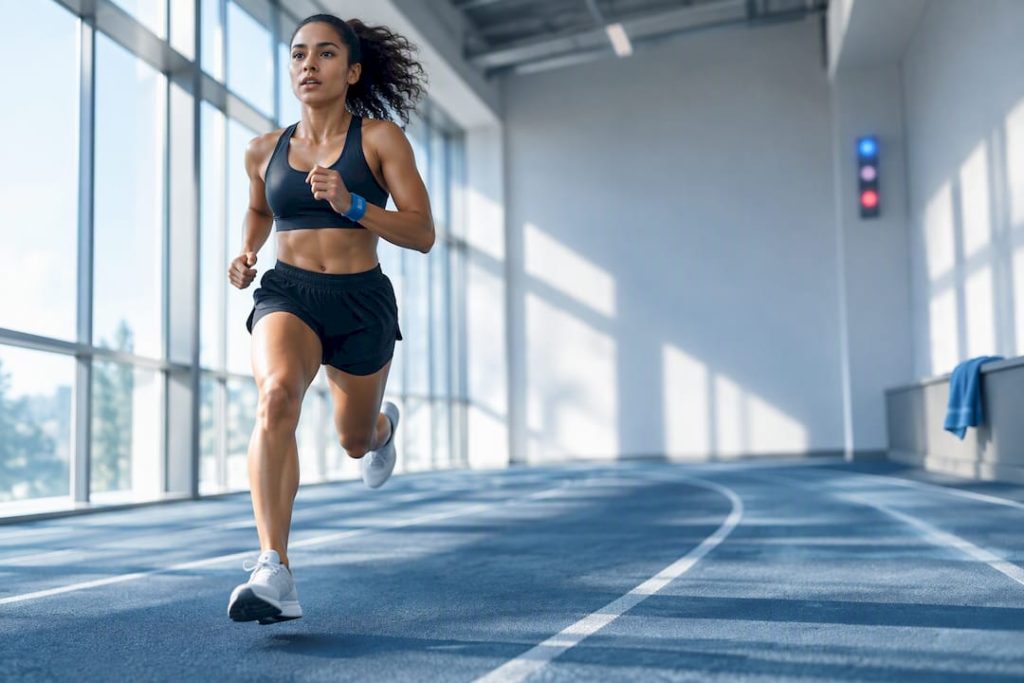
Short answer: exercising shortly before most urine or saliva tests is unlikely to convert a clean sample into a positive, but it can temporarily raise blood THC and creates avoidable risk. It does not clear hair tests. If a hair follicle test is on the calendar, systemic changes like a hard workout do nothing for metabolites already locked into the hair shaft.
TL;DR:
- Exercising shortly before a urine or saliva test may temporarily raise blood THC levels but will not cause a negative result to turn positive if the test was previously clean.
- Systemic measures like exercise do nothing to affect metabolites already embedded in hair, which reflect use over the past three months.
- Avoid heavy exercise in the 24 hours before a urine test to prevent short-term plasma THC increases that could introduce uncertainty.
- Dilution tricks, such as overhydration, can lead to flagged samples; the best approach is abstinence or targeted hair prep for hair tests.
- The most effective preparation depends on the specific test type; use products designed for each specimen, especially for hair follicle testing, rather than generic detox routines.
Table of Contents
- Which drug test are you facing and what each one measures
- What the research says about exercise and THC
- Practical pre-test steps for each test type
- Why “sweating it out” and dilution tricks backfire
- PassUSA’s approach to hair testing and detox products
- What actually matters here
- How PassUSA can support your test prep
- Sources
- FAQ
Which drug test are you facing and what each one measures
Before deciding whether a workout matters, you need to know which test you’re taking, because the answer changes completely depending on the specimen.
- Urine tests measure THCCOOH, a metabolite your body produces after breaking down THC, and they reflect use over days to weeks rather than a single dose.
- Blood tests measure parent THC directly in circulation, which is why they’re sensitive to short-term changes but are also rarely used outside clinical or legal settings.
- Saliva (oral fluid) tests detect recent use, typically within the last day, and mainly pick up THC from oral contamination or recent smoking or vaping.
- Hair follicle tests detect metabolites incorporated into the hair shaft as it grows, covering a window of roughly the last three months.
The practical consequence is that urine and hair tests, the two most common formats, reflect a history of use rather than what happened in the last hour. A urine test is asking “have you used recently,” not “what’s in your blood right now.” Blood and, to a lesser extent, saliva tests are the ones where short-term physiology actually matters. Hair tests sit at the other extreme entirely: nothing you do systemically in the days before the test touches metabolites that were deposited in the hair shaft weeks earlier.
What the research says about exercise and THC
The idea that a hard workout “burns off” THC has a kernel of truth and a lot of exaggeration built on top of it. THC is fat-soluble, so it gets stored in fat tissue after use. When you exercise, especially at moderate to high intensity, your body breaks down fat for fuel through a process called lipolysis, and that process can release small amounts of stored THC back into your bloodstream.
A controlled study found that moderate exercise in regular cannabis users caused a small but statistically significant temporary increase in plasma THC immediately afterward, correlating with markers of lipolysis and with BMI.Exercise increased plasma THC in that population, and the effect tracked with how much fat tissue a person had to mobilize from.
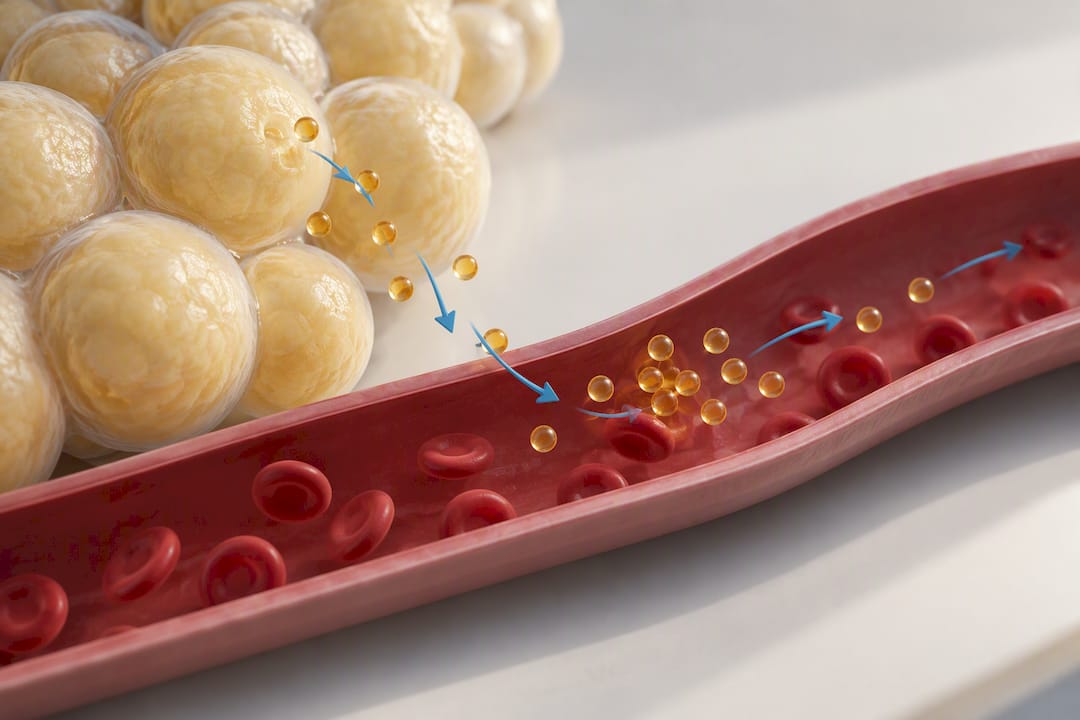
A related analysis of exercise and food deprivation found the same pattern: bouts of moderate-to-intense exercise caused transient plasma THC increases that generally normalized within about two hours. That timing matters. The spike is real but brief, which is exactly why it rarely shows up as a meaningful change on a urine test.
A few things keep this from being a reliable strategy for anyone:
- The studies involved regular cannabis users, so the findings may not generalize to occasional users with less stored THC to mobilize.
- Sample sizes were small, and individual responses to exercise, body fat percentage, and metabolism vary widely.
- Urine THCCOOH concentrations generally do not show an equivalent rapid rise, so a brief plasma spike is unlikely to flip a negative urine result to positive.
The takeaway is narrow but useful: exercise can move THC around in your blood for a short window, but it does not meaningfully change what a urine or hair test reports.
Practical pre-test steps for each test type
What you should actually do depends entirely on which test is coming up.
- Urine test: Avoid heavy exercise for about 24 hours beforehand, since even a temporary plasma THC bump adds uncertainty you don’t need. Skip deliberate overhydration or diuretics, since urine that’s too diluted (measured by creatinine and specific gravity) gets flagged and can trigger a required retest.
- Blood test: If you know a blood draw is likely, which is uncommon outside legal or medical contexts, avoid intense workouts for several hours beforehand to keep circulating THC as low as possible.
- Saliva test: The detection window is short, generally under 24 hours, so avoid recent use and skip mouthwash, breath spray, or anything that could leave residue in the mouth and trigger contamination flags.
- Hair test: Understand that systemic actions, exercise, water, sauna sessions, do not touch metabolites already bound inside the hair shaft. Preparation needs to target the hair itself, which is the entire premise behind a hair-focused prep method rather than a general detox.
Pro Tip: If you’re not sure which test you’ll face, prepare for the strictest one, usually hair, since it demands the most lead time and the least improvisation.
No approach, hair-focused or otherwise, comes with a guarantee, and anyone who tells you otherwise is skipping past how individual factors like hair thickness, treatment history, and frequency of use actually affect outcomes.
Why “sweating it out” and dilution tricks backfire
The idea that you can sweat, hydrate, or exercise your way to a clean result is one of the most persistent myths in this space, and it’s mostly wrong.
- Exercise mobilizes a small amount of stored THC into the blood, it does not eliminate THCCOOH from urine or metabolites from hair.
- Overhydration dilutes urine enough to be flagged by creatinine and specific gravity checks, which labs and Medical Review Officers treat as a specimen validity issue rather than a clean negative.
- A flagged dilute or adulterated sample typically triggers a required recollection and closer scrutiny, not an automatic pass.
Dilute or adulterated specimens go through additional MRO review and often a second collection under SAMHSA’s testing procedures, which usually costs you more time than it saves. Extreme fasting and unregulated adulterants carry their own health risks and rarely deliver the result people hope for. The safer paths are straightforward: abstain long enough for natural clearance, use a hair-specific prep method for hair tests, or get a personalized read on your situation before test day rather than improvising the morning of.
PassUSA’s approach to hair testing and detox products
Hair testing is the format where guesswork causes the most damage, because there’s no shortcut through systemic changes like exercise, water, or diet. Detox Experts has spent more than 20 years focused specifically on this problem, and An effective approach to hair testing involves a hair-specific solution rather than a general detox plan.
The reasoning is straightforward: metabolites in hair testing are bound inside the hair shaft, not floating in blood or urine, so a regimen aimed at the hair itself, opening the cuticle, working a cleansing formula into the shaft, and rinsing thoroughly, addresses the problem where it actually lives. That’s the logic behind the Macujo Method, and it’s why PassUSA’s Macujo Aloe Rid Detox Shampoo is built specifically for hair follicle prep rather than marketed as an all-purpose detox product.
Beyond hair, PassUSA also offers:
- Urine test products for people facing a lab or at-home urine screening.
- Saliva test products for oral fluid tests with short notice.
- Personalized guidance through one-on-one consultation with Mike Macujo for anyone who wants a plan built around their specific test type, timeline, and usage history.
None of this comes with a promise that any product will beat every lab’s threshold. What it offers is a targeted method built around how each test actually works, backed by two decades of narrowly focused experience rather than a one-size-fits-all detox pitch.
What actually matters here
The evidence on exercise and THC is more nuanced than either extreme you’ll find online. It’s not nothing, a real, measurable plasma THC spike does happen after exertion, but it’s also not the loophole some people hope for. The gap between those two ideas is where most bad advice lives.
The bigger problem with the “just work out first” approach is that it treats every drug test like it’s the same test. It isn’t. A strategy aimed at blood THC does nothing for a urine test, and neither one touches a hair test at all. Readers searching for a quick fix before a urine screen are often solving a problem that barely exists, while readers facing a hair test are often not solving the real problem at all.
If you take one thing from the research, it’s this: figure out which test you’re actually facing before you decide what to do about it. Time since last use matters more than any last-minute maneuver, and for hair testing specifically, the only meaningful lever is a method built for hair.
— Detox Experts
How PassUSA can support your test prep
If a hair follicle test is coming up, the fastest way to move from uncertainty to a plan is to start with a method built for hair, not a generic detox routine borrowed from urine test advice. The Macujo Aloe Rid Detox Shampoo prepares hair by working directly on the shaft rather than relying on anything systemic.
For other test types, the same principle holds: match the product to the test.
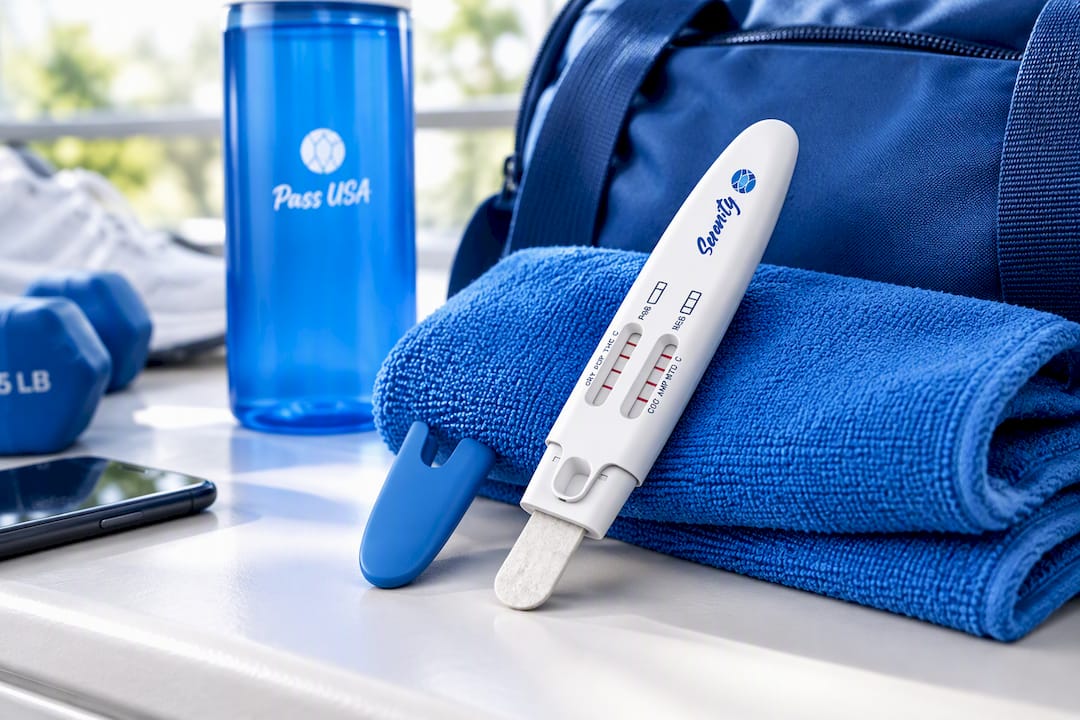
- Facing a saliva screening on short notice? Check your own results ahead of time with the 12-Panel Multi-Drug Oral Fluid Saliva Test, a pen-style screening you can use at home before the real thing.
- Not sure which approach fits your situation, your test type, your timeline, your usage history? A private consultation with Mike Macujo walks through your specifics and builds a plan around them.
- Need urine or saliva-specific products beyond a home test? Browse PassUSA’s full lineup organized by test type.
Whatever test is ahead of you, the right move is picking the product built for that specimen, not the one that sounds like it does everything.
Sources
The science and procedural guidance referenced above come from peer-reviewed research and federal testing agencies.
- Can Physical Exercise or Food Deprivation Cause Release of Fat-Stored Cannabinoids? — Basic & Clinical Pharmacology & Toxicology (Westin et al.)
- Exercise enhances plasma THC concentrations in regular cannabis users — PubMed (2013 study)
- Medical Review Officer Manual — SAMHSA
This article is general information, not a substitute for advice from a qualified doctor. Consult a qualified healthcare professional about your own circumstances before acting on anything here.
FAQ
Does exercise get drugs out of your system quicker?
No. Exercise can cause a brief rise in blood THC through fat breakdown, but it doesn’t speed up how quickly THCCOOH clears from urine or how fast metabolites leave hair. The research on exercise and lipolysis shows the effect is about redistribution, not elimination.
What not to do before a urine drug test?
Avoid heavy exercise in the 24 hours before your test, since it can temporarily raise circulating THC. Also skip deliberate overhydration or diuretics, since labs check creatinine and specific gravity, and a diluted sample under SAMHSA’s specimen validity procedures often means a required recollection rather than a clean pass.
Will pre-workout affect a drug test?
Pre-workout supplements themselves aren’t typically screened for on standard drug panels, so they’re unlikely to cause a false positive on their own. The bigger factor is the workout itself, which can briefly raise blood THC in regular users through the same lipolysis process described in controlled exercise studies.
Does exercise metabolize drugs faster?
Exercise mobilizes fat-stored THC into the bloodstream rather than metabolizing it faster overall. That mobilized THC still needs to be processed by the liver into THCCOOH and cleared through urine over the normal timeline, so exercise doesn’t shorten how long metabolites stay detectable.