


To prepare your hair for a drug test, work in this order. Count back from your test date. Stop all new exposure. Start a structured wash routine with a purpose-made detox shampoo, such as our Macujo Aloe Rid Shampoo, and follow its instructions exactly. Keep your hair care consistent until collection day. The steps below cover each part. They also cover what a lab actually measures, how much hair gets tested and what to do if a result looks wrong.
This guide is about drug testing, not the “scalp detox” routines for shine and growth. If you only want to clear product buildup, skip to the last section.
TL;DR
- A standard hair test uses about 1.5 inches of head hair, which represents roughly 90 days. Your plan starts with that window.
- A detox routine works on the hair itself: a repeated wash schedule using a shampoo designed for the job, not a single rinse the night before.
- Lab studies show that shampoos and everyday hair products can lower THC levels in hair. The effect varies by product and by hair.
- Hair color, hair type, test date and how often you used all change the picture. Mike Macujo’s consultations and wash calculator are built to account for them.
- Abstinence is the only fully certain way to avoid a positive result. Washing is preparation, not a guarantee.
Table of Contents
- What a hair follicle test actually looks at
- The hair detox steps, in order
- What the research says about washing hair
- Timing: how your use history shapes the plan
- Why drinks and home remedies are not the plan for hair
- Perspective: how we think about hair prep
- Ready to start your hair routine?
- What about urine and saliva tests?
- If you dispute or worry about a result
- A note on ordinary scalp detoxing
- FAQ
- Sources
What a hair follicle test actually looks at
A hair test is not a snapshot of last night. According to Quest Diagnostics, a 1.5-inch head-hair sample represents approximately 90 days, and head hair grows about half an inch per month. Drugs also take about 5 to 10 days to reach the scalp surface, so the most recent days before collection are not what the sample shows.
For THC, labs look for a metabolite called THC-COOH. An academic review in the Journal of Applied Laboratory Medicine names it as the preferred marker to confirm THC intake in hair. It is found in sweat and sebum, and it likely spreads through the hair matrix rather than staying at one spot. That is why where the metabolite sits, and how it got there, matters for your plan.
Three practical points follow:
- Your sample is the hair closest to the scalp. The lab typically cuts about 1.5 inches from the crown or back of the head.
- Length matters. Shorter hair means less history in the sample. Our page on a shaved head drug test explains what labs do when there is no head hair to collect, and our guide to body hair drug tests covers the alternative sample.
- Light exposure counts too. The Drug Policy Alliance notes that marijuana compounds have been found in the hair of people who were only passively exposed, through handling it or close contact. Avoiding smoke and handling matters during your prep.
The hair detox steps, in order
Step 1: Count back from your test date
Write down the day you expect to be tested. Then work out how many washes you can fit before it. A job seeker with a scheduled screening in two weeks has a different plan from someone told to report tomorrow. Our 10-day hair-first detox plan shows how the Macujo Method lays out a plan around a real calendar. If your timeline is shorter or longer, the wash calculator and a private consultation are there to adjust it.
Step 2: Stop new exposure right away
Stop using, and stay away from smoke, handling and close contact with people who have recently used. Because the sample covers about 90 days and the newest days are not yet in the sample, stopping early protects the hair that grows after today. It also keeps new material off your hair while you work on the older material.
Step 3: Keep your hair care simple and consistent
Hair-care habits can affect results. The Drug Policy Alliance notes that a person’s hair-care routine can significantly change test results, especially after recent bleaching or dyeing. Quest says normal bleaching or dyeing typically does not change the reporting category. These two points are not in conflict. They show that treatments change hair differently from person to person, so you should not add a surprise treatment in the middle of a plan. Our article on dyeing hair before a drug test goes through what usually happens and how to decide.
In practice:
- Do not start a new color, bleach or relaxer in the final weeks without checking your plan first.
- Skip dry shampoo and heavy styling products during the routine, so residue does not build up between washes.
- Use lukewarm water for the full wash sequence rather than very hot water.
Step 4: Start the shampoo routine
This is the core step. Our Macujo Aloe Rid Shampoo is designed to help cleanse the hair of toxins before a hair follicle test, and it is used as part of the Macujo Method rather than as a one-off wash. The routine matters as much as the bottle: how long the lather stays on, how many times you repeat it and how you space the washes.
A few habits apply to any structured shampoo protocol:
- Wet the hair thoroughly so the product can reach every strand, root to tip.
- Work the shampoo through the whole head with your fingertips, not your nails, including the roots and the back of the head where the sample is usually taken.
- Leave the lather on for the time the instructions give. One of the most common mistakes is rinsing too fast.
- Rinse completely with lukewarm water until no product remains.
- Repeat on the schedule in your instructions. Do not double up washes because you feel behind.
The full protocol, with video, is in our detox shampoo instructions. Use that page for the exact timing for your product and bundle. We do not want you guessing from a general article.
Step 5: Match the routine to your hair
Thick, coarse, dry, curly, colored and fine hair all behave differently, and so do light and heavy histories of use. This is the part a generic bottle cannot do. Mike Macujo’s private consultation lets you describe your hair, your timeline and your test, and we support customers until they pass their test.
Step 6: Plan the last 48 hours
Your final washes should land close to collection day. Keep your routine the same as in the weeks before: do not skip washes out of nerves, and do not add new products. Arrive with clean, dry, unstyled hair. If you are asked about hair products at the site, answer honestly.
Step 7: Think about a check before you go
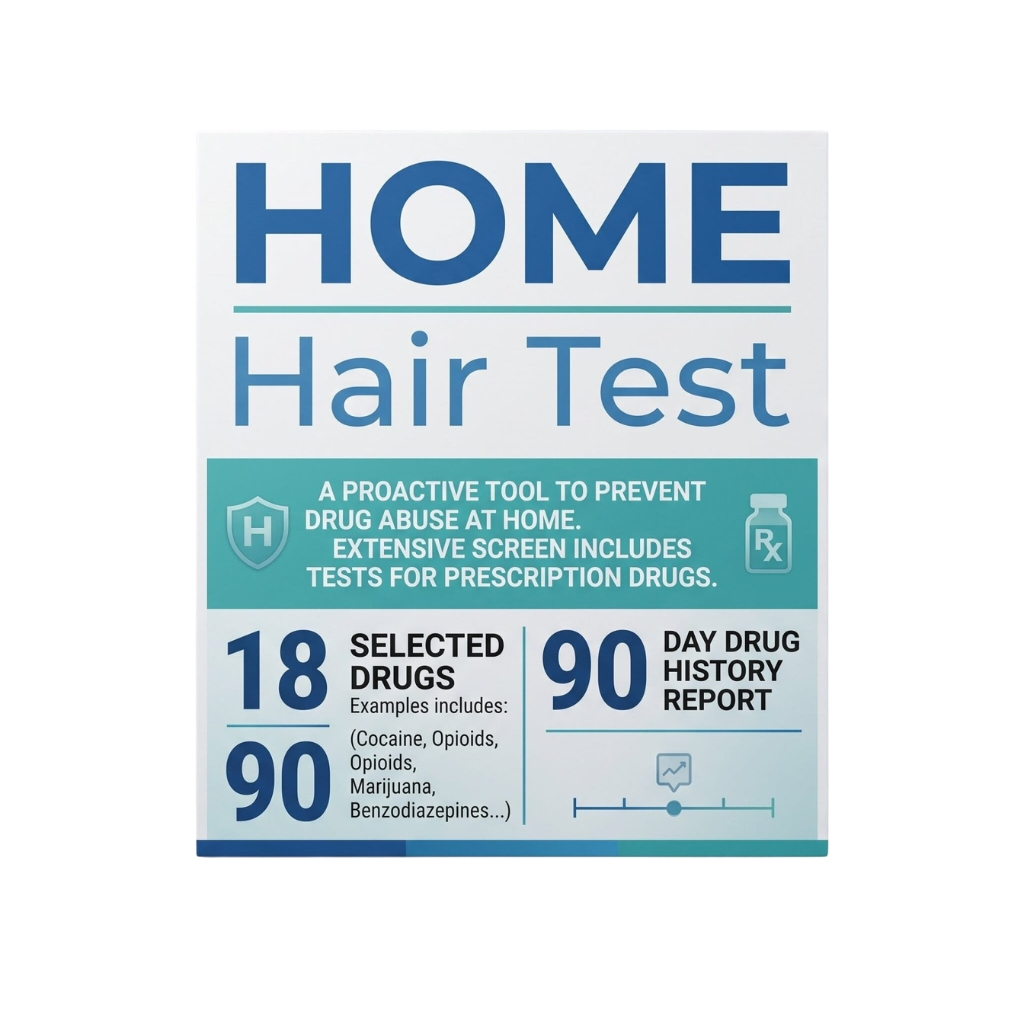
If you want to know where you stand, an at-home hair follicle test kit can help you plan your timeline. Use it as a planning tool, since a lab test works differently.
What the research says about washing hair
People ask whether washing hair changes a test at all. The published lab work gives a clear picture of what shampoos and hair products can do.
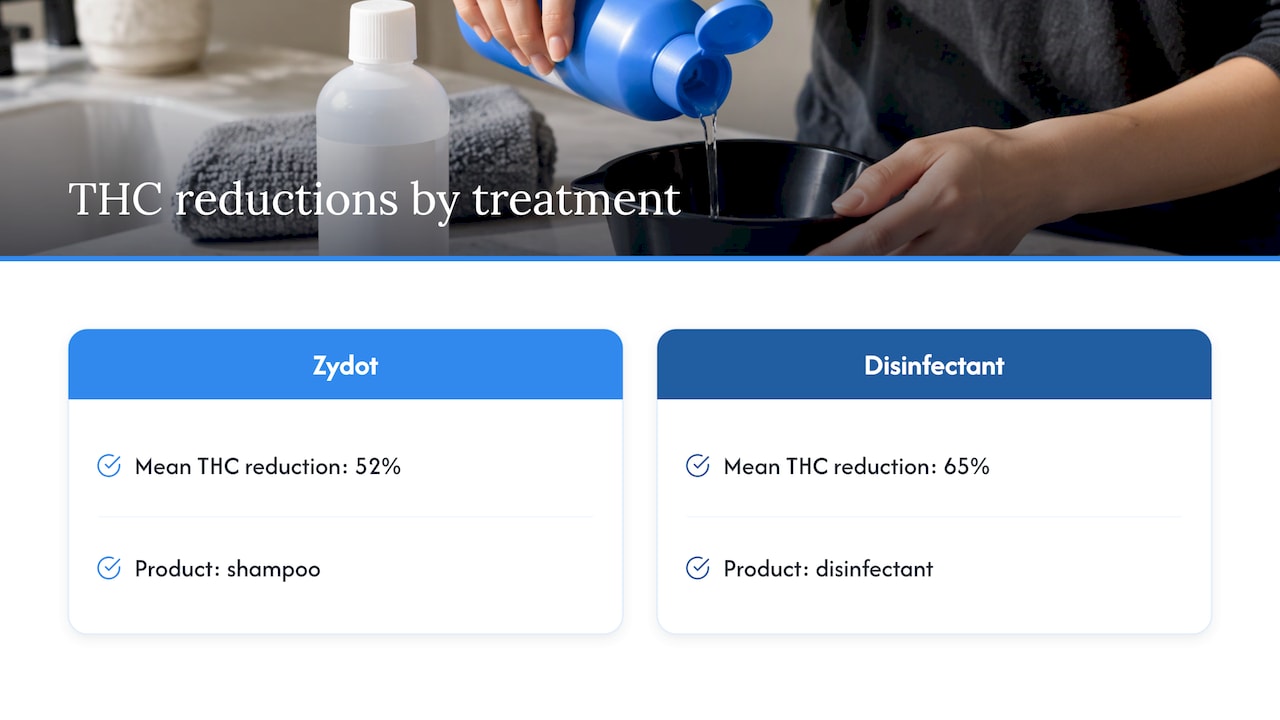
In a 2022 study by Bertges and colleagues, 54 THC-positive hair samples were treated with a range of commercially available products. Mean THC reductions ran from 52% for Zydot shampoo to 65% for a disinfectant, and some treatments brought concentrations below the detection limit. The authors concluded that everyday hair-care products can lower THC in hair and sometimes make it undetectable.
A 2023 review of sample manipulation describes repeated washing and cleansing shampoos as methods that aim at forced wash-out, and notes that the effect depends on the drug, its starting concentration and the properties of the hair. The same review cites work in which everyday products such as vodka, disinfectants or hair tonics reduced THC in hair in similar ranges to special detox shampoos.
The lesson for your preparation is that results vary by hair and by dose, and that a routine beats a single wash. That is the reason our method uses a schedule and personal guidance instead of one bottle used once.
What labs do on their side
Labs also wash hair before analysis. Psychemedics says this step removes external contamination so that results reflect use, and that shampoo cannot reach deep enough into the shaft to remove substances built in during growth. This is why prep should be started early, and why you should treat the plan as a process rather than a quick fix.
One more reminder from the research: Recovered.org states that for hair, many alterations can reduce concentration but the extent varies, and that abstinence is the only way to be entirely certain to avoid a positive. We say it too. Heavy, long-term use leaves more to work with, and that is the situation where a personal plan helps most.
Timing: how your use history shapes the plan
| Your situation | What it means for the plan |
|---|---|
| Test is within a week | Your routine will be compressed. Get a consultation first so the schedule is built around your date. |
| Test in 2 to 3 weeks | A full phased routine, like the 10-day hair-first plan, fits comfortably. |
| Occasional, light use | Less in the hair to start with, but still follow the routine and keep exposure at zero. |
| Frequent, long-term use | Starts from a higher level. Plan the longest routine you can and ask for personal support. |
| Colored, bleached or treated hair | Hair structure is altered. Do not change treatments mid-plan, and talk to us before you begin. |
The lab FAQ from Quest also warns that hair from other body sites cannot be tied to a reliable detection window. If you are thinking of switching to body hair, read our body hair test guide first.
Why drinks and home remedies are not the plan for hair
Hair does not behave like urine. Fluids you drink act on your body over days, while a hair test reads what has been built into the strand. That is why our page on detox drinks and hair tests says not to rely on drinks for a hair screening, and why our comparison of natural detox and product protocols favors a structured, product-based routine when time is short.
Healthline describes a homemade mask of bentonite clay, apple cider vinegar and aloe vera, left on for 20 to 30 minutes. It presents this as cleansing for buildup and calls its value for drug tests inconclusive. For a drug test, you want a structured shampoo routine with clear timing and support.
Perspective: how we think about hair prep
We have worked on drug test preparation for more than 20 years, and hair tests are where we see the most confusion. People hear “90 days” and assume nothing can be done, or they grab a bottle and wash once the night before. Neither fits what the Macujo Method is built for.
Our view is that hair prep is a process. You need a plan that starts from your test date, a shampoo designed for the job, a repeatable wash routine and someone to ask when your hair or timeline does not fit the standard case. That is why we pair Macujo Aloe Rid Shampoo with step-by-step video instructions, the wash calculator and unlimited consultations until you pass your test.
The people who feel most confident on test day are the ones who started early, followed the schedule without improvising and asked questions along the way. We would rather answer ten questions before your test than hear about a mistake afterward.
Detox Experts
Ready to start your hair routine?
If your test is coming up, the quickest way to begin is with the product and plan built for hair. Our Macujo Aloe Rid Shampoo and the other hair test products come with the Macujo Method instructions. If you want a plan fitted to your hair and date, book a private consultation with Mike Macujo.
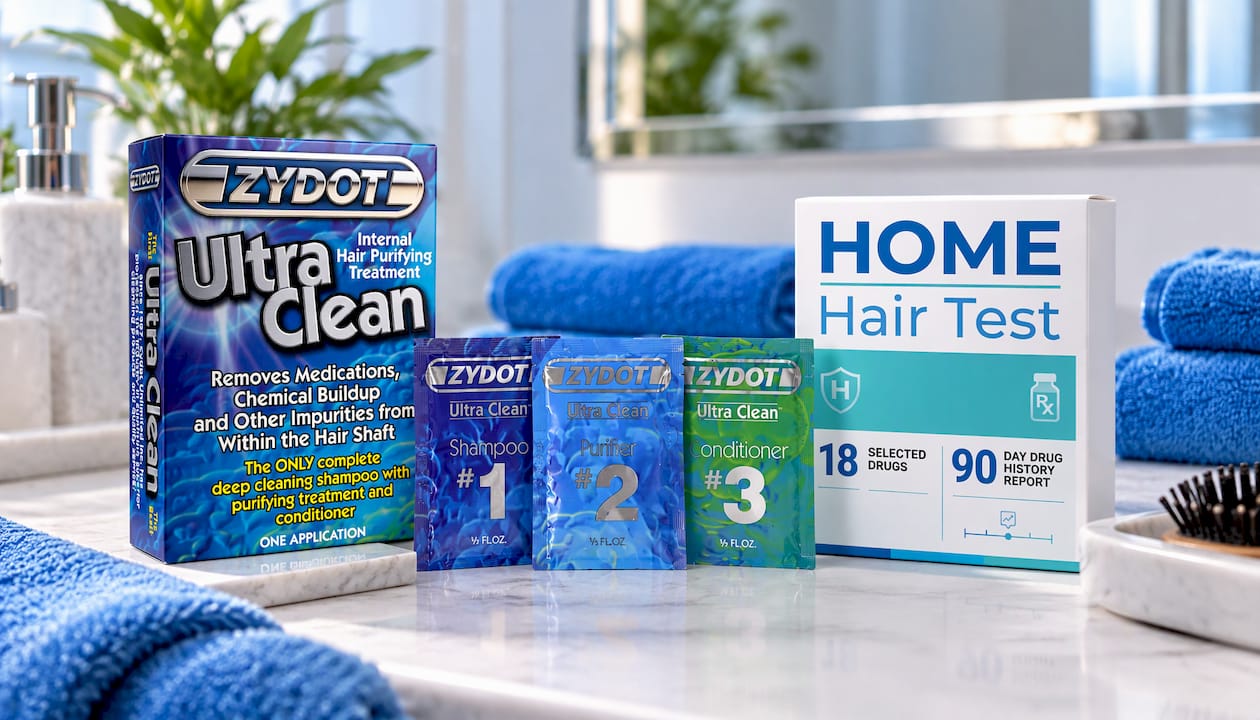
Prefer to compare options first? Our guide to the best hair drug test shampoo walks through what to look for, and the Zydot Ultra Clean Shampoo is available as a single bottle or as a 3-pack if your routine calls for more washes.
What about urine and saliva tests?
Hair is only one of the tests you might face, and each works on a different timeline.
- Urine: The goal is to prepare for the test window with the right products and timing. Labs look at validity checks too. Recovered.org notes that dilution can be flagged through creatinine or specific gravity, so the approach matters. Our urine range and support cover this.
- Saliva: These tests have a short detection window, so preparation is about the hours before the test. Our saliva products, including detox mouthwash, are designed for that.
You can browse both on our main product page, and the consultation covers any test type. If you face more than one kind of test, tell us. The plan for each is different.
If you dispute or worry about a result
Hair results are not always the final word. The Drug Policy Alliance reports that hair tests frequently deliver false positives and false negatives for marijuana, and that confirmatory testing of another specimen such as saliva, urine or blood is needed in almost all circumstances. It also reports that hair tests have been legally ruled discriminatory against Black individuals because darker, denser hair and moisture-preserving treatments are linked to more false positives.
If you think a result is wrong, ask the employer or the testing program in writing about the retest and review process, and ask for confirmation on another specimen. For employment-law questions, speak with an employment attorney in your state.
A note on ordinary scalp detoxing
If your goal is simply to clear product buildup, that is a different job. Healthline notes that baking soda may remove oil and buildup but is not good for dry, processed or heat-damaged hair, and that you should avoid dyeing or bleaching and avoid products with sodium laureth sulfate or sodium lauryl sulfate during a cleanse. A clarifying shampoo and a gentle scrub a couple of times a month are the usual approach. That routine is for scalp care, not for a drug test.
FAQ
How do you detox your hair for a drug test?
Start as early as you can. Stop all exposure, keep hair care consistent and use a structured wash routine with a purpose-made shampoo such as Macujo Aloe Rid Shampoo. Follow the timing in the instructions. For a plan fitted to your hair and date, book a consultation.
How long does THC stay in hair?
A standard test uses about 1.5 inches of head hair, which represents roughly 90 days. Drugs take about 5 to 10 days to reach the scalp surface, so the newest days are not in the sample. Your own result depends on how often you used and on your hair.
Does shaving my head or dyeing my hair change the test?
Not in a simple way. Quest says normal bleaching or dyeing typically does not change the reporting category. If there is no head hair, labs may collect body hair, which has no reliable detection window. See our guides on dyeing and on shaved-head tests before you decide.
Can I use drinks or teas for a hair test?
Drinks and teas are built for urine tests. A hair test reads what was incorporated as the hair grew, so a hair-focused shampoo routine is the better match. Our detox drink guide explains the difference.
Is there a guaranteed way to pass?
Only abstinence is entirely certain, and early preparation is the next best step. Our approach is to give you a structured routine and personal support, and we stay with you through unlimited consultations until you pass your test.
Sources
- Hair testing FAQ, Quest Diagnostics
- Review on Toxicology Testing in Hair, Journal of Applied Laboratory Medicine
- Marijuana Testing, Drug Policy Alliance
- Manipulation of THC Hair Concentrations by Commercially Available Products
- Advances in testing for sample manipulation in clinical and forensic toxicology
- Why Washing, Dyeing, and Styling Don’t Erase Drug History, Psychemedics
- Passing a Drug Test: Effective Detoxing and Myths Debunked, Recovered.org
- Hair Detox: 8 Methods, Healthline