


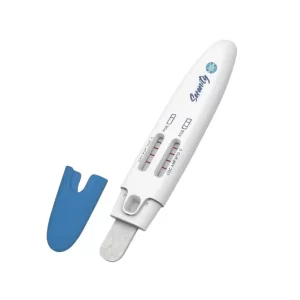
Opiates are among the most frequently screened substances in standard and comprehensive occupational drug panels. For individuals facing upcoming professional compliance, medical, or employment screenings, utilizing a home drug test for opiates provides a crucial baseline of personal readiness. Understanding how these at-home kits function, how to interpret their results, and knowing when a positive preliminary result necessitates looking into rapid detoxification strategies can help individuals manage short-notice testing deadlines.
How Home Opiate Drug Tests Work
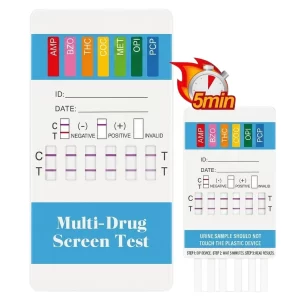
At-home drug testing kits typically utilize immunoassay technology—the same underlying science used in the initial screening phase by professional laboratories. When a urine sample is introduced to the test strip or cup, antibodies react to specific opiate metabolites (such as morphine or codeine). If the concentration of these metabolites exceeds the designated cutoff threshold (commonly 2,000 ng/mL, aligning with standard guidelines), the test registers a preliminary positive result.
Standard Detection Windows for Opiates
Opiates generally metabolize and clear from the system faster than fat-soluble substances. However, detection times still vary based on individual biology, dosage, and frequency of use:
• Urine Testing: Typically detects opiate metabolites for 2 to 4 days after the last use.
• Saliva (Oral Fluid) Testing: Generally captures exposure within a 1 to 2 day window.
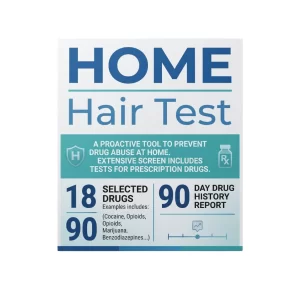
• Hair Drug Testing: Can evaluate historical, repetitive opiate use for up to approximately 90 days using a standard 1.5-inch scalp hair sample.
Situations Requiring a Look-Back to Rapid Detoxification
One of the primary reasons individuals utilize at-home opiate tests is to evaluate their status prior to an official laboratory screening. When a home test yields a positive result, and the official testing deadline is imminent, standard biological clearance is no longer a viable option. These time-sensitive situations frequently prompt individuals to look back at rapid detoxification methods:
- Short-Notice Employment Screenings: Discovering a positive home test just days before a mandatory pre-employment panel requires immediate evaluation of specialized flushing protocols and hydration routines.
- Unexpected Compliance Audits: When random occupational testing is announced, at-home kits provide immediate feedback. A positive result in this scenario often necessitates the use of targeted rapid detox drinks or multi-step cleansing regimens to accelerate the removal of temporary trace metabolites.
- Hair Test Preparation: While at-home urine kits do not test hair, individuals who know they have recent opiate exposure often evaluate rapid detoxification strategies, such as the Macujo Method, to address deep-seated residues trapped within the keratin of the hair shaft before an advanced lab screening.
Evaluating At-Home Test Results
Proper interpretation of a home opiate test dictates the next steps in preparation:
• Negative Result: Suggests that opiate concentrations are below the cutoff level, indicating a strong probability of passing an initial laboratory screen (provided the official lab uses identical cutoffs).
• Positive Result: Indicates active metabolite presence. In these scenarios, passive waiting is insufficient if the official test is within 24 to 48 hours, making the integration of rapid detoxification products or thorough cleansing procedures a standard next step for many individuals.
Frequently Asked Questions
Q: Can eating poppy seeds cause a positive home opiate test?
A: Yes, consuming large quantities of unwashed poppy seeds can sometimes trigger a preliminary positive result. However, modern professional laboratories utilize raised cutoff levels and advanced GC-MS confirmation testing specifically to differentiate between dietary ingestion and actual opiate consumption.
Q: Are home opiate tests as accurate as laboratory tests?
A: Home tests are highly accurate for initial screening (immunoassay) and provide a reliable baseline. However, they do not utilize the advanced spectrometry (GC-MS/LC-MS/MS) that laboratories use to confirm positive results down to exact chemical compounds.
Q: If I fail a home test, will rapid detox guarantee I pass the official one?
A: No method provides a 100% guarantee due to varying metabolisms and strict lab standards. However, rapid detoxification routines are frequently utilized by those attempting to manage metabolite levels when natural clearance time is unavailable.