

Stop using the substance and let time do its work. Confirm exactly which test you are taking, since urine, saliva, hair, and blood all carry different rules. Bring a government-issued photo ID and any paperwork the tester requires. Skip the urge to load up on water beforehand, and tell the collector about any prescriptions or supplements before the sample gets flagged.
TL;DR:
- Arrive with a normal hydration level, avoid over-drinking water beforehand, and disclose any prescriptions or supplements to prevent false positives or invalid samples.
- Use scheduled appointments to streamline check-in, bring valid ID and documentation, and dress simply to adhere to collection site protocols.
- For urine tests, follow clean-catch procedures precisely and do not try to “save up” or dilute your sample to avoid retesting or invalid results.
- Understand that saliva tests detect recent use within one to two days, hair tests reveal use over months, and blood tests are for specific cases with strict preparation instructions.
- Attempting to tamper or over-hydrate on short notice often results in failed or inconclusive tests due to lab safeguards against dilution and adulteration.
Table of Contents
- How to Prepare for a Drug Test at the Collection Site
- How to Prepare for a Urine Drug Test the Right Way
- Saliva, Hair, and Blood Tests: How Preparation Differs
- Your Test-Day Checklist: IDs, Timing, and What to Wear
- Short-Notice Testing and Why Tampering Backfires
- What Happens After a Positive Result
- PassUSA’s Approach to Test-Type Specific Preparation
- What I’ve Learned Helping People Get Ready for Test Day
- Get the Right Product for Your Specific Test
- Sources
How to Prepare for a Drug Test at the Collection Site
Collection sites run on structure, not guesswork. Most professional testing locations offer scheduled appointments, and booking one usually shortens your wait time compared with walking in during a busy stretch. If your employer or testing agency gives you a choice, take the appointment slot over the walk-in line.
Check-in is straightforward but strict. You will show ID, confirm your identity against the authorization paperwork, and get verbal instructions from the collector before anything else happens. From that point forward, the process follows a chain-of-custody model: your sample gets labeled, sealed, and documented at each handoff so nobody can question later whether it was tampered with or mixed up with someone else’s.
That is also why collection rooms look the way they do. Collectors often remove soap from the sink, tape down or shut off extra faucets, and in some settings dye the toilet water blue so a donor cannot use standing water to dilute a sample. None of this is personal. It is standard protocol built to protect the result, whether the outcome favors you or not.
Expect these basics at nearly every site:
- A photo ID check against your appointment or referral paperwork
- Verbal instructions on where to go and what to avoid touching
- Restricted restroom access (no purses, bags, or coats near the collection area)
- A sealed, labeled specimen with your signature confirming the seal was intact
- Documentation logged immediately for chain-of-custody purposes
If a collector asks you to leave a coat or bag outside the restroom, it is not an accusation. It is the same procedure applied to every donor that day.
How to Prepare for a Urine Drug Test the Right Way
Urine remains the most common sample type for employment and legal testing, and it is also the test where people make the most avoidable mistakes. The biggest one: drinking a gallon of water beforehand thinking it helps. It does not help. It usually backfires.
Pro Tip: Arrive normally hydrated, the way you would on any regular day. Overloading on fluids right before your appointment can dilute the sample enough that the lab flags it as invalid, and you may get sent back for a retest under closer observation.
Here is a simple sequence to follow:
- Drink water at a normal pace throughout the day, not in one rush before check-in.
- Use the restroom normally if you need to, but don’t try to “save up” or force yourself to hold a full bladder for hours.
- Follow the clean-catch instructions if given: wash your hands, avoid touching the collection cup rim, and collect midstream rather than the very first flow.
- Tell the collector or write on your intake form about any prescriptions, over-the-counter drugs, or supplements you have taken recently.
- If CBD products are part of your routine, mention that too. Some CBD items contain trace THC that can register on a screen.
Certain foods and medications cause confusion during screening. Poppy seeds, for instance, have a well-documented history of triggering preliminary positives for opiates on immunoassay tests. This is exactly why disclosure matters. It gives the Medical Review Officer something to check against if your screen comes back non-negative.
If you genuinely cannot produce a sample right away, most collectors will give you time and a monitored amount of fluid to try again, rather than failing you outright. Panic does not help here. Neither does chugging a water bottle in the waiting room.
Saliva, Hair, and Blood Tests: How Preparation Differs
Not every test works like urine screening, and treating them all the same is a common mistake.
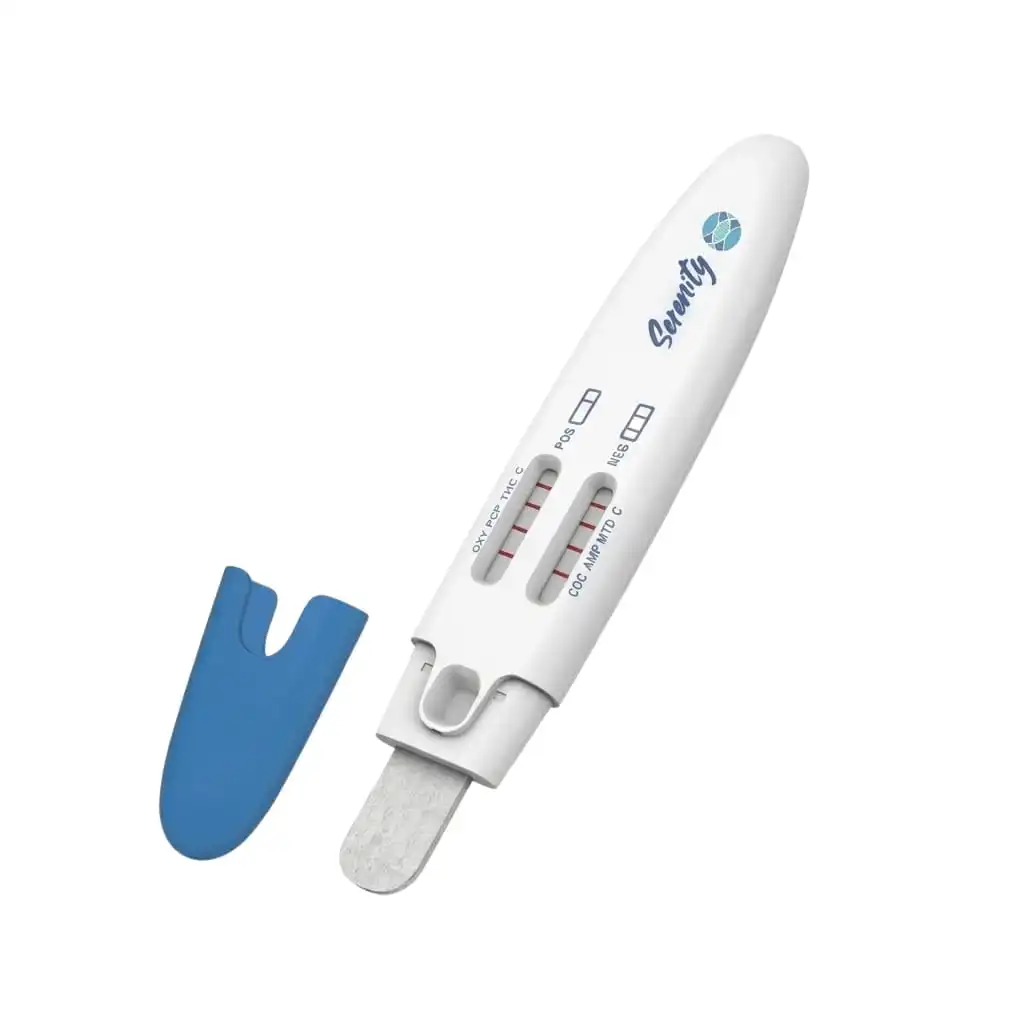
Oral fluid (saliva) tests cover the shortest window of any method, often just a day or two for most substances. Collection is observed directly, since there is no private restroom step involved. Avoid mouthwash, mints, and food for at least 10 to 15 minutes before your appointment, since anything in your mouth can interfere with the swab.
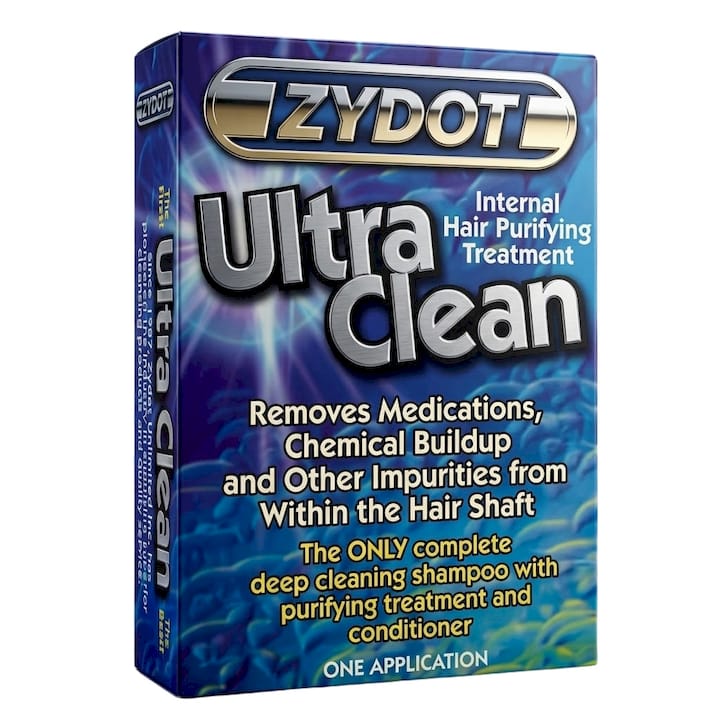
Hair follicle tests work on the opposite end of the timeline, sometimes detecting use going back several months depending on hair length. This is where product-based approaches, like specialized purifying shampoo treatments, get discussed most often, since hair holds residue in a way urine and saliva simply don’t. Chemical treatments, dyes, and how recently you’ve had a haircut can all factor into how a lab interprets the sample.
Blood tests are used less frequently for standard screening, mostly reserved for specific medical, legal, or post-accident situations. They carry the narrowest detection window of the four. If you’re ordered to take one, the preparation instructions come directly from the ordering provider or clinic, and you should follow those exactly rather than general drug test advice.
A few things hold true across all four sample types:
- Detection windows shift based on the specific drug, not just the category it falls into.
- Frequency of use changes clearance time dramatically. Occasional users clear faster than regular users.
- Body composition, metabolism, and hydration levels all play a role in how long a substance stays detectable.
- Lab sensitivity settings (the cutoff levels used) affect what counts as a positive result.
There is no single number that applies to everyone, which is exactly why abstinence and time remain the two variables you can actually control.
Your Test-Day Checklist: IDs, Timing, and What to Wear
Most testing problems on the actual day come down to administrative slip-ups, not chemistry. A missing ID or a forgotten form can push your appointment back or force a reschedule.
Bring these items without exception:
- A valid, government-issued photo ID (driver’s license, passport, or military ID)
- Any appointment confirmation, referral slip, or employer authorization paperwork
- A list of current prescriptions and dosages, especially if you’re taking anything that could show up on a panel
- Insurance or billing information if your test is not employer-paid
On clothing: keep it simple. Skip bulky coats, hats, or oversized accessories, since some collection sites ask you to leave those outside the immediate collection area as part of restricted-access rules. Layers are fine. A giant winter coat with a dozen pockets just slows down check-in.
Timing matters more than people expect. Arrive with a buffer, but don’t show up after skipping meals all day or deliberately dehydrating yourself, thinking it will somehow change your result. It won’t help your levels, and it can actually make producing a sample harder.
If you take prescription medication, say so before the test starts, not after a flagged result comes back. The Medical Review Officer reviewing your screen needs that information early to properly evaluate anything unusual, and volunteering it upfront looks a lot better than explaining it after the fact.
Short-Notice Testing and Why Tampering Backfires
Getting a same-day or next-day test notice sends most people straight into panic mode, searching for a fast fix. The problem: fast fixes tend to create bigger problems than the one they were supposed to solve.
Over-hydrating is the most common short-notice mistake. Drinking excessive water to “flush” your system before a urine test frequently produces a dilute result, which labs treat as inconclusive rather than passing. A dilute result often triggers a retest, sometimes under directly observed conditions, which is a worse outcome than the original test would have been.
Labs are also built to catch tampering, not just detect substances. Validity panels check creatinine levels and specific gravity, and adulterant screens flag anything unusual added to the sample. Around 76% of workplaces that conduct testing report using some form of validity checking on submitted samples, which means a diluted or altered sample rarely slips through unnoticed.
What actually helps on short notice:
- Screening yourself at home first with an accurate testing kit so you know where you stand before the real appointment
- Keeping fluid intake normal, not extreme in either direction
- Pulling together documentation for any prescriptions or supplements now, rather than scrambling later
- Being upfront with the collector about anything unusual in your recent diet or medication use
Attempting to substitute or tamper with a sample carries real consequences, including a “refused to test” designation in many employment settings, which is often treated the same as, or worse than, a confirmed positive.
What Happens After a Positive Result
A positive screen is not automatically the final word. Initial immunoassay screens are fast but imprecise, so labs follow up with confirmatory testing using GC-MS or LC-MS methods, technologies that identify the exact substance and rule out cross-reactivity from foods or medications.
Here’s the typical path after an initial positive:
- The lab runs a confirmatory test on the same sample using GC-MS or LC-MS.
- A Medical Review Officer reviews the confirmed result along with any medical documentation you’ve submitted.
- If you have a valid prescription or a reasonable explanation (like recent poppy seed consumption for an opiate flag), you provide that documentation directly to the MRO.
- The MRO makes a final determination, which can take anywhere from a day or two to about a week depending on the lab and the substance involved.
This is exactly why disclosing medications and supplements at intake matters so much. A documented false positive from a legitimate prescription resolves far faster when the paperwork is already on file.
PassUSA’s Approach to Test-Type Specific Preparation
Many companies have spent years helping people navigate hair, urine, and saliva screenings with product-specific guidance rather than one-size-fits-all advice. Different sample types call for different tools:
- Saliva screenings respond best to timing and short-window awareness, which is why an at-home oral fluid screening test helps people check status before a real appointment.
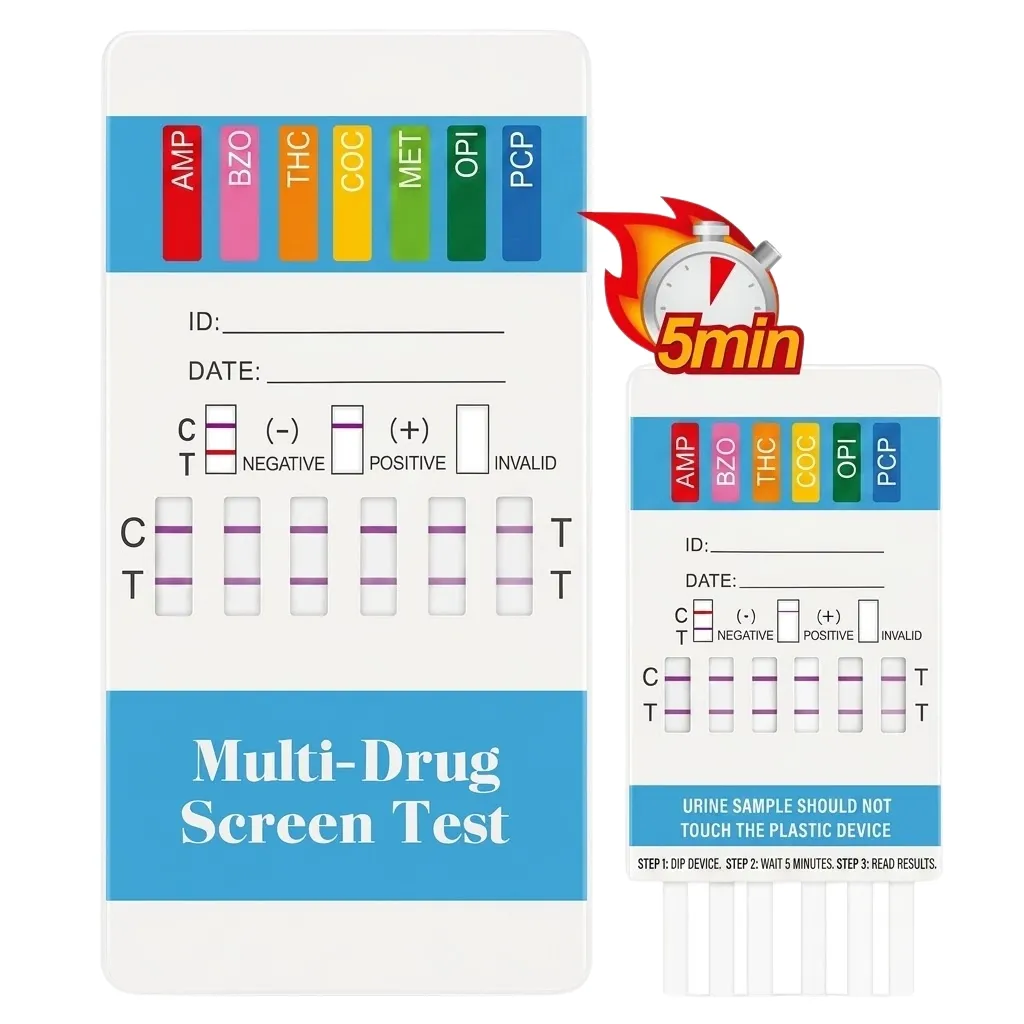
- Urine tests benefit from self-checking with a clinical-grade dip card before a formal lab visit.
- Hair follicle concerns are where purifying shampoo treatments, like the Zydot Ultra Clean formula, get used most, given how long hair retains residue compared to other sample types.
None of this replaces the fundamentals. Time and abstinence still do the heaviest lifting. Products work best as a supplement to good preparation, not a replacement for it, and PassUSA’s consultations exist specifically to walk people through which option actually fits their situation and timeline.
What I’ve Learned Helping People Get Ready for Test Day
People assume the trick is some clever product or hack. It rarely is. The people who come through this process cleanest are the ones who are honest with the collector about medications, who show up prepared with the right documents, and who don’t try to outsmart a system built specifically to catch exactly that kind of shortcut.
If you want product-specific help for your test type, a consultation team can walk you through the options that actually fit your timeline.
— MIchael
Get the Right Product for Your Specific Test
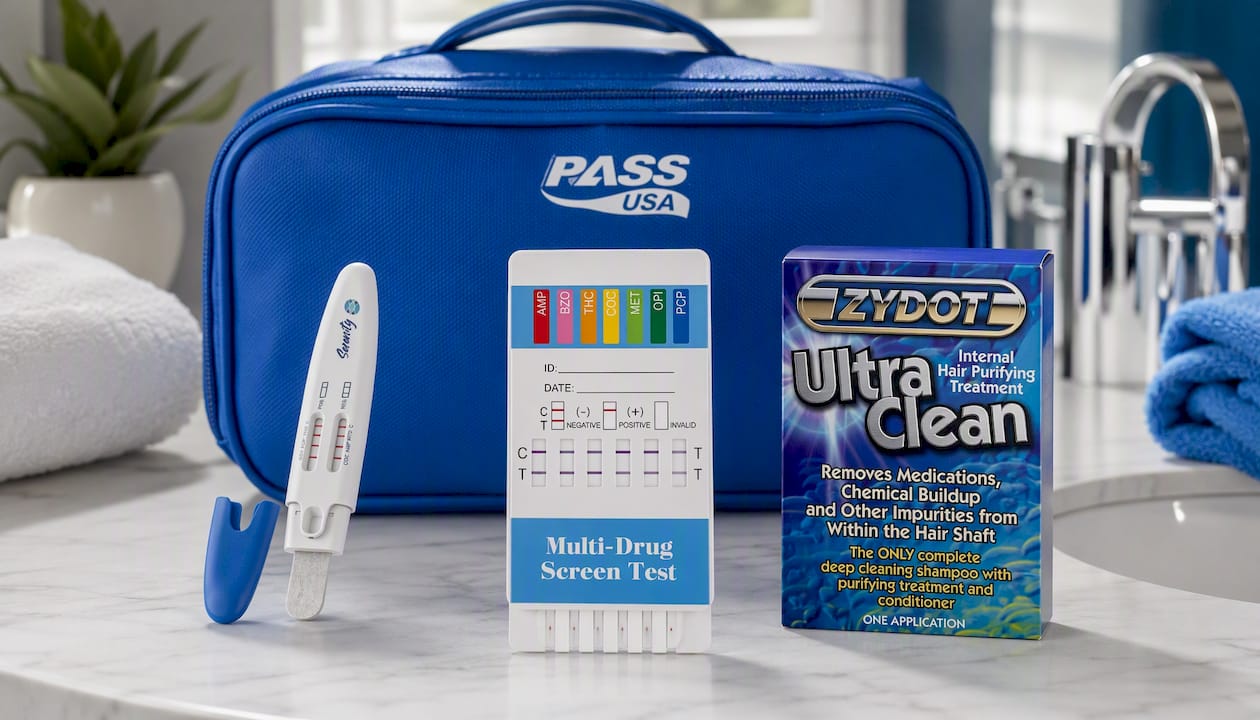
PassUSA built its product line around one idea: different tests need different tools, not a single generic detox drink. For a saliva screening, the oral fluid saliva test lets you check your status at home before an appointment. For urine screenings, the 13-panel dip card covers a full panel, including fentanyl, so you know where you stand before a lab visit. For hair follicle concerns, the Zydot Ultra Clean shampoo is a purifying hair treatment built around the Macujo Method that PassUSA has refined for over two decades.
Some products ship with instructions and may be supported by personal consultations for anyone who wants to talk through their specific timeline, hair type, or test history before making a purchase. If you’re facing an upcoming test and want a plan tailored to your situation, start with a consultation or browse the product lineup directly to find the right fit for your test type.
Sources
- What to expect at a drug test – Quest Diagnostics
- Understanding the employee drug testing experience | Labcorp
- Drug testing – MedlinePlus
- How to avoid a diluted drug test – Yavapai County
- Urine specimen collection guidelines – U.S. Department of Transportation