

If your pre-employment drug screening is a hair test, start hair prep now with a Macujo Method routine centered on an Aloe Rid style detox shampoo, then confirm your results with an at-home hair test before you walk into the collection site. Hair testing looks back roughly 90 days and gets confirmed through ELISA screening followed by GC-MS analysis, so timing and thoroughness matter more than luck. If your test is urine or saliva instead, skip the hair routine and move straight to the short-notice checklist below.
TL;DR:
- Hair testing detects drug use over a 90-day window, requiring a thorough, repeated detox protocol, as single washes have limited impact on long-term metabolites.
- Using a Macujo Method with structured guidance and verifying results with an at-home test at least 24 hours before the collection can improve chances of passing a hair test.
- Abstaining for a few days before a hair test does little to conceal recent drug use due to the hair growth lag, making long-term preparation essential.
- For urine and saliva tests, verification with at-home kits is crucial, as these formats detect recent use within hours to days and are less influenced by long-term detox routines.
- No detox shampoo guarantees passing a GC-MS confirmed lab test, but consistent application and proper timing increase the likelihood of lowering detectable metabolites.
Table of Contents
- What Pre-Employment Drug Test Laws Mean for Hair Testing Prep
- How Does the Macujo Method Prepare Hair for Testing?
- Your Hair Prep Timeline Before Collection Day
- Short-Notice Urine and Saliva Testing Steps
- What We’ve Learned After 20 Years of Helping People Pass
- Prepare Smarter With Passusa’s Testing and Detox Products
- Sources
- FAQ
What Pre-Employment Drug Test Laws Mean for Hair Testing Prep
Pre-employment drug test laws don’t just set the rules for employers. They shape how much time you actually have to prepare, and hair testing is the format where that time matters most. Unlike urine or saliva, which capture a narrow recent window, a hair strand test is built to detect patterns of use stretching back months, which is exactly why it’s become a favorite for corporate hiring pipelines in fields like transportation, healthcare, and finance.
The lab process runs in two stages. First comes an ELISA screen, a broad chemical test that flags samples likely to contain drug metabolites. Any presumptive positive then goes through GC-MS confirmation, a more precise method that identifies the exact compound present and cuts down on false positives. This two-step system is standard across major U.S. labs, and it’s why guessing your way through a hair test rarely works.
Here’s what actually gets tested and how:
- Hair testing typically covers the prior 90 days of drug exposure, giving employers a long-range view urine simply can’t match.
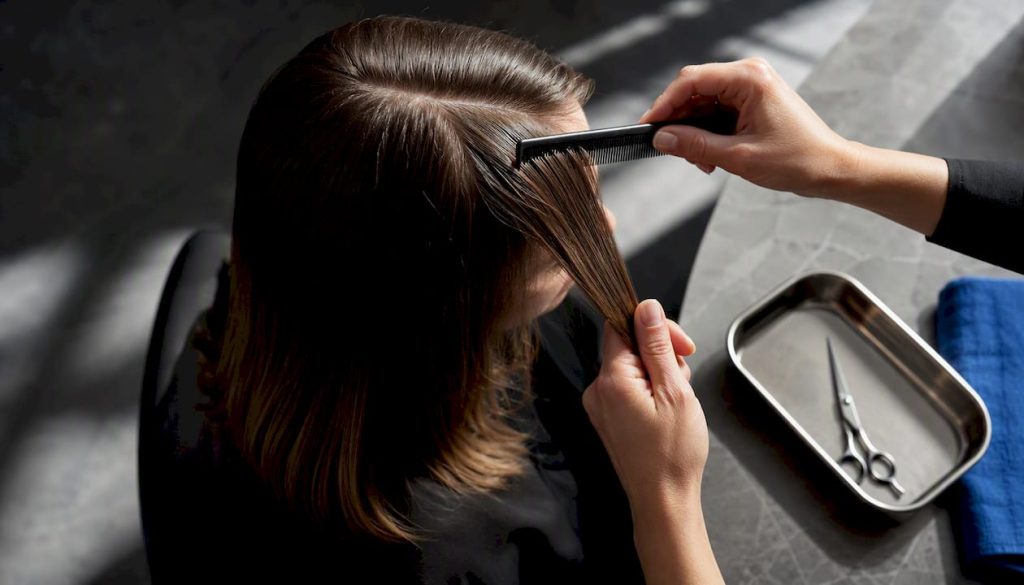
- Labs commonly collect about 100 mg of hair, or roughly 90 to 120 strands, usually cut close to the scalp.
- Hair grows slowly enough that there’s a short lag of several days between drug use and when it shows up in the hair closest to the scalp, meaning very recent use may not register at all.
- Because of that lag, quitting the day before your test does almost nothing for a hair screening, unlike urine.
- Collection sites follow chain-of-custody procedures, meaning your sample is documented, sealed, and tracked from cutting to lab result, which limits what you can do at the moment of collection itself.
Quest Diagnostics notes that hair testing exists specifically to evaluate long-term patterns rather than a single incident, which is exactly why abstinence alone rarely solves the problem in the time most job applicants get.
How Does the Macujo Method Prepare Hair for Testing?
The Macujo Method is a repeated, multi-step washing sequence designed to strip the hair shaft and cuticle in a way ordinary shampoo doesn’t touch. It typically combines a vinegar or acid rinse to open the cuticle, a detergent-based cleanser to break down oils, and a dedicated detox shampoo to work on residues embedded deeper in the shaft. The sequence gets repeated over several days rather than done once, because a single wash rarely reaches everything a 90-day window can accumulate.
There’s real evidence behind the concept, even if it isn’t universal. One published lab assessment found that a detox shampoo formulation substantially reduced levels of a hair metabolite compared to plain water washing under controlled conditions. That doesn’t mean every product works the same way on every person, but it does mean the underlying idea, that the right shampoo chemistry can alter what a follow-up test detects, holds up under scrutiny.
This process benefits from structured guidance rather than guesswork:
- A consultation to match your hair type, usage history, and test timeline to the right product combination.
- A step-by-step wash schedule instead of a vague “use this shampoo” instruction.
- Ongoing support until you’ve passed your test, not a one-time purchase and goodbye.
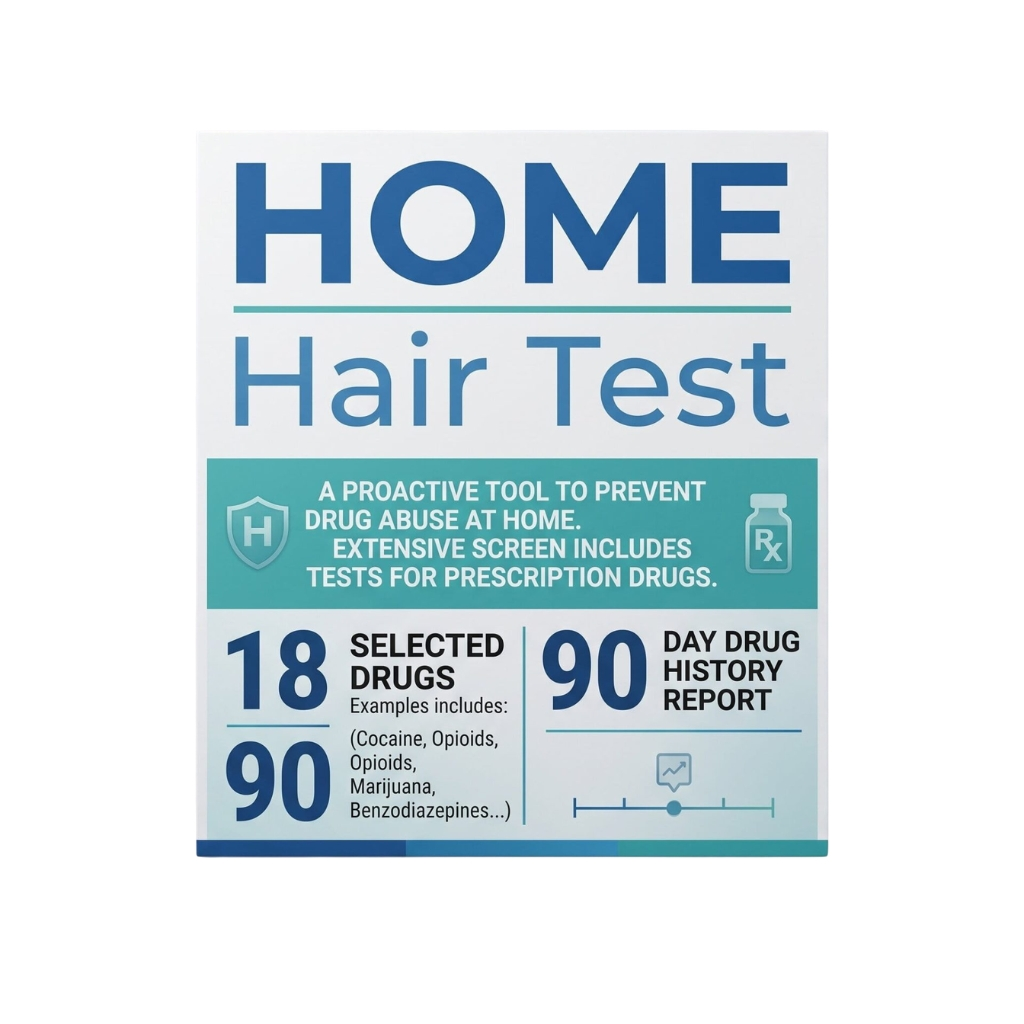
Be realistic about limits. No shampoo, including Aloe Rid, can guarantee a specific lab outcome, because GC-MS confirmation is precise and individual biology varies. Follow product instructions exactly, avoid scalp irritation from over-washing, and always verify your results with an at-home hair follicle drug test kit before your official appointment.
Pro Tip: Run your at-home verification test at least 24 hours before your scheduled collection. That gives you time to repeat a wash cycle if the result isn’t where you need it to be.
Your Hair Prep Timeline Before Collection Day
Preparation works best on a schedule, not a single frantic night. Here’s how to structure the days you have left:
- 7+ days out: Begin your Macujo-style wash cycle daily, working through the acid rinse, detergent, and detox shampoo sequence in that order. Store products at room temperature and follow the label timing for each step, since rushing the process undercuts what it’s designed to do.
- 3 days out: Run an at-home hair test to check progress. If results still show a concern, repeat the full cycle rather than switching products midstream.
- 24 hours out: Do a final wash cycle, then let hair air dry naturally rather than using heat, which can affect the shaft you just treated.
- Collection day: Arrive with clean, dry hair and any documentation you need, including proof of a valid prescription if you’re taking a medication that could otherwise flag on a panel.
A few practical notes matter just as much as the sequence itself:
- Bring your at-home test results with you mentally as a confidence check, not as paperwork to hand over.
- If a prescription drug is part of your history, disclosing it properly before testing protects you legally in a way that hoping it goes unnoticed does not.
- Supervised collection means someone may observe the hair cutting itself, so any prep needs to happen before you arrive, not during.
- If you get a nonnegative screening result, know that confirmation testing exists specifically to catch and correct false positives before anything becomes final.
Short-Notice Urine and Saliva Testing Steps
Urine and saliva tests operate on a completely different clock. Urine generally detects use within a matter of days, though chronic, heavy cannabis use can extend that window considerably. Saliva, or oral fluid testing, is even tighter, typically catching use within hours to about 48 hours.
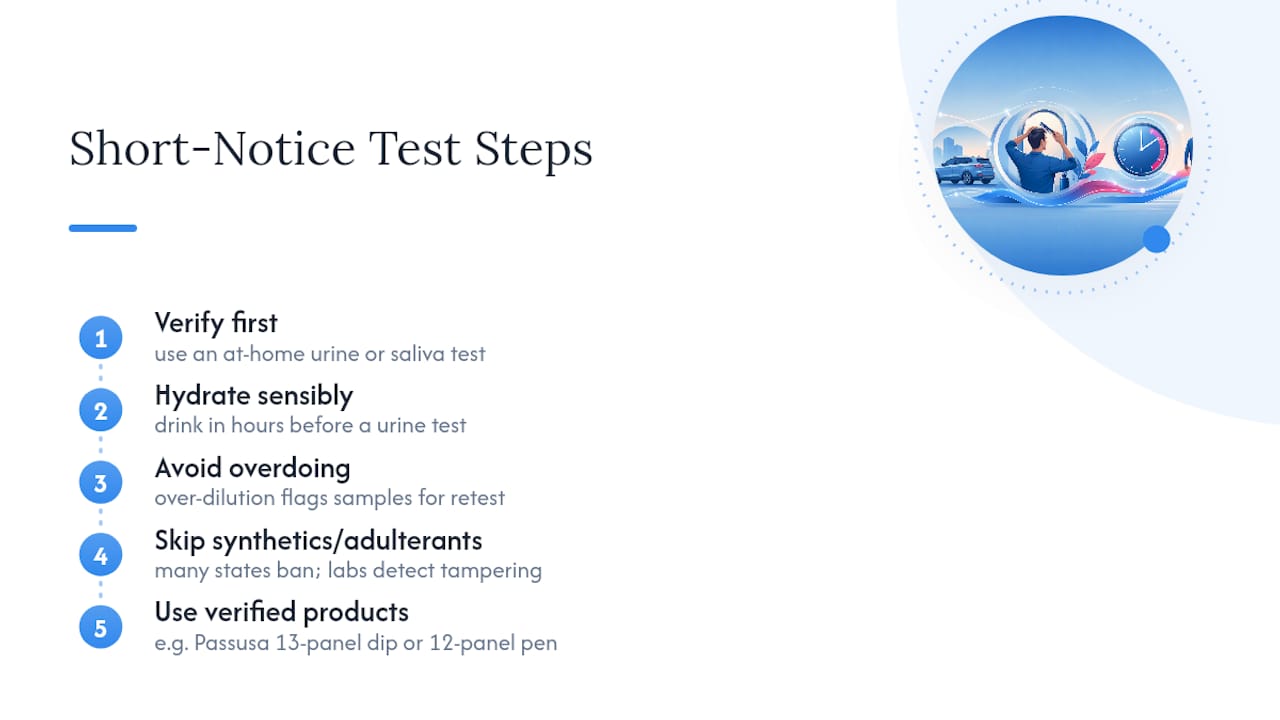
With less lead time, your best move is verification first. An at-home urine or saliva test tells you where you actually stand before the real one does. Hydrate sensibly in the hours before a urine test, but avoid overdoing it. Labs routinely flag samples that are too diluted, which can trigger a retest or raise questions you don’t want raised.
Skip synthetic urine or adulterants entirely. Beyond the legal risk in many states, modern collection sites test for temperature, creatinine, and pH specifically to catch tampering. A verified product like Passusa’s 13-panel urine dip card or 12-panel saliva pen gives you a real answer instead of a risky guess.
What We’ve Learned After 20 Years of Helping People Pass
Realistic expectations beat wishful thinking every time. After two decades and thousands of customer conversations, the pattern we see most often isn’t a bad product choice, it’s a compressed timeline paired with skipped verification. People who run an at-home test before their real one walk in with actual information instead of hope. That single step changes outcomes more than any single product does. If your timeline feels tight or your situation doesn’t match the standard scenario, a quick consultation beats guessing your way through it.
— Detox Experts
Prepare Smarter With Passusa’s Testing and Detox Products
Passusa built its product line around one goal: giving you a real answer before the official test does. Whether your screening is hair, urine, or saliva, verification first means fewer surprises on collection day.
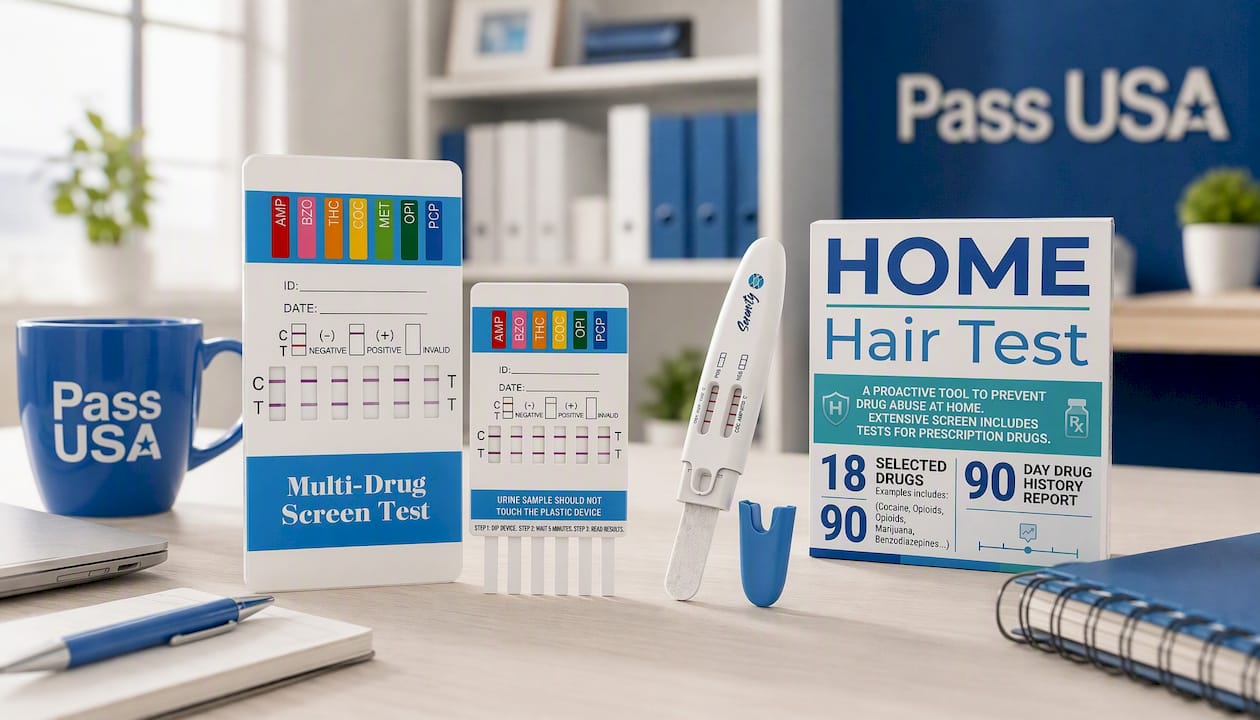
For hair tests, the At-Home Hair Follicle Drug Test Kit lets you confirm your Macujo and Aloe Rid prep worked before you’re sitting in front of a collector. If urine is your test, the 13-Panel Urine Drug Test Dip Card covers a clinical-grade panel including fentanyl, giving you lab-comparable feedback at home. For fast-turnaround saliva screenings, the 12-Panel Oral Fluid Saliva Test delivers rapid pen-style results in minutes.
Every purchase comes with access to Passusa’s consultation support, built on 20-plus years of experience matching products to real situations, plus a commitment to keep helping until you pass. Pick your test type, order the matching kit, and get your answer today.
Sources
Claims in this guide draw on lab methodology pages from LabCorp and Quest Diagnostics, health reporting from Medical News Today, and a peer-reviewed shampoo efficacy assessment from Analytical Science.
- Hair follicle drug test: How it works, what to expect, and accuracy
- Hair follicle drug testing: LabCorp
- Detox shampoo drench deceives drink test — Analytical Science
- Hair testing – FAQ — Quest Diagnostics
FAQ
How Far Back Does a Hair Follicle Test Detect Drug Use?
Hair testing generally covers about 90 days of history, since labs typically collect 100 mg of hair close to the scalp. That’s far longer than urine or saliva, which is why hair tests catch patterns that recent abstinence alone won’t hide.
Does Quitting a Few Days Before a Hair Test Help?
Not much. Hair grows slowly enough that there’s a 5 to 7 day lag before recent use even shows up near the scalp, so very recent abstinence has limited effect on a 90-day hair panel.
Can a Detox Shampoo Actually Change Hair Test Results?
Some formulations have shown real reductions in certain metabolites under controlled lab testing, though outcomes vary by product and application. Passusa’s Macujo-based routine with Aloe Rid shampoo is built around consistent, repeated application rather than a single wash, and verifying with an at-home test remains the only way to know where you stand.
What’s the Difference Between Hair, Urine, and Saliva Detection Windows?
Hair covers roughly 90 days, urine covers a matter of days to a few weeks for chronic use, and saliva covers hours up to about 48 hours. Each format calls for a different prep strategy, which is why matching your approach to your specific test type matters more than following one generic plan.