


Abstinence and time are the only approaches that reliably work for a probation drug test pass, and no shortcut changes that math. For hair tests specifically, a Macujo-style regimen using products like Aloe Rid can help strip surface residue and prepare the hair shaft before a test, which is the closest thing to a legitimate non-time strategy available. Observed collections and specimen validity testing catch most tampering attempts. Stop use immediately, confirm which test your probation officer will use, and self-test at home before the real one.
TL;DR:
- Hair follicle tests detect roughly 90 days of drug use, making short-term abstinence ineffective for passing unless a targeted cleansing routine is used.
- Specimen validity tests comprehensively check for sample authenticity, meaning adulterants or dilution tricks often trigger automatic re-collection or invalid results.
- Urine tests are the most common, but saliva and hair tests have longer detection windows, especially hair, which requires consistent chemical cleansing efforts upfront.
- The Macujo Method involves multiple steps to chemically open the hair cuticle and strip residues, with self-testing recommended to verify effectiveness before test day.
- Abstinence remains the only guaranteed foolproof strategy for probation drug tests, as attempts to cheat carry significant risks of detection and violations.
Table of Contents
- What Kind of Drug Test Does Probation Actually Use?
- How Long Do Drugs Stay Detectable in Your System?
- Why Specimen Validity Testing Catches Most Tampering Attempts
- The Macujo Method: A Real Plan for Hair Follicle Tests
- Getting Ready for a Urine or Saliva Test the Safe Way
- What Happens After a Positive or Invalid Result
- Your Pre-Test Checklist: 7 Days, 48 Hours, and Day-Of
- Why We Built This Around the Macujo Method
- The Uncomfortable Truth About “Passing” a Drug Test on Probation
- Ready to Prep? Here’s Where to Start
- Sources
- FAQ
What Kind of Drug Test Does Probation Actually Use?
Probation officers pick the test based on what the court wants monitored, how much budget the department has, and how far back they need to look. Urine remains the default because it is cheap and fast. Hair and saliva show up more often for specialized cases like DUI probation, drug court, or repeat offenders where officers want a longer look-back window.
Here’s how the main categories break down:
- Urine tests (5, 10, or 13-panel): The standard choice. A 13-panel dip card, like the kind used in clinical settings, screens for a wider range of substances including fentanyl, which has become a bigger part of probation testing panels in recent years.
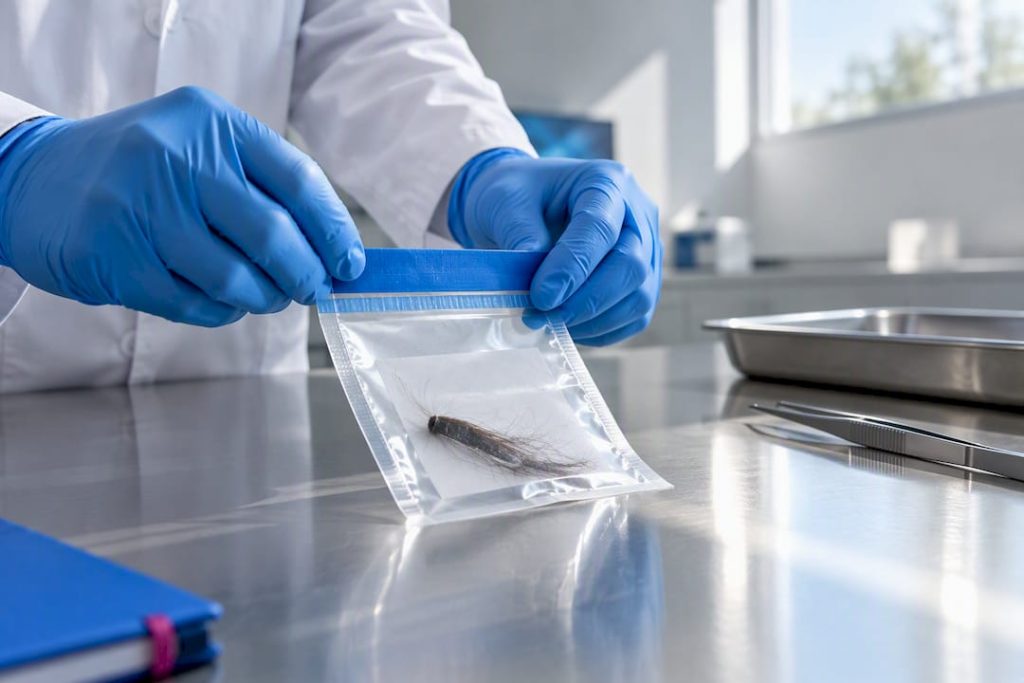
- Hair follicle tests: Less common day-to-day, but standard for programs monitoring longer-term compliance or after a violation. Detection windows stretch back roughly 90 days, which makes hair the toughest test to influence quickly.
- Oral fluid (saliva) tests: Increasingly popular because they’re hard to cheat through dilution and can be collected on the spot, sometimes without a bathroom at all.
- Breath alcohol tests: Common for DUI-related probation, checking for immediate impairment rather than historical use.
Collection procedure matters as much as the test itself. A monitored collection means someone waits outside the stall and checks the sample immediately, sometimes checking temperature. A directly observed collection, used when tampering is suspected or a prior sample came back invalid, means someone watches the entire process. If your officer has flagged a past sample or you’ve had a violation, expect the stricter version. Hair and saliva collections are inherently observed since there’s no private bathroom step to exploit, which is part of why probation departments increasingly lean on them.
How Long Do Drugs Stay Detectable in Your System?
Detection windows vary wildly by substance, frequency of use, and test type, and this is where most people misjudge their timeline. A single-use scenario and a daily habit produce wildly different numbers even for the same drug.
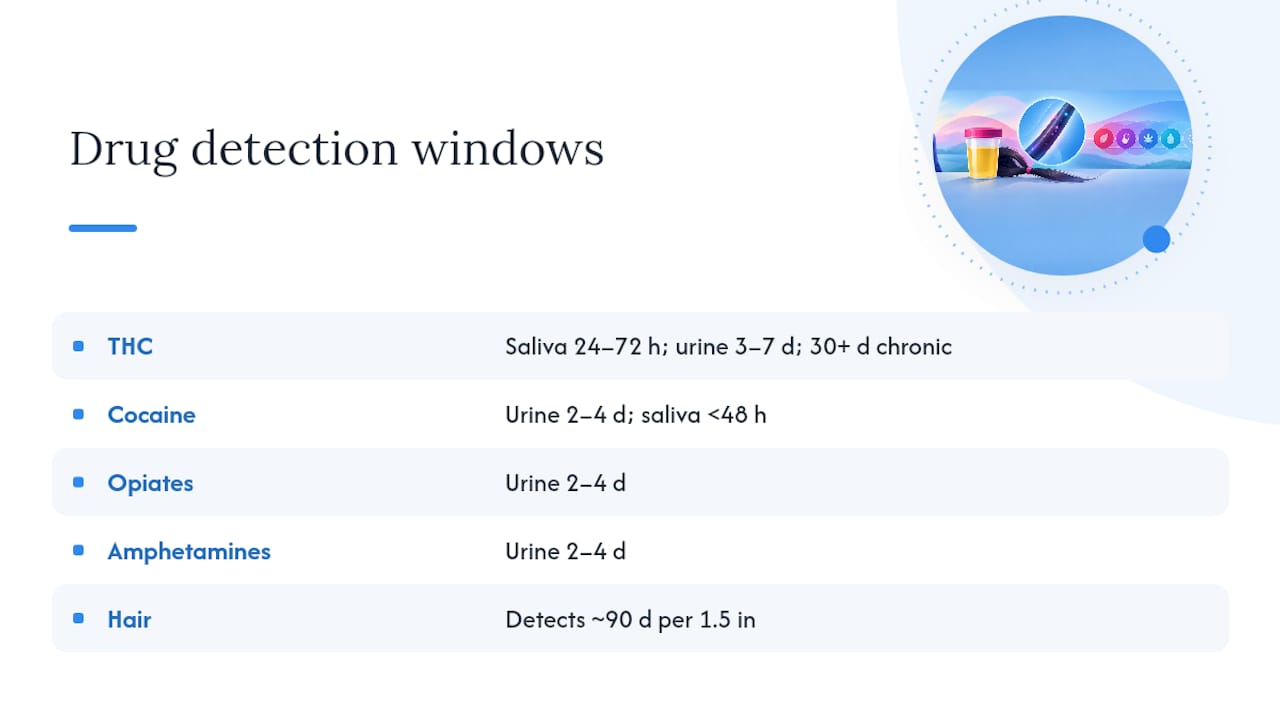
THC (marijuana): Saliva usually clears in 24 to 72 hours. Urine can show positive for 3 to 7 days for occasional users, but chronic, heavy users have tested positive after 30 days or more because THC metabolites store in fat tissue and release slowly.
Cocaine: Urine typically clears in 2 to 4 days. Saliva is even shorter, often under 48 hours.
Opiates: Most opiates clear urine within 2 to 4 days, though some synthetic opioids have longer windows depending on the specific compound and dose.
Amphetamines: Generally detectable in urine for 2 to 4 days.
Benzodiazepines: Short-acting versions clear in a few days; long-acting ones can linger up to a week or more in urine.
Hair: This is the outlier. Hair follicle testing detects roughly 90 days of use per 1.5 inches of hair closest to the scalp, since drug metabolites get trapped in the hair shaft as it grows rather than flushed out through the kidneys.
Body fat percentage, metabolism, hydration habits, and frequency of use all shift these numbers, sometimes by days, sometimes by weeks. A lean, fast-metabolizing occasional user and a heavier, infrequent-exercise daily user can have detection windows that differ by two or three weeks for the same drug and same dose. That variability is exactly why waiting “a few days” and assuming you’re clear is such a common, costly mistake.
Why Specimen Validity Testing Catches Most Tampering Attempts
Labs don’t just check for drugs. They check whether the sample is even human urine that came out of you in a normal, undiluted state. That second layer, called specimen validity testing (SVT), is why so many tricks people read about online fail in practice.
SVT looks at several markers at once:
- Temperature — collectors check the specimen within four minutes of collection, and it needs to fall between 90 and 100°F. A cold sample triggers an immediate directly observed recollection.
- Creatinine — a byproduct of muscle metabolism that should sit within a normal range; unusually low creatinine signals dilution or substitution.
- Specific gravity — measures how concentrated the urine is; values outside the normal band point to excessive water intake or a swapped sample.
- pH — normal urine sits in a defined acidic-to-neutral range; anything far outside that suggests an additive.
- Exogenous markers — labs also test for substances that simply don’t belong in human urine, like certain oxidants or foreign compounds found in adulterant products, which is an immediate red flag for substitution.
Labs treat these markers together rather than in isolation, using multiple endogenous and exogenous biomarkers as cross-checks against each other. That layered approach is exactly why a single trick, like adding a store-bought adulterant, rarely works alone; it fixes one marker while leaving three others out of range.
A sample that passes an initial dip-card screen can still fail on confirmation. Initial immunoassay screens often use a cutoff around 50 ng/mL for THC, while confirmatory GC-MS or LC-MS/MS testing can confirm at levels as low as roughly 15 ng/mL, which means a “clean-looking” screen doesn’t guarantee a negative result on confirmation.
Lab assays used for SVT go through their own validation process, including precision studies and annual re-verification, which is a level of rigor most home remedies were never designed to survive. That’s the real problem with popular hacks:
- Certo or pectin drinks don’t remove drugs from your system; they’re marketed as a way to bind toxins in the gut, but they do nothing to change what’s already metabolized and in your bloodstream.
- Excessive water intake dilutes the sample enough to trip creatinine and specific gravity thresholds, flagging it as dilute or invalid, which often means an automatic retest under direct observation.
- Synthetic urine fails the moment collectors check for exogenous markers or biological indicators that real urine has and synthetic formulas don’t consistently replicate.
- Store-bought adulterants (bleach, niacin, commercial “detox” additives) usually throw off pH or trigger oxidant screens designed specifically to catch them.
Getting caught tampering with a probation sample isn’t a minor inconvenience. It’s typically treated as a positive result by default, and in many jurisdictions it’s an independent violation on top of whatever the drug screen would have shown.
The Macujo Method: A Real Plan for Hair Follicle Tests
Hair testing is the hardest test to influence on short notice, and it’s also the one most people misunderstand. Detection windows run roughly 90 days per 1.5 inches of hair closest to the scalp, so a haircut doesn’t erase months of use, and a few days of abstinence does nothing at all. What actually matters is what is bonded to the hair shaft itself, and that’s where a targeted cleansing routine comes in.
The Macujo Method is a multistep hair-cleansing protocol built around opening the hair cuticle, breaking down oils and residue, then thoroughly stripping the shaft with a specialized shampoo. Passusa’s own hair follicle prep guide walks through the sequence in more detail, but the general structure looks like this:
- Day one prep: Apply a vinegar rinse or similar cuticle-opening step, followed by a small amount of a cleansing agent worked thoroughly into wet hair, focusing on the scalp where oil buildup concentrates.
- Aloe Rid shampoo application: Wash with a detoxifying shampoo formulated for this exact purpose, massaging it into the scalp and hair shaft for several minutes rather than a quick rinse.
- Repeat washing: Most protocols call for repeating the cleansing sequence daily in the days leading up to a test, since a single wash rarely penetrates deeply enough on its own.
- Scalp care caution: Aggressive daily scrubbing can irritate the scalp or scrape skin, so people with sensitive skin need to moderate frequency and check for irritation.
- Final rinse before testing: A clarifying wash close to test day, following the specific sequence rather than substituting random products, since timing and order both affect outcome.
Pro Tip: Don’t guess. Order Aloe Rid and follow the exact wash sequence and timing PassUSA provides with the product, since skipping steps or rushing the sequence is the most common reason people don’t get the result they expected.
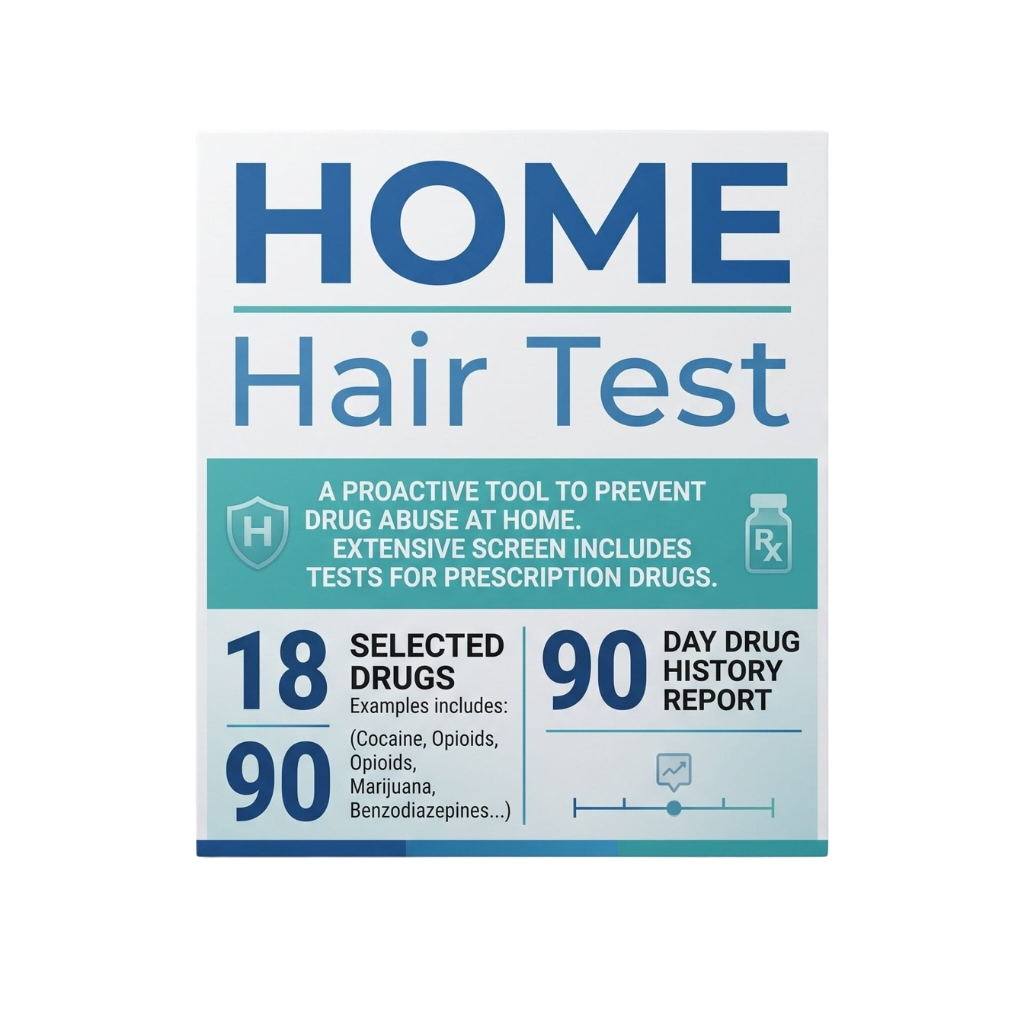
Before walking into any official hair test, self-check with an at-home hair follicle test kit. It’s the only way to know whether your prep worked before it counts for something. Testing at home costs you a few dollars and a day of waiting; testing blind at your probation appointment costs you a possible violation.
Be honest with yourself about limits here. No product or routine promises complete removal of every trace for every hair type and every use history. Coarse, thick, or chemically treated hair responds differently than fine, untreated hair, and someone with years of heavy daily use faces a tougher job than an occasional user. The method works by aggressively reducing residue bonded to the hair shaft, not by rewriting your biology, and results vary based on how consistently you follow the protocol and how much there is to remove in the first place.
Getting Ready for a Urine or Saliva Test the Safe Way
Urine and saliva tests reward preparation that looks completely normal to a collector, not preparation that looks like an attempt to beat the system. The safest moves are boring on purpose.
Start with self-testing. A 13-panel urine dip card or a 12-panel saliva screening tells you where you actually stand instead of leaving you to guess. If you’re on legitimately prescribed medication that could trigger a positive, gather your prescription documentation now, before test day, not after a result comes back non-negative.
Hydration needs a light touch. Drinking normally in the days before a test is fine. Chugging large amounts of water right before collection is the move that gets samples flagged. Labs check creatinine and specific gravity specifically to catch over-dilution, and a dilute result often triggers a mandatory retest under closer observation, sometimes treated close to a positive depending on the department’s policy. Normal fluid intake, spread through the day rather than dumped in one sitting beforehand, keeps your sample in a normal range without raising flags.
Day-of behavior matters more than people expect:
- Provide a full sample volume; a partial or insufficient sample can be logged as a refusal, which carries its own consequences separate from a positive result.
- Expect a temperature check within minutes of handing over the sample; this is standard procedure, not a sign you’re suspected of anything.
- Follow the collector’s instructions exactly, including handwashing and leaving personal items outside the collection area, since deviating from procedure invites closer scrutiny.
- For saliva collections, avoid eating, drinking, or using mouthwash in the window immediately before the test, since residue can interfere with the pen-style collection swab.
None of this replaces the fact that recent use will still show up. These steps just make sure you’re not creating extra problems, like a dilute flag or a refusal report, on top of whatever your actual results show.
What Happens After a Positive or Invalid Result
A non-negative screen isn’t the final word, but the clock starts moving fast once it happens. Understanding the sequence gives you room to protect yourself.
- Confirmatory testing kicks in automatically. Initial screens use immunoassay technology that can produce false positives from cross-reactivity with legal medications. Labs follow up with GC-MS or LC-MS/MS testing, which identifies the exact molecular structure of what’s in the sample and is treated as definitive by courts and probation departments alike.
- A Medical Review Officer (MRO) reviews the result. The MRO’s job is to check for legitimate medical explanations, prescriptions, or lab errors before the result gets reported as a true positive. This is the moment to have your prescription documentation ready, and to request an interview if one isn’t automatically offered.
- You can typically request split-sample retesting. Many collection protocols split the original specimen into two parts specifically so a disputed result can be independently reconfirmed at a different lab.
- Administrative consequences follow if the positive holds up. Depending on the jurisdiction and your specific terms, outcomes range from a warning and mandated treatment to a formal violation hearing, extended probation, or incarceration.
- Federal supervised release carries its own weight. Under 18 U.S.C. § 3565, courts can require testing shortly after release and treat multiple positive results within a set period as grounds for revocation, which underscores how much repeated failures compound.
If you’re facing a non-negative result, act fast: gather every prescription record you have, request the MRO interview in writing, ask for documentation of the chain of custody, and talk to your attorney or public defender before your next check-in. Passusa’s page on drug false positive screening walks through how to document legitimate medical explanations if that applies to your situation.
Your Pre-Test Checklist: 7 Days, 48 Hours, and Day-Of
Timing your prep matters as much as the prep itself. Here’s the breakdown by how close you are to the actual test.
Seven days out:
- Stop all use immediately, full stop.
- If a hair test is possible, start the Macujo-style wash sequence now; it needs repetition, not a single application.
- Buy an at-home test kit and check where you stand today, not the day before your appointment.
- Pull together any prescription documentation you might need for an MRO review.
48 hours out:
- Skip the urge to overhydrate; normal water intake is fine, chugging gallons is a flag waiting to happen.
- Keep your routine and activity level normal rather than making sudden changes that could look suspicious or alter your metabolism unpredictably.
- Retest at home one more time if you have a kit available.
Day of the test:
- Bring photo ID and any prescription paperwork.
- Provide a full sample volume on the first attempt.
- Follow every collector instruction precisely, and note the time if anything about the collection feels irregular.
Hair testing has one number worth repeating here: roughly 90 days of history per 1.5 inches of hair closest to the scalp. That’s why the seven-day window matters so much more for hair prep than for urine, since a week of washing works against three months of stored residue, not three days.
Why We Built This Around the Macujo Method
Passusa has worked with the Macujo Method for more than 20 years, which is long enough to have seen most of the trends and shortcuts come and go while the fundamentals of hair chemistry stayed the same. The company’s guidance is written by Detox Experts, a team focused specifically on the mechanics of drug testing, detection science, and hair-cleansing chemistry.
The product lineup maps directly onto the steps covered above. Aloe Rid shampoo and the Macujo sequence handle the hair-cleansing protocol. The at-home hair follicle test kit lets you verify your results before the real test. For urine and saliva situations, the 13-panel urine dip card and 12-panel saliva test serve the same self-checking purpose.
None of this is framed as a guarantee. Hair type, use history, and how closely someone follows the protocol all affect outcomes, and the available material makes clear that results vary, and what is offered is guided support rather than a one-size-fits-all product on a shelf, including consultation access for people who want a plan built around their specific situation instead of a generic instruction sheet.
The Uncomfortable Truth About “Passing” a Drug Test on Probation
The internet is full of confident advice about beating a drug test, and most of it is written by people who’ve never had to answer to a probation officer for a failed one. That distinction matters. Employment screens and probation screens are not the same risk category. An employer might just decline to hire you. A probation violation can mean a hearing, mandated treatment, or time behind bars.
That’s why abstinence isn’t a moralistic talking point here. It’s the only strategy with zero procedural risk attached to it. Everything else, from dilution to synthetic products to random internet remedies, carries some chance of making a bad situation worse by adding a tampering flag or a refusal report on top of whatever the underlying test would have shown.
Where a legitimate, non-time strategy exists, it’s in hair prep, because hair chemistry genuinely can be influenced through diligent, repeated cleansing in a way that urine dilution simply cannot fake past specimen validity testing. That’s a narrow, specific claim, not a blanket promise. Treat any source, including this one, that promises a guaranteed pass with real skepticism. The honest answer is always some combination of time, self-testing, and, for hair, consistent chemical prep. If you’re in a genuinely high-stakes situation, a private consultation with someone who does this for a living beats guessing your way through it.
— Detox Experts
Ready to Prep? Here’s Where to Start
Passusa’s advantage over generic detox advice online is simple: every product ties back to a specific, documented protocol instead of a vague promise, and support doesn’t end at checkout.
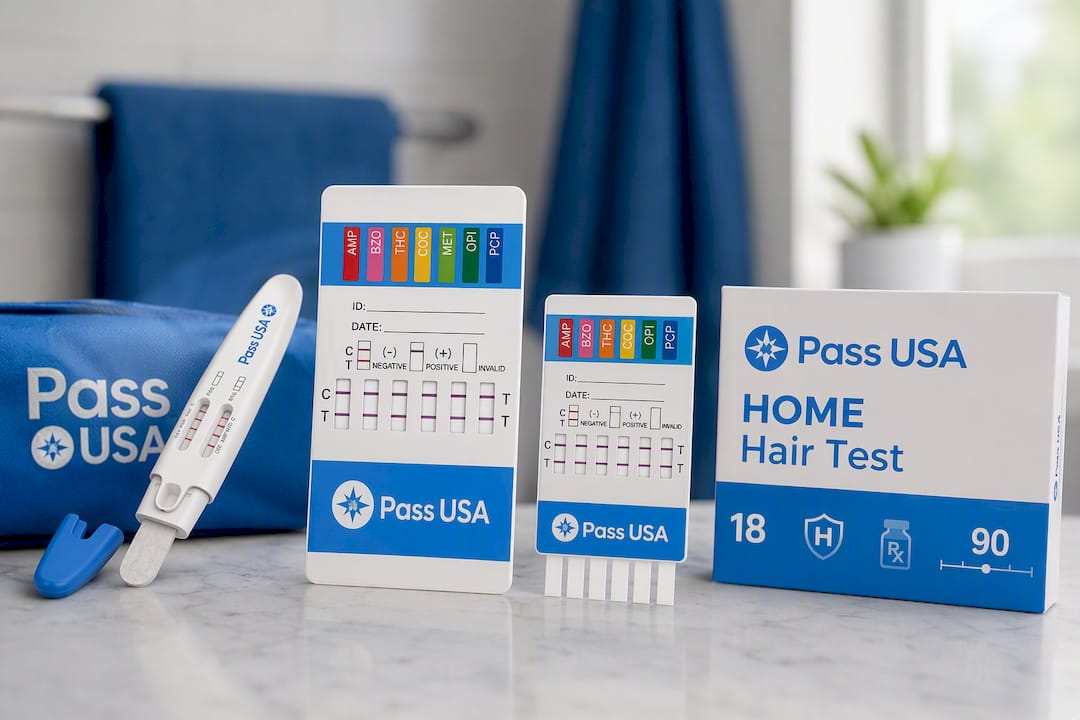
If a hair test is on the table, start with Aloe Rid and the Macujo Method and verify your progress with the at-home hair follicle test kit before your real appointment. Facing a urine screen instead? The 13-panel urine dip card tells you exactly where you stand. For oral fluid tests, the 12-panel saliva screening does the same job in minutes.
If your situation is complicated, a longer use history, a tight testing timeline, or a mix of substances, book a private consultation with Mike Macujo and get a plan built around your actual circumstances instead of a generic instruction sheet. Ongoing support is provided until customers pass, not just a single product and a goodbye email. Browse the full catalog of hair, urine, and saliva products to find the starting point that matches your test date.
Sources
This article draws on federal and clinical sources rather than forum speculation. Collection procedures and temperature checks come from SAMHSA’s Collection Site Manual. Specimen validity markers and biomarker complexity are detailed in SAMHSA’s urine biomarker validity paper. Lab assay validation standards come from NLCP validation guidance. Hair detection science is drawn from a peer-reviewed detection window study, and legal consequences reference 18 U.S.C. § 3565 directly.
- Collection Site Manual 2024 – Urine
- NLCP validation guidance for SVT and laboratory assays
- Peer-reviewed article on detection windows and drug testing
- 18 U.S.C. § 3565 (statutory authority on supervised release/probation testing)
FAQ
What Are the Cutoff Levels for Probation Drug Testing?
Cutoff levels vary by substance and by whether a sample is undergoing initial screening or confirmatory testing. Initial immunoassay screens for THC often use a cutoff around 50 ng/mL, while confirmatory GC-MS or LC-MS/MS testing can confirm positives at levels as low as roughly 15 ng/mL, meaning a sample can pass one stage and still fail the other.
What Can Happen If You Fail a Drug Test While on Probation?
Consequences range from a warning and mandated treatment to a formal violation hearing, extended probation, or incarceration, depending on your jurisdiction and terms. Under 18 U.S.C. § 3565, federal supervised release treats repeated positive results within a set period as potential grounds for revocation.
How Long Do I Need to Be Clean to Pass a Drug Test?
It depends entirely on the substance, your usage frequency, and the test type. Urine and saliva windows typically run from 24 hours to about a week for most drug classes, while hair testing reflects roughly 90 days of history per 1.5 inches of hair, so a short abstinence period does little for a hair test.
Which Drug Test Is Hardest to Pass?
Hair follicle testing is generally the hardest to influence quickly because it reflects months of history rather than days. That’s why Passusa focuses heavily on the Macujo Method using Aloe Rid shampoo, since abstinence alone doesn’t remove metabolites already bonded to the hair shaft.